
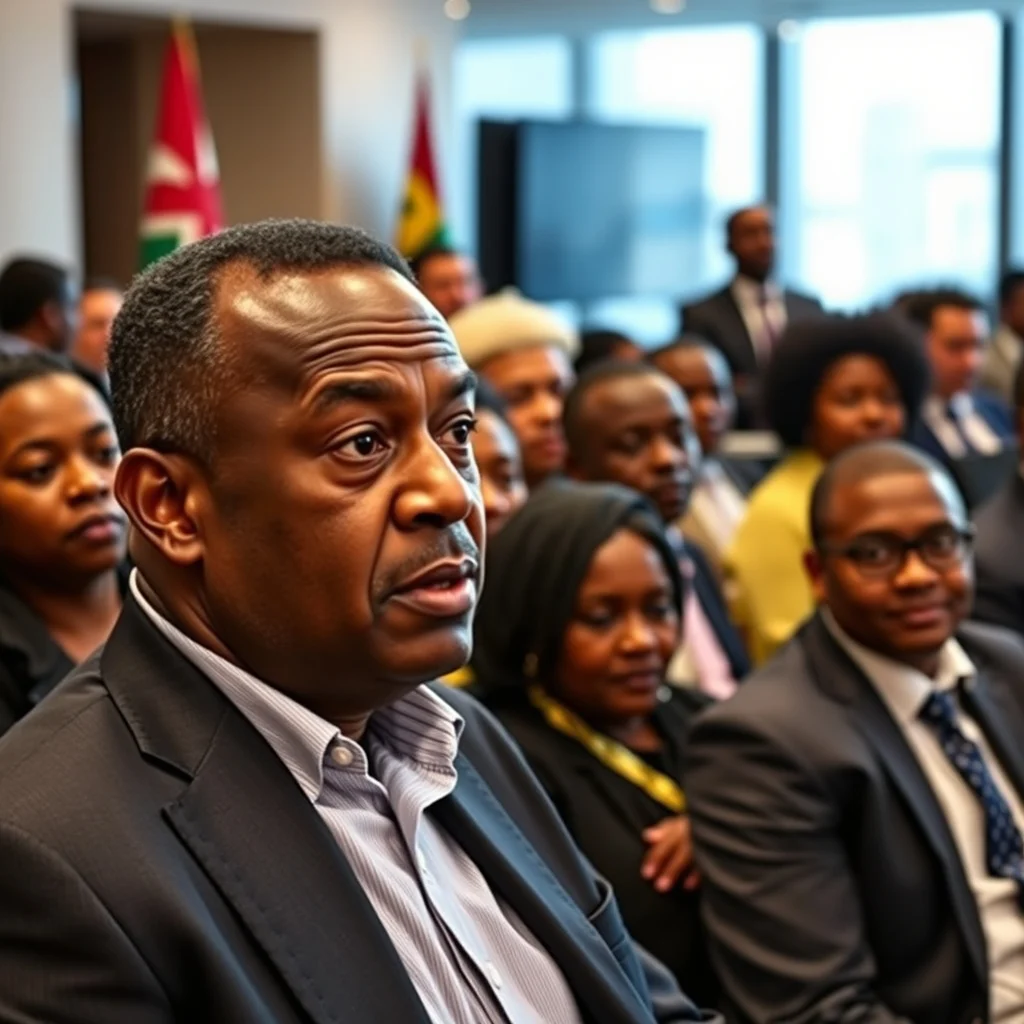
A UK-based Ghanaian national, Ade Sawyerr, implored President John Mahama on Sunday, May 31, during a town hall meeting in London, to curb the perceived social media ‘party culture’ among his ministers. Sawyerr urged the President to redirect his ministers’ focus towards engaging constituents, particularly during weekends, rather than participating in social events frequently showcased on platforms like TikTok.
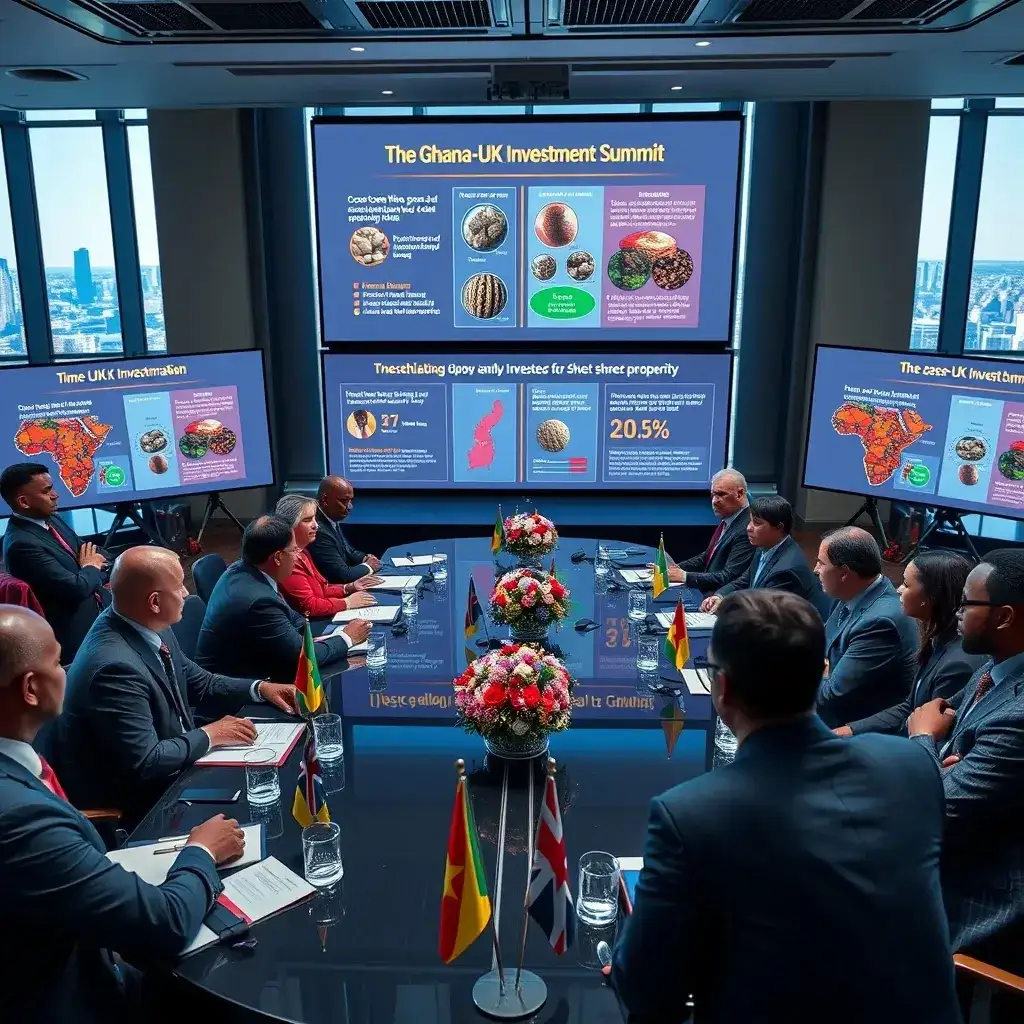
The town hall meeting, organized by the Ghana High Commission in London, provided a platform for diaspora members to interact directly with President Mahama and discuss national issues. Sawyerr’s remarks highlighted a disconnect between the government’s presented economic progress and public perception, emphasizing the critical role of optics in governance.
Context: Public Perception vs. Economic Metrics
During the engagement, government officials presented what they described as encouraging economic indicators for Ghana. However, Sawyerr voiced a common concern that the public’s perception of ministerial conduct does not align with these positive economic narratives.
He specifically pointed to the proliferation of social media content featuring ministers at social gatherings. This visual evidence, he argued, creates an impression of detachment from the pressing needs and daily realities of ordinary Ghanaians.
Concerns Over Constituent Engagement
Sawyerr stressed the importance of ministers dedicating their time, especially on weekends, to direct interaction with the people they represent. He suggested that these periods should be used for listening to constituent concerns and understanding their needs.
“Every weekend, we see on TikTok the ministers at parties instead of being with their constituents. They are talking to each other, blowing time. It does not look good, Mr President,” Sawyerr stated. He directly appealed to the President to instruct his ministers to prioritize such engagements.
Persistent National Challenges
As an example of an issue demanding more dedicated official attention, Sawyerr cited Accra’s recurring flooding problems. He highlighted that this perennial challenge in Ghana’s capital city remains unresolved, underscoring the need for tangible action and consistent engagement from public officials.
“Every year, there’s perennial flooding. We have not been able to solve that problem in the city of Accra, our main city,” he added, implying that a focus on social events detracts from addressing such critical infrastructure and public safety issues.
Diaspora Engagement Platform
Despite his criticisms, Sawyerr commended the Ghana High Commission in London for facilitating the town hall. He recognized the meeting as a valuable opportunity for the Ghanaian diaspora to directly engage with the President and contribute to discussions on national development.
Implications and Future Outlook
Sawyerr’s comments underscore a growing demand for accountability and visible commitment from public officials. The juxtaposition of positive economic data with negative public perception, fueled by social media optics, presents a challenge for the Mahama administration.
Moving forward, the administration may need to implement clearer guidelines or expectations for ministerial conduct regarding public appearances and constituent engagement. The effectiveness of government communication will likely depend not only on economic performance but also on demonstrating a tangible connection with the populace and a proactive approach to solving persistent national issues like urban flooding. The diaspora’s role as vocal observers and participants in national discourse is also likely to continue, providing both critique and support for governance initiatives.




Leave a Reply