
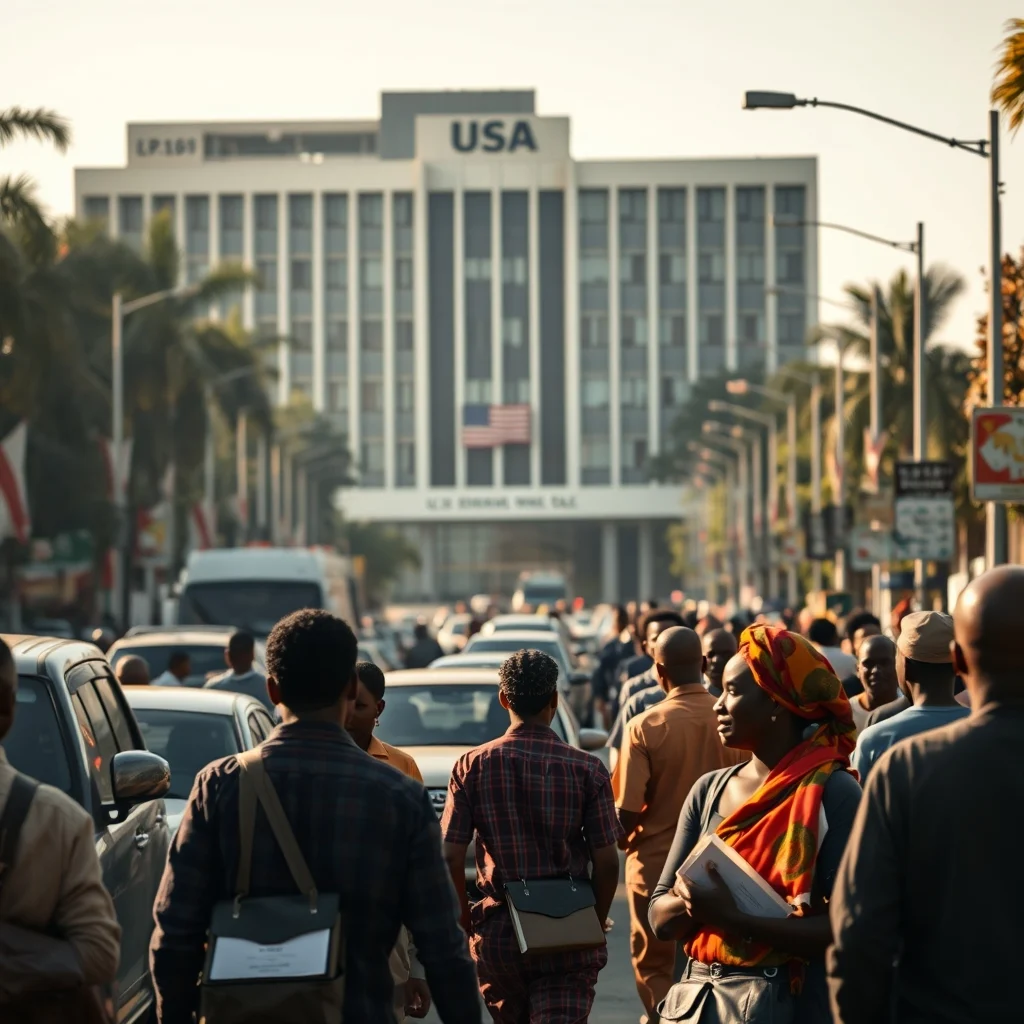
The United States plans a significant reduction in the number of its embassies and consulates in Africa capable of processing visa applications, a move expected to take effect in June. According to three U.S. officials and an internal memo obtained by The Associated Press, the number of processing sites will shrink from nearly 50 to just 20 designated “hubs.” This directive, approved by Secretary of State Marco Rubio, aims to streamline operations and is part of a broader administration effort to control immigration and prevent visa overstays.
Context of the Shift
This consolidation of visa processing services is not occurring in a vacuum. The U.S. has been implementing various measures to tighten immigration controls. These include previous travel bans affecting certain nations, the controversial requirement for some applicants to post substantial bonds up to $15,000, and recent operational challenges due to outbreaks like Ebola. The scaling back of personnel at diplomatic missions globally also sets the stage for such operational adjustments.
The State Department has stated that it “is constantly evaluating its overseas operations in order to deploy taxpayer resources in a way that advances America’s priorities as efficiently and effectively as possible.” The department also emphasized a commitment to maintaining “rigorous standards of security screening and vetting” and aligning resources with “America’s national interests.”
Impact on Applicants and Operations
The primary consequence of this policy shift is that citizens from countries designated as non-hub nations will be required to travel to one of the 20 approved visa processing hubs. This could present substantial logistical and financial hurdles for many applicants, potentially involving long-distance travel and associated costs. While consular sections in non-hub countries will remain open, their services will be limited.
These remaining consulates will continue to assist U.S. citizens with services like passport renewals and emergency consular requests. They will also handle special national interest cases and applications for diplomatic visas. However, the processing of standard immigrant and non-immigrant visas will be centralized in the designated hubs.
Designated Visa Processing Hubs
The 20 U.S. diplomatic missions designated as visa processing hubs across Africa are located in: Abidjan, Ivory Coast; Accra, Ghana; Addis Ababa, Ethiopia; Cape Town, South Africa; Dakar, Senegal; Dar-Es-Salaam, Tanzania; Djibouti, Djibouti; Johannesburg, South Africa; Kampala, Uganda; Kigali, Rwanda; Kinshasa, Congo; Lagos, Nigeria; Lome, Togo; Luanda, Angola; Malabo, Equatorial Guinea; Monrovia, Liberia; Nairobi, Kenya; Port Louis, Mauritius; Praia, Cape Verde; and Yaounde, Cameroon.
Broader Implications and Future Outlook
This strategic consolidation of visa processing centers signals a more stringent approach to managing the flow of individuals entering the United States from Africa. For potential travelers, it underscores the importance of understanding the new geographic requirements for visa applications and planning travel accordingly. The increased travel burden for those in non-hub countries could disproportionately affect individuals with fewer financial resources.
The move also raises questions about the long-term capacity and accessibility of U.S. visa services on the continent. As the U.S. prioritizes efficiency and security screening, the impact on diplomatic relations and people-to-people exchanges remains a key area to monitor. The effectiveness of this new model in achieving its stated goals, while mitigating potential negative consequences for applicants and regional diplomacy, will likely become clearer in the coming months.








Leave a Reply