
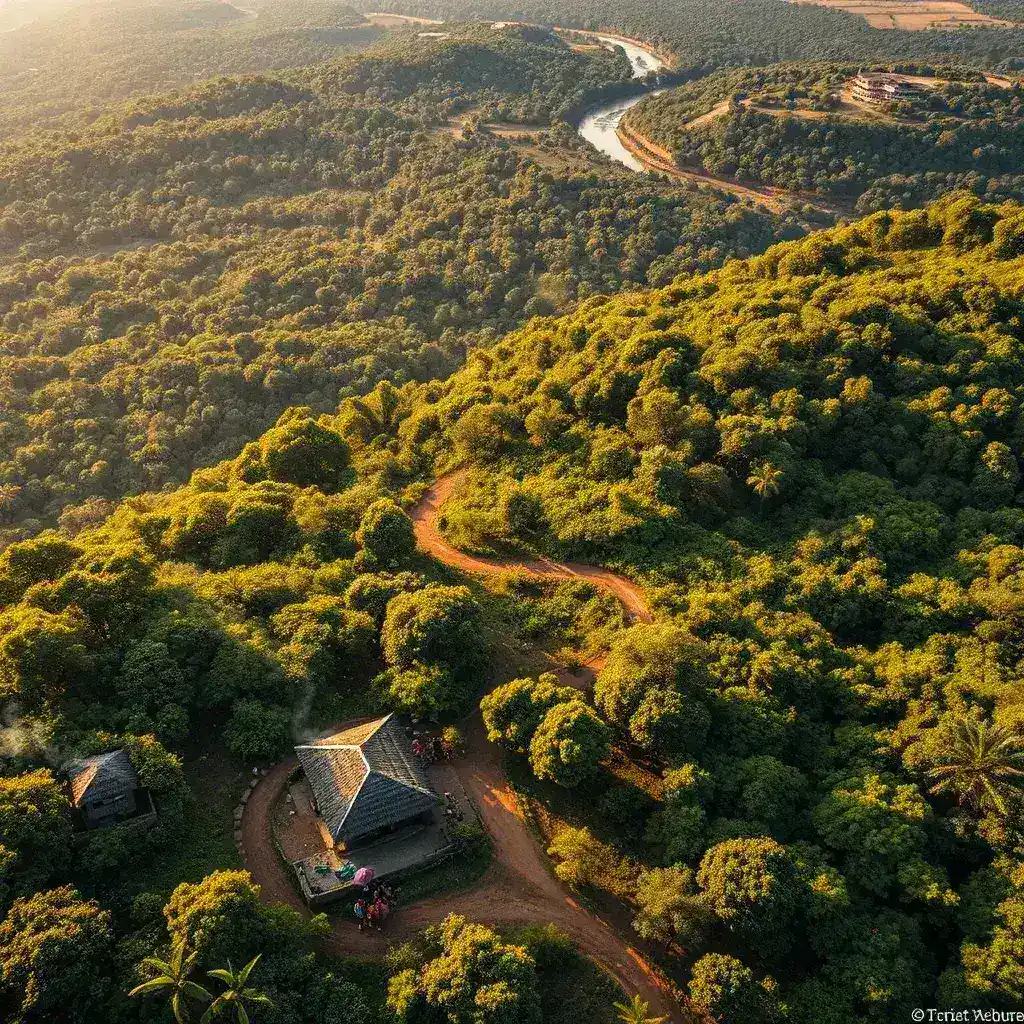
A new body of research commissioned by the African Forest Forum (AFF) reveals that Africa’s forests are increasingly recognized as crucial assets for economic growth, climate resilience, and rural development, despite facing significant threats from deforestation and climate change. The studies, supported by the Swedish International Development Cooperation Agency (Sida), highlight that forests are evolving from solely conservation priorities to vital drivers of job creation, enterprise development, food security, and environmental sustainability across 19 countries. This emerging understanding comes as African nations seek effective solutions for climate change, biodiversity loss, and rural poverty while accommodating a growing population.
“Africa’s forests are no longer just a conservation priority—they are an economic and climate solution,” stated Prof. Labode Popoola, Executive Secretary and CEO of AFF. He emphasized that with appropriate coordination and investment, these natural resources can foster inclusive growth and bolster resilience against climate change impacts.
Context: Forests as Economic Drivers
Africa’s forests and tree-based landscapes span approximately 624 million hectares, constituting nearly a quarter of the continent’s landmass. These vital ecosystems directly support over 245 million people, providing essential food, medicine, energy, and income. Beyond direct human benefit, they offer critical environmental services such as climate regulation and biodiversity conservation.
Many African nations have established robust policy frameworks for sustainable forest management, aligning with international and regional agreements like the Convention on Biological Diversity, the UNFCCC, the AU Sustainable Forest Management Framework, and the UNCCD. However, the research identifies a significant gap between policy ambition and on-the-ground implementation.
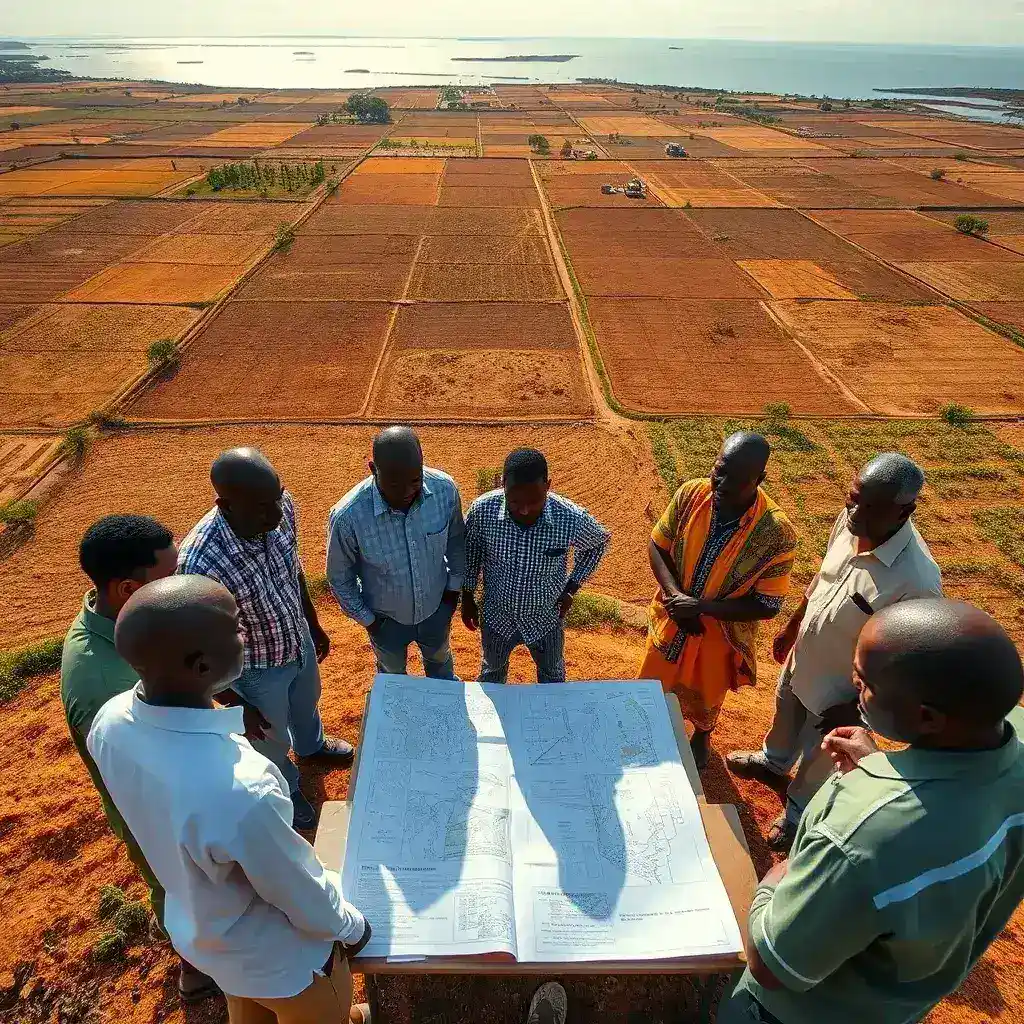
The primary obstacle identified is not a lack of policies but rather weak institutional coordination among various sectors, including forestry, agriculture, energy, and environment. Researchers stress that stronger coordination, enhanced technical capacity, and predictable financing are essential to translate policy commitments into tangible results.
Progress and Challenges Across the Continent
The studies indicate varied progress across different African countries. Kenya is noted for its strong alignment between biodiversity and climate policies, supported by legislation like the Forest Conservation and Management Act and the Climate Change Act. Ethiopia stands out for its ambitious climate goals, aiming for a 68.8 percent emissions reduction by 2030.
While Madagascar and Cameroon are strengthening their policy frameworks, they continue to grapple with substantial coordination and implementation challenges. This persistent gap between policy aspirations and practical delivery remains a major impediment to achieving sustainable forest management objectives.
Forest Economies Fueling Livelihoods
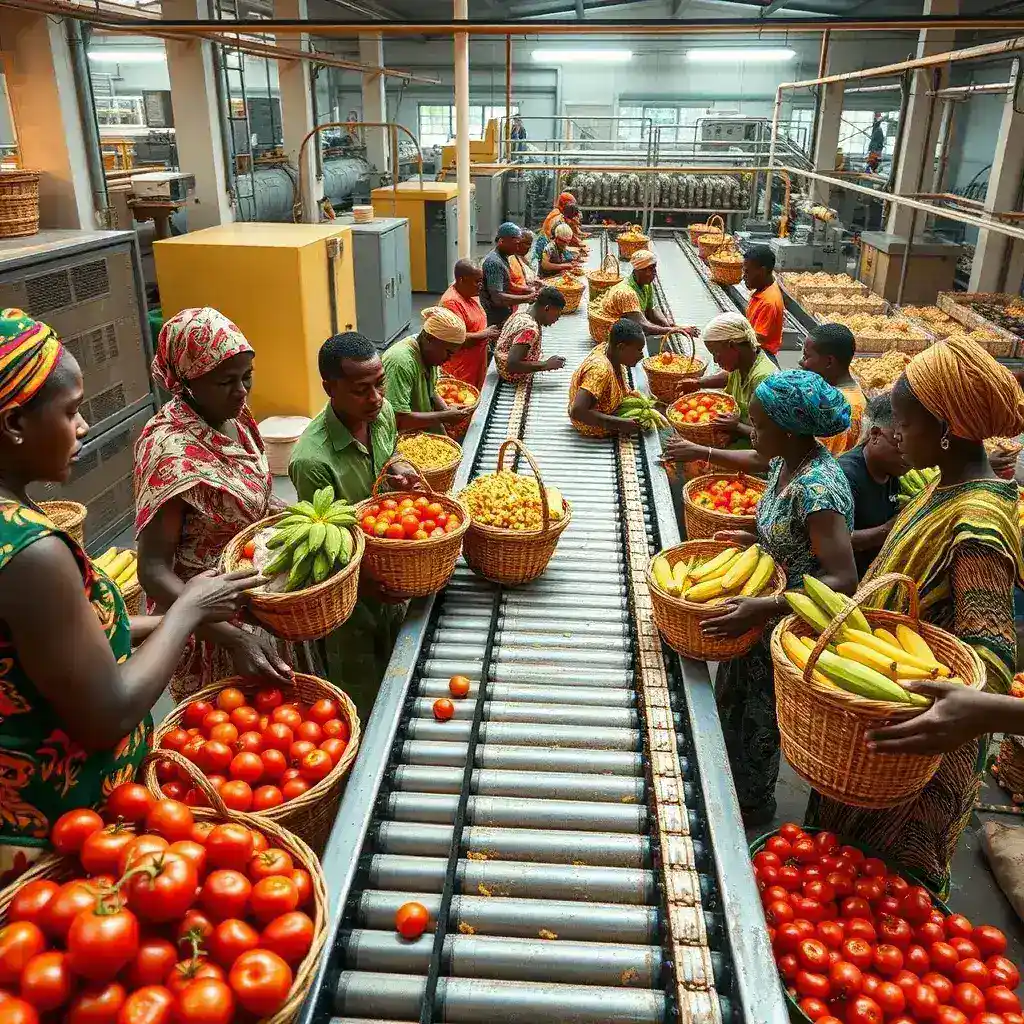
Despite implementation hurdles, forests continue to be a cornerstone of livelihoods across Africa. Activities related to timber, non-timber forest products, ecotourism, and ecosystem services are vital for rural incomes, particularly benefiting women and young people.
For instance, ecotourism in Uganda generates over 5,000 jobs and supports more than 500 enterprises. In Nigeria and Madagascar, forest products are a crucial income source for rural communities, though many of these activities remain informal, limiting value capture for local producers.
The distribution of benefits is often unequal. In Madagascar, harvesters of high-value biodiversity products may receive as little as one percent of the total value, with exporters capturing up to 90 percent. Conversely, community-based ecotourism models, such as those around Uganda’s Bwindi landscape, demonstrate more inclusive outcomes, with at least 20 percent of tourism revenue returned to surrounding communities.
The Enduring Value of Traditional Knowledge
Indigenous and traditional knowledge systems continue to play a significant role in forest management across West, East, and Southern Africa. Customary practices, including sacred forests, taboos, and pastoral governance systems, have historically aided communities in conserving natural resources.
However, these systems are increasingly marginalized as formal state institutions assume greater control over forest governance. The report underscores the ongoing value of traditional knowledge not only for conservation but also for ensuring food and nutrition security. In South Africa, over 115 wild edible plant species are integrated into local food systems, highlighting the deep connection between forests, culture, and livelihoods.
A key challenge lies in effectively integrating this indigenous knowledge into formal policy systems to strengthen conservation and resilience efforts.
Energy Demands Continue to Strain Forest Resources
Household energy use remains one of the most significant pressures on Africa’s forest resources, with 70 to 80 percent of households relying on biomass for energy. While essential, the inefficient use of biomass contributes to forest degradation and poses health risks, particularly for women.
Traditional cooking methods in Nigeria can result in energy losses of up to 70 percent, and conventional charcoal production in Togo operates at only about 11 percent efficiency. Growing interest in alternatives like improved cookstoves, briquettes, biogas systems, and agroforestry woodlots offers potential solutions to reduce forest pressure while ensuring energy access.
Emerging Opportunities and Persistent Barriers
Africa’s forest landscapes are undergoing a notable transition, driven by increasing demand for forest products and ecosystem services. This creates opportunities for value addition, enterprise development, and employment. Restoration programs, agroforestry, carbon markets, and green finance initiatives are expanding, supported by digital technologies enhancing transparency in forest value chains.
Despite these advancements, structural barriers persist. Institutional fragmentation, inadequate financing, and uneven technology adoption hinder progress. These challenges are exacerbated by inequalities in access to resources, markets, and decision-making processes, disproportionately affecting women, youth, and indigenous communities.
The Imperative for Coordinated Action
The research suggests that Africa possesses the necessary data, knowledge, solutions, and policy frameworks to transform its forest sector. The critical missing element is a stronger commitment and coordinated action from governments, institutions, communities, and investors.
According to AFF, the future trajectory of Africa’s forests hinges on the ability of countries to move beyond fragmented approaches and establish systems that fully recognize the ecological, social, and economic value of these landscapes. With enhanced coordination, targeted investment, and more inclusive governance, African forests have the potential to become powerful engines for sustainable development, economic growth, climate resilience, and biodiversity protection across the continent.







Leave a Reply