
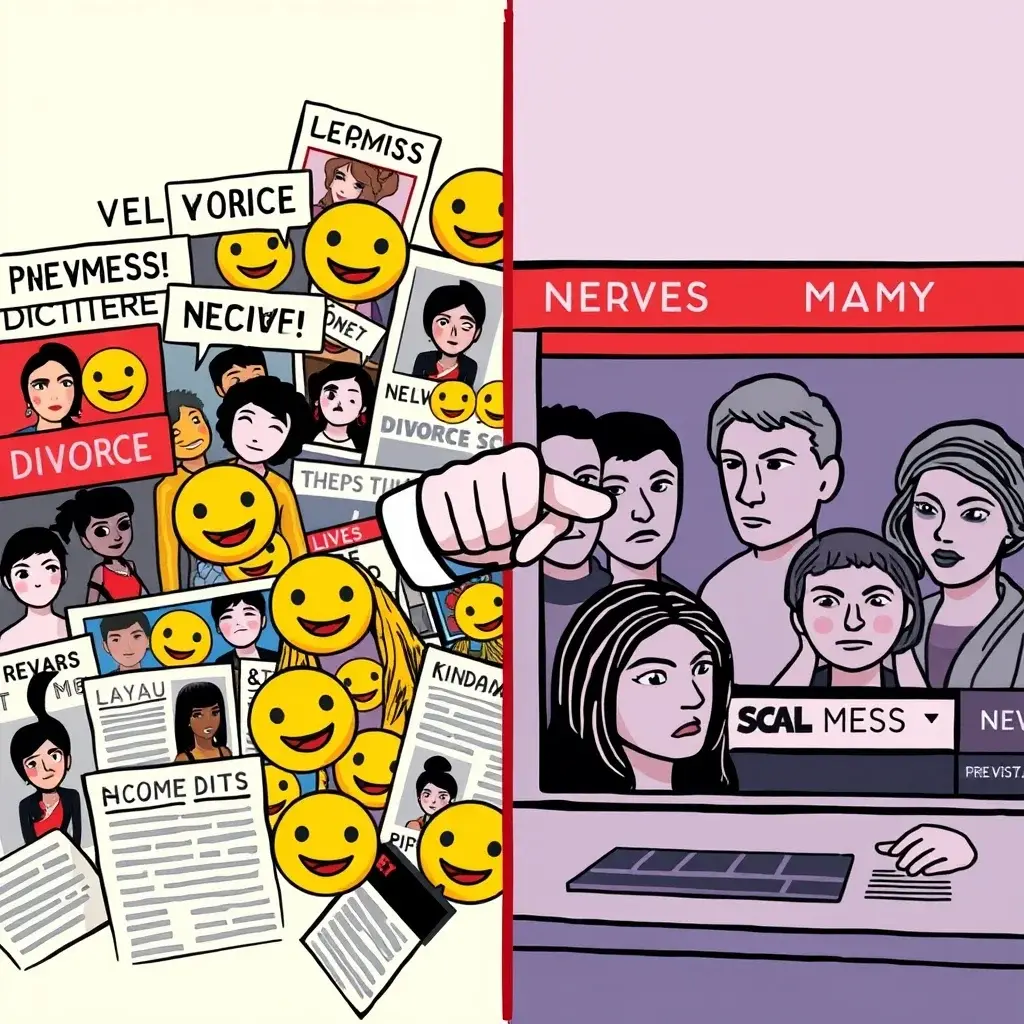
Nigerian entertainer Nasboi recently voiced strong criticism against online bloggers for prioritizing trivial celebrity gossip and sensational headlines over pressing societal issues, a sentiment he shared on Daybreak Hitz on Hitz FM. The musician, comedian, actor, and content creator questioned the editorial choices that amplify divorce stories and personal dramas while underreporting critical national concerns like kidnappings, sparking a significant online debate about the role of media in public discourse.
Context: The Digital Landscape and Content Prioritization
In today’s digital age, online news platforms and social media blogs play a crucial role in shaping public opinion and disseminating information. However, the economic pressures and the pursuit of clicks and engagement often lead to a focus on sensationalism. This trend is particularly evident in entertainment news, where celebrity relationships, breakups, and scandals frequently dominate headlines, drawing significant audience attention.
Nasboi’s critique highlights a broader concern about the balance between entertainment value and social responsibility in media. While entertainment blogs serve a purpose, their editorial decisions can inadvertently overshadow more serious issues that demand public awareness and action. The Nigerian context, facing various socio-economic challenges, makes this imbalance particularly poignant.
Nasboi’s Critique: A Call for Accountability
Nasboi articulated his frustration by drawing a stark contrast between the amplification of celebrity divorces and the often muted coverage of serious crimes like kidnapping. “How come you guys prioritize news that are so stupid, right? People are being kidnapped. You don’t amplify this news. Some of them post about it, but you don’t amplify it enough. But you’re the first person who is ready to amplify a divorce,” he stated during his interview.
He further questioned the motivations behind such content choices, suggesting that financial incentives might be at play. “Are you people being paid? Because if you’re not being paid, then use your blog wisely,” Nasboi urged, advocating for more thoughtful and impactful content curation. He pointed to international platforms like Shade Room, suggesting they often engage less with personal lives compared to local blogs.
The entertainer emphasized that while entertainment is a valid form of content, it should not come at the expense of addressing critical issues that affect society. This call for accountability extends beyond bloggers to the audience itself.
Audience Responsibility in Shaping Discourse
Nasboi stressed that consumers of online content also bear responsibility for the information ecosystem. He urged the public to be more discerning about the content they engage with, advising them to disengage from trivial or unproductive information. “We as a people, right? We need to disengage from stupid informations. Informations that will not do anything for us. We need to disengage from it,” he explained.
This perspective suggests that audience behavior, driven by engagement metrics, can inadvertently reinforce the trend towards sensationalism. When trivial content garners more clicks and shares, it incentivizes platforms to produce more of it, creating a feedback loop.
Expert Perspectives and Data
Research in media studies often points to the economic realities of online publishing, where click-through rates and advertising revenue are paramount. A 2022 study by Statista indicated that the digital advertising market continues to grow, with a significant portion driven by content that generates high engagement, often leaning towards sensationalism. This economic model can create a conflict between journalistic ethics and business imperatives.
Sociologists and media critics have also highlighted the potential negative societal impacts of this content imbalance. The constant barrage of trivial news can desensitize the public to more serious issues, hinder critical thinking, and contribute to a culture of distraction. This can have tangible consequences, as awareness and public pressure are often crucial for addressing societal problems.
Implications for the Industry and Readers
Nasboi’s comments resonate with a growing sentiment that online content creators and platforms need to adopt a more responsible approach. For bloggers and media houses, this means re-evaluating editorial strategies to ensure a balance between engaging content and coverage of significant societal issues. It could involve dedicating more resources to investigative journalism on critical matters and finding creative ways to present these stories to the public.
For readers, the implication is a call to action to be more conscious consumers of online content. By actively choosing to engage with and support content that is informative and socially relevant, audiences can influence the type of content that gets amplified. This shift in consumer behavior could gradually steer the digital landscape towards more meaningful discourse.
What to Watch Next
The conversation sparked by Nasboi’s critique is likely to continue, potentially influencing how content creators and platforms operate. It remains to be seen whether this call for greater accountability will lead to a tangible shift in content prioritization within the Nigerian blogosphere and beyond. The ongoing debate highlights the critical need for a media ecosystem that not only entertains but also informs and engages with the substantive issues facing society, prompting a look at how platforms adapt to audience demands for both entertainment and substance.










Leave a Reply