
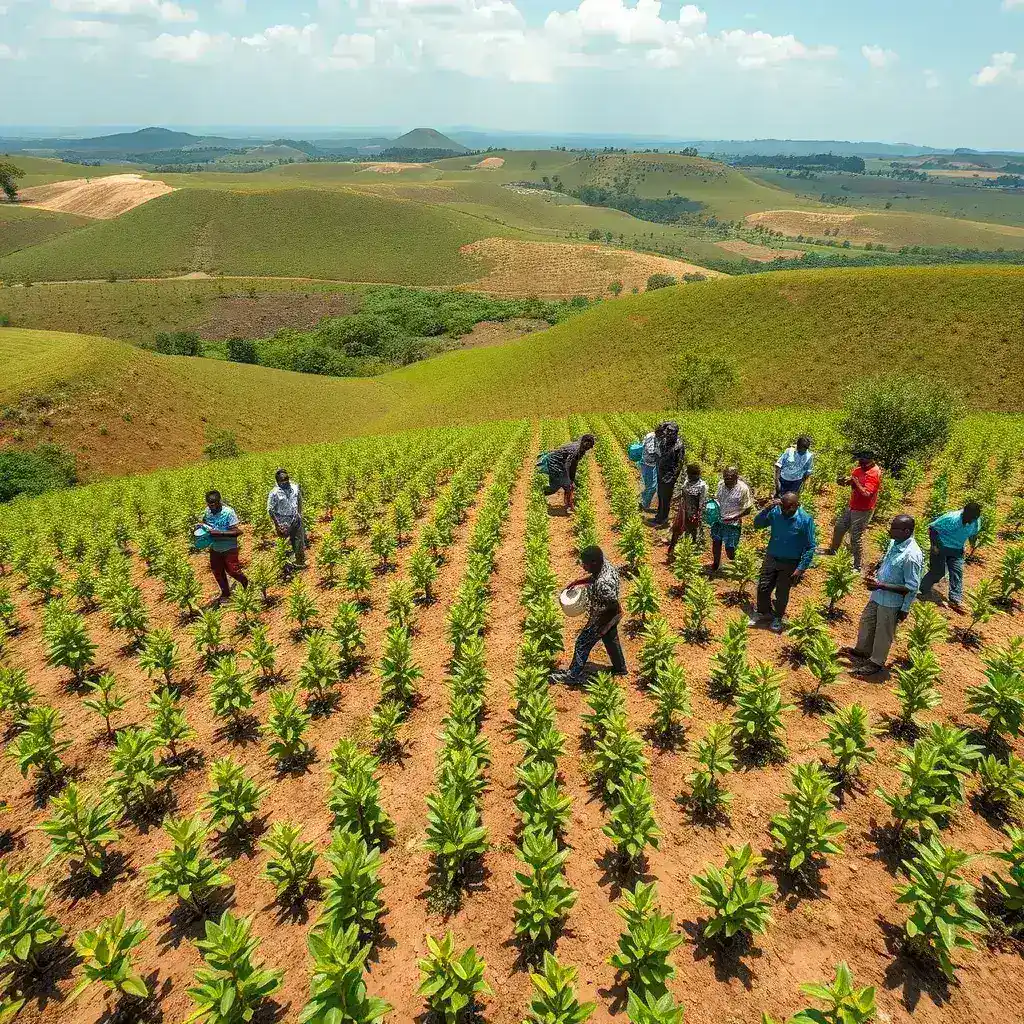
Ghana has successfully exceeded its reforestation target by planting 31 million trees through the government’s Tree for Life initiative, according to Paa Kwasi Schandorf, Media Relations Officer for the Minister of Lands and Natural Resources. The announcement was made on Monday, June 1, during an interview on JoyNews’ AM Show, highlighting a significant achievement in the nation’s environmental restoration efforts.
Context of the Initiative
The Tree for Life Reforestation Initiative is a key component of the Ministry of Lands and Natural Resources’ comprehensive strategy to combat environmental degradation. This broader strategy specifically targets the damage caused by illegal mining operations, often referred to as ‘galamsey,’ and other land-depleting activities that have severely impacted Ghana’s natural landscape.
Mr. Schandorf emphasized that the reforestation effort is intrinsically linked to the fight against illegal mining. “If you diagnose and examine the totality of the ministry’s efforts to fight illegal mining, for example, you would realise that we have a portion that is committed to restoration of the polluted water bodies and then the lands that have been lost,” he stated.
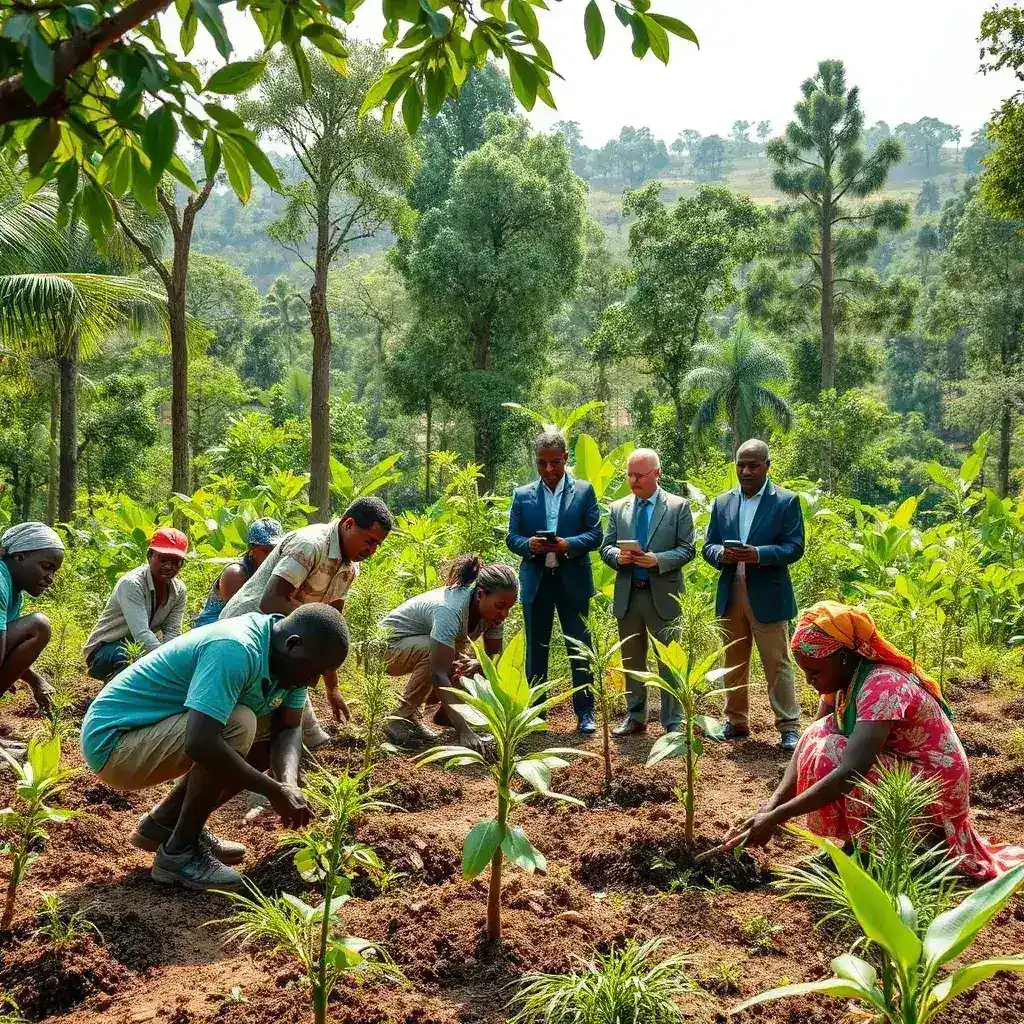
The initiative was officially launched last year by President John Dramani Mahama with the primary objective of restoring lost vegetation and rehabilitating degraded lands across the country. The first phase of the project focused on these crucial recovery efforts.
Exceeding Expectations
The government had set an ambitious initial target of planting 30 million trees for the first phase of the Tree for Life initiative. However, through the concerted efforts of the Ministry and its associated agencies, the actual number of trees planted reached 31 million, surpassing the set goal by one million trees.
This success demonstrates a strong commitment and effective execution of the reforestation plan, indicating a positive response to the environmental challenges facing Ghana.
Looking Ahead: Phase Two
Building on this momentum, the Ministry is now moving into the second phase of the Tree for Life initiative. The goal for this next phase remains focused on restoring the nation’s vegetative cover and continuing the rehabilitation of lands affected by various forms of degradation.
“This year, we are moving into the second phase,” the Minister announced. “Essentially, it is about planting trees for us to be able to recover what we have lost in terms of vegetative cover. We hope to plant another 30 million trees as we continue to restore forest reserves and lands affected by illegal mining and other degrading activities.”
Broader Implications
The success of the Tree for Life initiative carries significant implications for Ghana’s environmental health and economic sustainability. Increased forest cover is crucial for combating climate change, preventing soil erosion, protecting water sources, and preserving biodiversity.
Furthermore, successful land rehabilitation can open avenues for sustainable land use, potentially boosting agricultural productivity and creating green jobs. The government’s commitment to restoration signals a proactive approach to environmental stewardship, crucial for long-term national development.
What to Watch Next
As Ghana embarks on the second phase of the Tree for Life initiative, attention will be on the continued progress and the specific strategies employed to achieve the target of another 30 million trees. Observers will also monitor the long-term impact of these reforestation efforts on combating illegal mining and other environmental threats. The effectiveness of community engagement and the sustainability of the planted trees will be key indicators of the initiative’s ultimate success.







Leave a Reply