
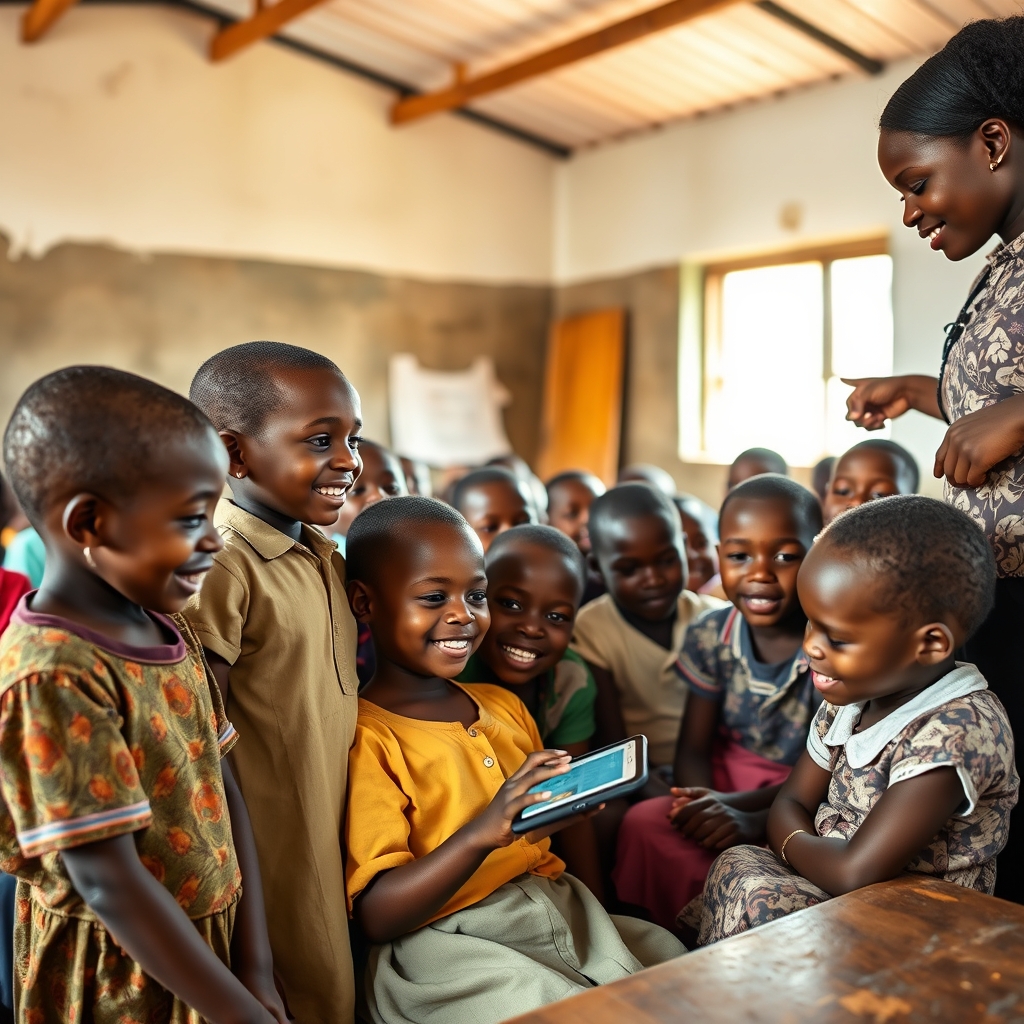
The Ghana National Education Campaign Coalition (GNECC) officially launched the 2026 Global Action Week for Education (GAWE) on Tuesday at the Bechem School for the Deaf and Blind. The campaign aims to address the urgent need for digital equity in classrooms across Ghana, with a focus on bridging the digital divide for national growth through inclusive education.
Context: The Growing Digital Divide in Education
The launch highlighted a stark reality for learners in Sub-Saharan Africa. While mobile network coverage is expanding, access to meaningful digital tools and reliable internet remains a significant barrier for many students.
GNECC presented data indicating that 90% of students in Sub-Saharan Africa lack access to household computers, and 82% face challenges with reliable internet access. This disparity is particularly pronounced in Ghana, where a significant gap exists between urban and rural educational institutions.
The coalition emphasized that this digital divide disproportionately affects girls and learners with disabilities, exacerbating existing educational inequalities.
Bridging the Gap: GNECC’s 2026 Campaign Objectives
The theme for the 2026 GAWE, “Addressing the Digital Divide Gap for National Growth through Inclusive Education,” underscores the coalition’s commitment to digital inclusion. GNECC views digital skills as essential for workforce readiness and economic competitiveness, citing research from the World Bank.
Amina Ibrahim, National Treasurer of GNECC, described the week as a vital platform to advocate for improved infrastructure and inclusive Information Communication Technology (ICT) policies. The goal is to ensure that digital advancements benefit all learners, not just a privileged few.
Ibrahim Yusif, Ahafo Regional Coordinator for GNECC, detailed the campaign’s primary objectives. These include advocating for the provision of essential tools and reliable internet connectivity in underserved rural schools. He also stressed the importance of developing digital transformation policies that specifically cater to the needs of marginalized communities and learners with disabilities.
Furthermore, GNECC aims to increase public awareness regarding the role of digital literacy as a key driver for national development and economic progress.
Government and Stakeholder Support
Abraham Fletcher, Ahafo Regional Director of Education, echoed the importance of inclusivity across all educational levels, from basic schools to tertiary institutions. He affirmed the government’s dedication to equipping teachers nationwide with necessary ICT tools and fostering digital literacy among educators.
The government’s efforts are geared towards enhancing modern teaching and learning outcomes through digital integration. This involves ensuring that educators are proficient in using technology to support their students’ academic journey.
Global Action Week for Education: A Movement for Accountability
The Global Action Week for Education is an annual global advocacy movement. In Ghana, GNECC leads this initiative, mobilizing civil society organizations, teachers, and learners to hold the government accountable for achieving Sustainable Development Goal 4 (SDG 4).
SDG 4 calls for ensuring inclusive and equitable quality education for all by 2030. The 2026 campaign emphasizes that digital literacy is not a luxury but a fundamental right necessary for achieving this goal.
Looking Ahead: Policy Shifts and Digital Inclusion
As the 2026 Global Action Week for Education unfolds, GNECC plans to intensify its advocacy for policy changes. The coalition seeks to ensure that SDG 4 becomes a tangible reality for every child in Ghana, regardless of their geographical location or personal circumstances. The focus remains on tangible actions to bridge the digital divide and foster a more equitable educational landscape.







Leave a Reply