
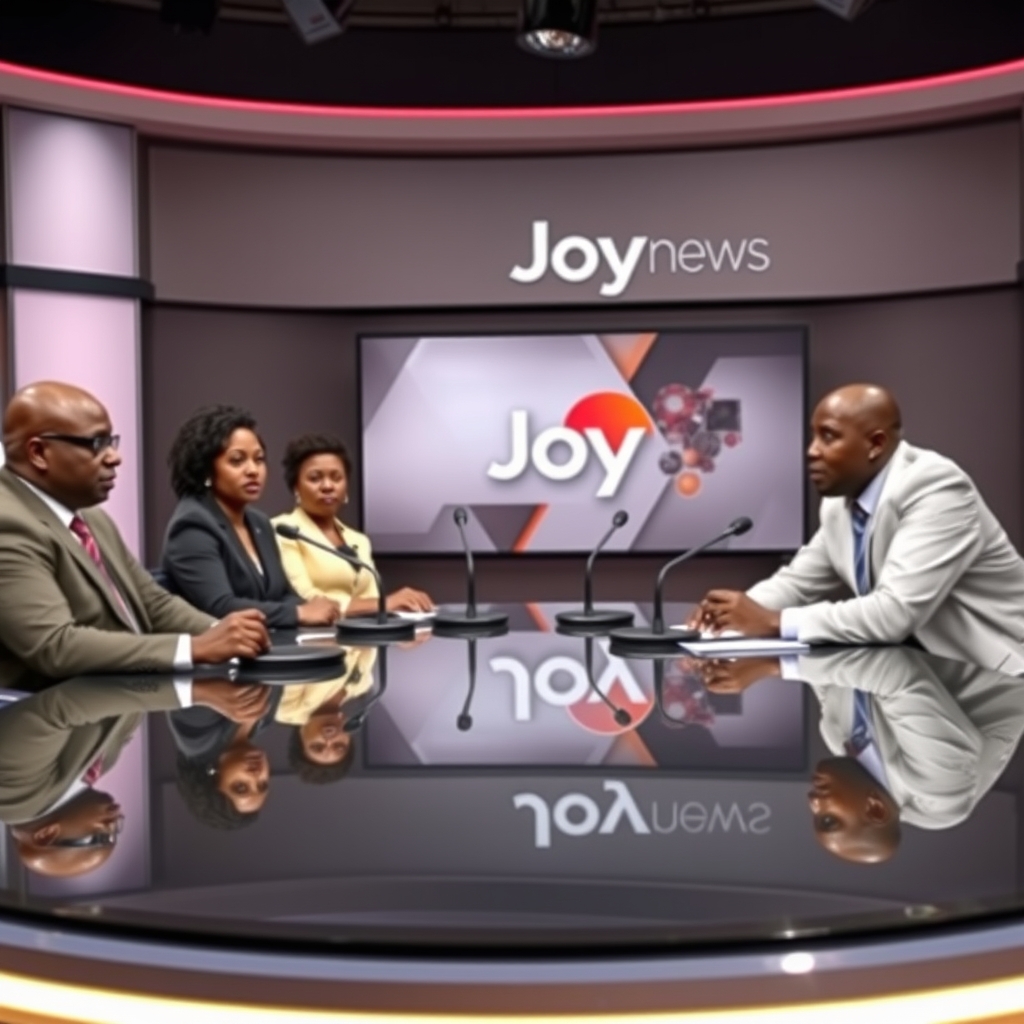
Accra, Ghana – Tomorrow at 9:00 a.m., policymakers, economists, and private sector leaders will convene at the JoyNews studio for a critical examination of Ghana’s economic performance over the past 16 months. The JoyBusiness Roundtable Discussion, themed “Mahama at 16 Months: Do Economic Narratives Match Real-Sector Outcomes?”, aims to scrutinize whether reported macroeconomic gains are translating into tangible benefits for businesses and citizens.
Context: The Economic Landscape
Ghana’s economy has been navigating a complex global and domestic environment. Recent years have seen efforts to stabilize inflation, manage debt, and attract investment. Government pronouncements often highlight progress in certain macroeconomic indicators, such as a reduction in inflation rates and improvements in fiscal deficits.
However, anecdotal evidence and private sector feedback frequently suggest a disconnect between these headline figures and the daily realities faced by businesses and households. Challenges such as high operational costs, currency fluctuations, and limited access to affordable credit persist, impacting job creation and overall economic growth.
The Roundtable Discussion: A Multifaceted Assessment
The upcoming roundtable promises a comprehensive analysis by bringing together a diverse panel of experts, each offering a unique perspective. Frederick Amissah, Technical Advisor at the Ministry of Finance, will represent the government’s viewpoint, detailing policy initiatives and economic management strategies.
Representing the voice of businesses, Mark Badu-Aboagye, CEO of the Ghana National Chamber of Commerce and Industry, will focus on the cost of doing business, confidence levels, and whether current economic conditions are conducive to enterprise growth.
Economist Prof. Agyapomaa Gyeke-Dako is expected to provide an independent, data-driven assessment, evaluating the sustainability, inclusivity, and quality of Ghana’s economic growth trajectory.
The concerns of small and medium-sized enterprises (SMEs) and traders will be articulated by Joseph Paddy, Vice President of the Ghana Union of Traders Association. His input will likely cover the impact of currency volatility, taxation, and rising costs on their operations.
Examining the investment and corporate finance landscape, Yaw Appiah Lartey, Partner at Deloitte Ghana, will discuss capital flows, infrastructure financing needs, and the policy environment influencing private sector expansion.
Joe Jackson, CEO of Dalex Finance, will bridge policy assumptions with market realities, interrogating fiscal discipline, debt sustainability, and the performance of the financial sector.
Bridging the Gap: Policy vs. Reality
The organizers emphasize that the discussion is not intended to dispute reported economic gains but rather to assess their effectiveness in generating jobs, fostering business expansion, and improving living standards. The core objective is to understand how macroeconomic stability, if achieved, translates into real-sector outcomes that benefit the broader population.
With differing interpretations of Ghana’s economic direction, the roundtable aims to provide clarity on which areas are improving, which are lagging, and the underlying reasons for these trends. This evidence-driven examination is crucial for informed policy-making and public understanding.
The discussion will be broadcast live on JoyNews TV and Joy FM, offering audiences direct access to this important economic dialogue.








Leave a Reply