
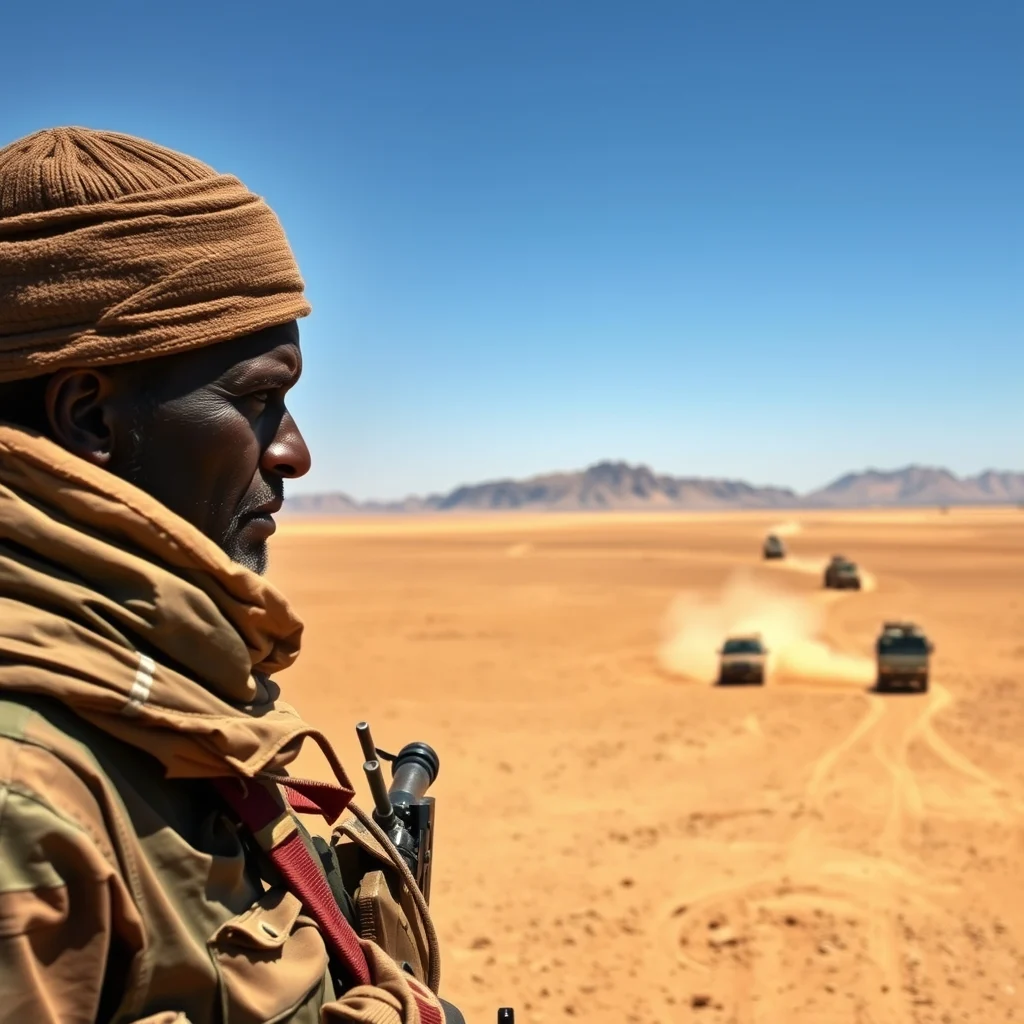
Mali’s government announced on Thursday it is offering substantial financial rewards totaling 2 billion CFA francs ($3.55 million) for information leading to the capture of suspected militants, including the leader of an al-Qaeda-linked group. The move comes in response to a series of deadly attacks, most recently in April, which claimed the life of the defense minister and injured other officials, escalating conflict in the nation’s northern desert regions.
Escalating Insecurity Prompts Government Action
The significant bounty is specifically targeted at Iyad Ag Ghaly, the influential leader of Jamaat Nusrat al-Islam wal Muslimeen (JNIM), an affiliate of al-Qaeda operating in the Sahel. Smaller rewards have also been designated for several other high-profile figures, including Tuareg separatist leader Alghabass Ag Intalla. The government’s order was officially signed in the capital city of Bamako.
Background of Persistent Conflict
Mali has been grappling with a complex and evolving security crisis since 2012. Initially, the instability stemmed from a Tuareg rebellion in the north, which was later co-opted by jihadist groups, including JNIM. These groups have since expanded their operations, not only in Mali but also across the wider Sahel region, engaging in violence against civilians and security forces.
The April attacks, which critically endangered government officials, underscore the persistent threat posed by these armed organizations. The ensuing fighting in the vast northern desert territories has raised concerns about the potential for these groups to consolidate their influence and territorial control.
JNIM and its Leadership
Jamaat Nusrat al-Islam wal Muslimeen (JNIM) emerged in 2017 as a merger of several jihadist groups, including those led by Iyad Ag Ghaly. The group has been designated as a terrorist organization by various international bodies. Ghaly, a prominent figure in northern Mali for decades, is considered a key architect of the growing extremist presence in the region.
Alghabass Ag Intalla, another individual targeted by the rewards, is a significant figure within the Tuareg separatist movement, adding another layer of complexity to the security landscape. His inclusion suggests a government effort to address multiple facets of the insurgency.
International and Regional Implications
The ongoing conflict in Mali has significant regional and international ramifications. The Sahel region has become a hotbed for extremist activity, with spillover effects impacting neighboring countries like Burkina Faso and Niger. International forces, including those from France and the United Nations, have been involved in counter-terrorism efforts in Mali, though with mixed results.
The Malian government’s decision to offer substantial rewards reflects a strategic shift, potentially aiming to disrupt the leadership of these groups and gather crucial intelligence. This approach, while costly, could offer a more direct way to neutralize key figures if successful.
Challenges and Potential Outcomes
The effectiveness of such reward programs in combating deeply entrenched militant groups remains a subject of debate. Intelligence gathering in remote and often lawless northern Mali is fraught with challenges. Furthermore, the vast sums offered could potentially incentivize misinformation or opportunistic reporting.
However, the initiative could also empower local communities to provide vital information, fostering a sense of participation in national security efforts. The success of this strategy will depend on the government’s ability to effectively disseminate the information about the rewards and ensure the safety of informants.
Looking Ahead
The coming months will be crucial in determining the impact of Mali’s reward initiative. Observers will be watching closely to see if the offered incentives lead to actionable intelligence that can disrupt the operations of JNIM and other militant factions. The government’s ability to secure cooperation from local populations and effectively utilize any information gathered will be key to its success in enhancing security across the nation’s volatile northern regions.






Leave a Reply