
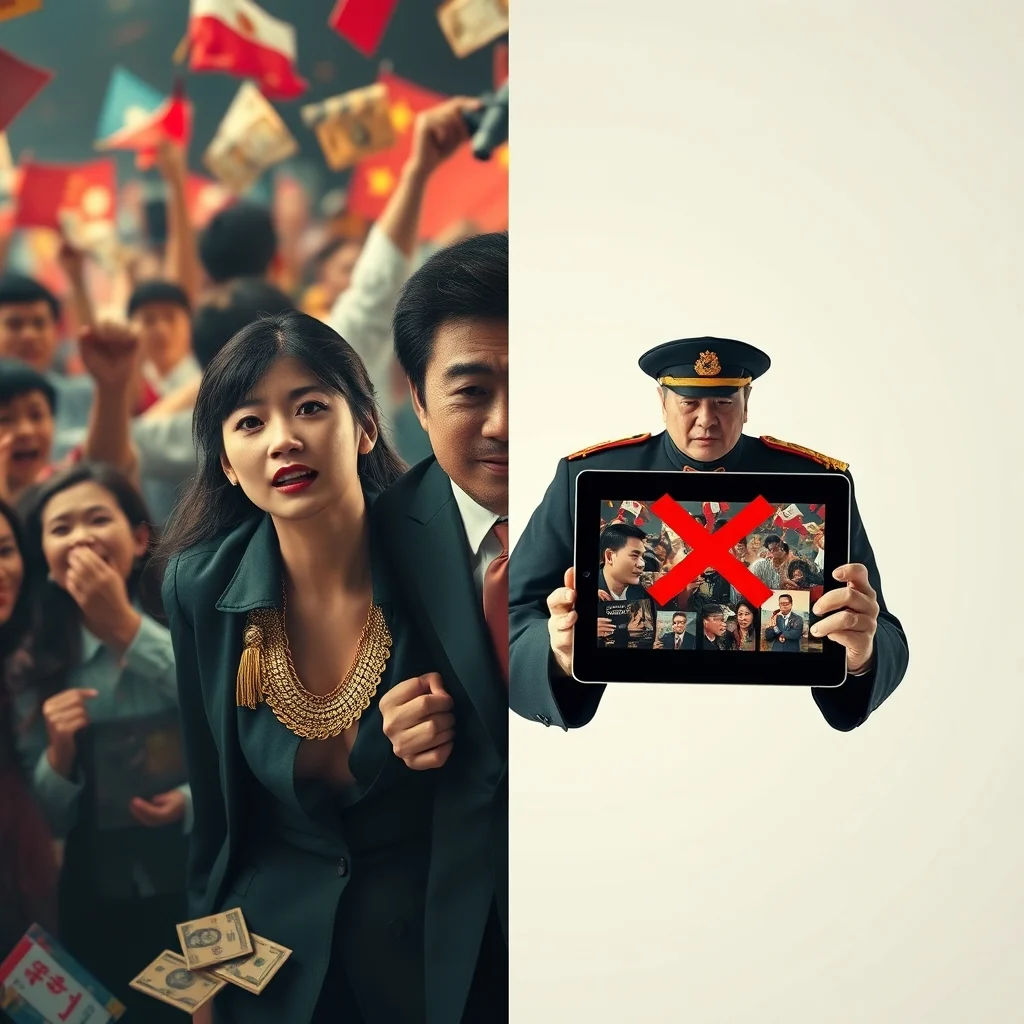
China’s National Radio and Television Administration has initiated a two-month nationwide campaign to purge violent, misogynistic, and excessively materialistic content from the booming micro-drama industry. The crackdown, which began recently, aims to foster a “clean and healthy” environment for these short-form, mobile-first serials by targeting specific problematic themes.
Regulating the Micro-Drama Boom
The campaign targets eight categories of objectionable content. These include soft pornography, what authorities deem “distorted views on marriage and relationships,” and “ostentatious displays of wealth.” Additionally, “feudalistic themes, violent revenge content, vulgar titles, and copyright infringement” are also under scrutiny.
Provincial authorities are now tasked with inspecting the output of local micro-drama production firms. These companies will be required to promptly address any identified issues. The national administration will also conduct its own inspections and use the findings to refine future regulations.
Understanding Micro Dramas
Micro dramas are serialized video clips, typically lasting only a few minutes per episode, designed for consumption on mobile devices. In recent years, they have experienced a meteoric rise in popularity, not only within China but also internationally, attracting significant audiences across Asia and Africa.
Their success is often attributed to fast-paced, sensationalist storylines. Common tropes include secret billionaire protagonists, forbidden love affairs, and dramatic plot twists engineered to hook viewers and encourage binge-watching. However, this rapid growth has also been accompanied by criticism regarding the prevalence of explicit content and extreme violence.
Broader Context of Content Regulation
This initiative is not the first time Chinese authorities have sought to regulate online content. In early 2025, a separate two-month campaign targeted online narratives perceived to promote “pessimistic sentiments.” That crackdown focused on content that suggested studying and hard work were “useless” or promoted “world-weariness.” The stated goal of that campaign was to cultivate a more “civilized and rational online environment.”
These regulatory efforts occur against a backdrop of economic challenges in China, including youth unemployment and intense job market competition. Such societal pressures may contribute to anxieties that authorities aim to mitigate through content control.
Industry and Global Impact
The micro-drama industry has evolved into a multi-billion-dollar sector for China. Its global appeal has prompted investments from international players, with producers in countries like South Korea and the United States establishing their own micro-drama studios to capitalize on the trend.
The current crackdown signifies a move by the Chinese government to exert greater control over the narrative and thematic content within this rapidly expanding digital entertainment sphere. The focus on “healthy content ecosystems” suggests a desire to align digital media with broader societal values and governmental objectives.
Implications and Future Watch
The success of this campaign could lead to a significant shift in the type of micro dramas produced and distributed, potentially impacting content creators, platforms, and international investors. Viewers may see a reduction in sensational and explicit material, replaced by content that adheres more closely to the regulatory guidelines. It remains to be seen how effectively these regulations will be enforced and whether they will stifle the creative innovation that has fueled the micro-drama phenomenon, or if they will usher in a more sanitized, yet potentially less engaging, era for short-form video content. The administration’s commitment to improving regulations based on campaign findings indicates an ongoing effort to shape the digital landscape.










Leave a Reply