
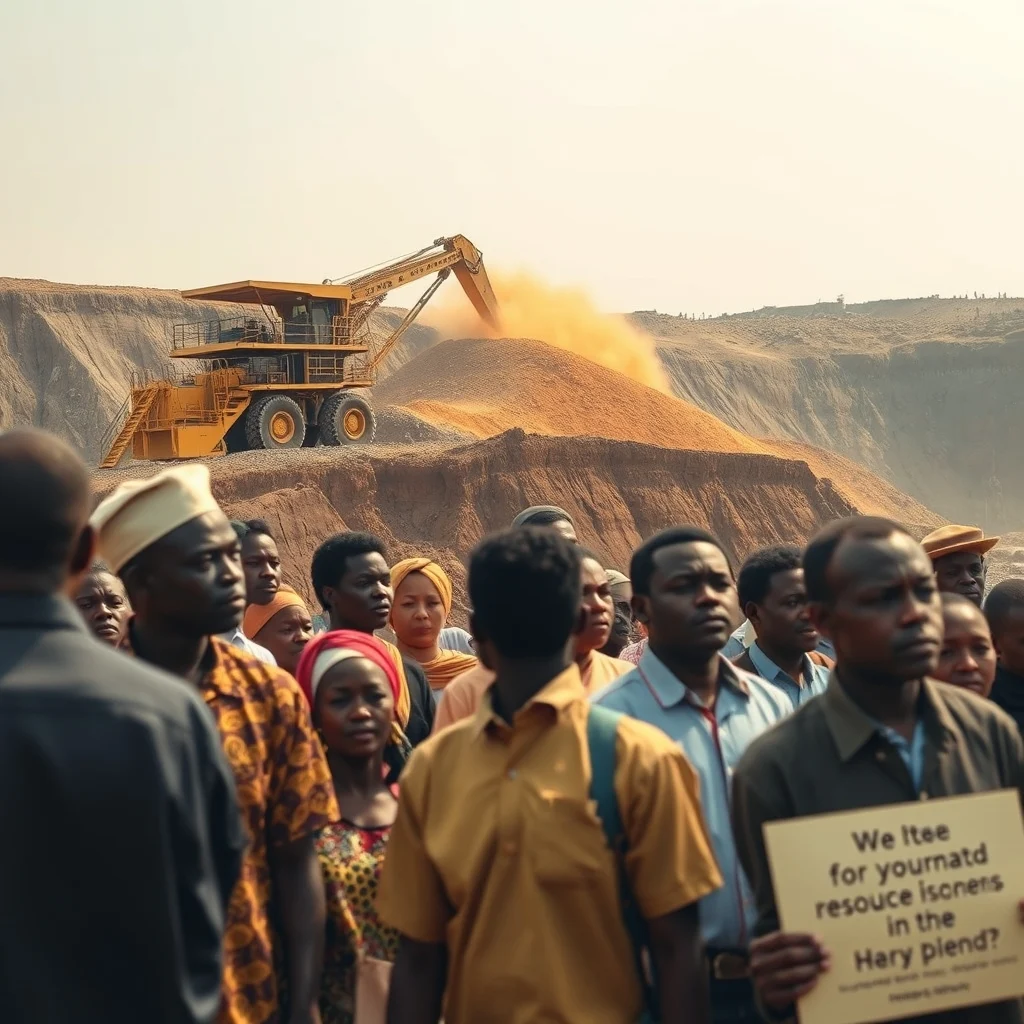
Accra, Ghana – A growing public sentiment that Ghana is not adequately benefiting from its vast natural resources is fueling intense scrutiny over the renewal of Gold Fields’ mining lease in Tarkwa. Policy analyst and extractive governance expert Dr. Steve Manteaw highlighted this burgeoning national conversation on ownership, value retention, and Ghana’s role in its own mineral wealth exploitation during a Joy News PM Express interview on Wednesday.
Broader National Conversation Ignited
The current controversy surrounding the Gold Fields lease renewal has transcended typical discussions about mining agreements. Dr. Manteaw explained that it has become a focal point for a deeper national debate about how Ghana leverages its mineral wealth.
He pointed to a persistent perception among Ghanaians that the nation receives insufficient returns from its abundant mineral resources. This feeling, he noted, has been amplified by repeated claims, even from government officials, suggesting Ghana retains a mere fraction of the value generated by its mining sector. While the exact figure of 5% might be inaccurate, it has solidified a public belief that the country is being shortchanged as the owner of these resources.
Government’s Push for Local Participation
The current public outcry aligns with the government’s stated agenda to increase Ghanaian participation and ownership within the mining industry. This push aims to place Ghanaians in positions of economic control, a goal consistently articulated by government officials seeking to center local involvement in the sector.
Global Models for Value Maximization
While supporting greater local involvement, Dr. Manteaw cautioned against decisions driven solely by public emotion. He drew upon international examples to illustrate effective strategies for maximizing resource benefits.
Countries that have successfully optimized value from their natural resources, he explained, have typically done so through direct state ownership or by fostering strong national companies with significant stakes. He cited global energy giants like Britain’s BP, America’s ExxonMobil, Malaysia’s Petronas, and Saudi Arabia’s Aramco as examples of companies that have enabled their home nations to retain substantial value.
Botswana’s model in the diamond industry, characterized by government equity in joint ventures, was also presented as a successful partnership structure.
Strategic Planning Over Sentiment
Dr. Manteaw welcomed the aspiration for Ghana to hold a larger stake in its mineral sector but stressed the critical need for a well-defined strategy rather than relying on sentiment alone.
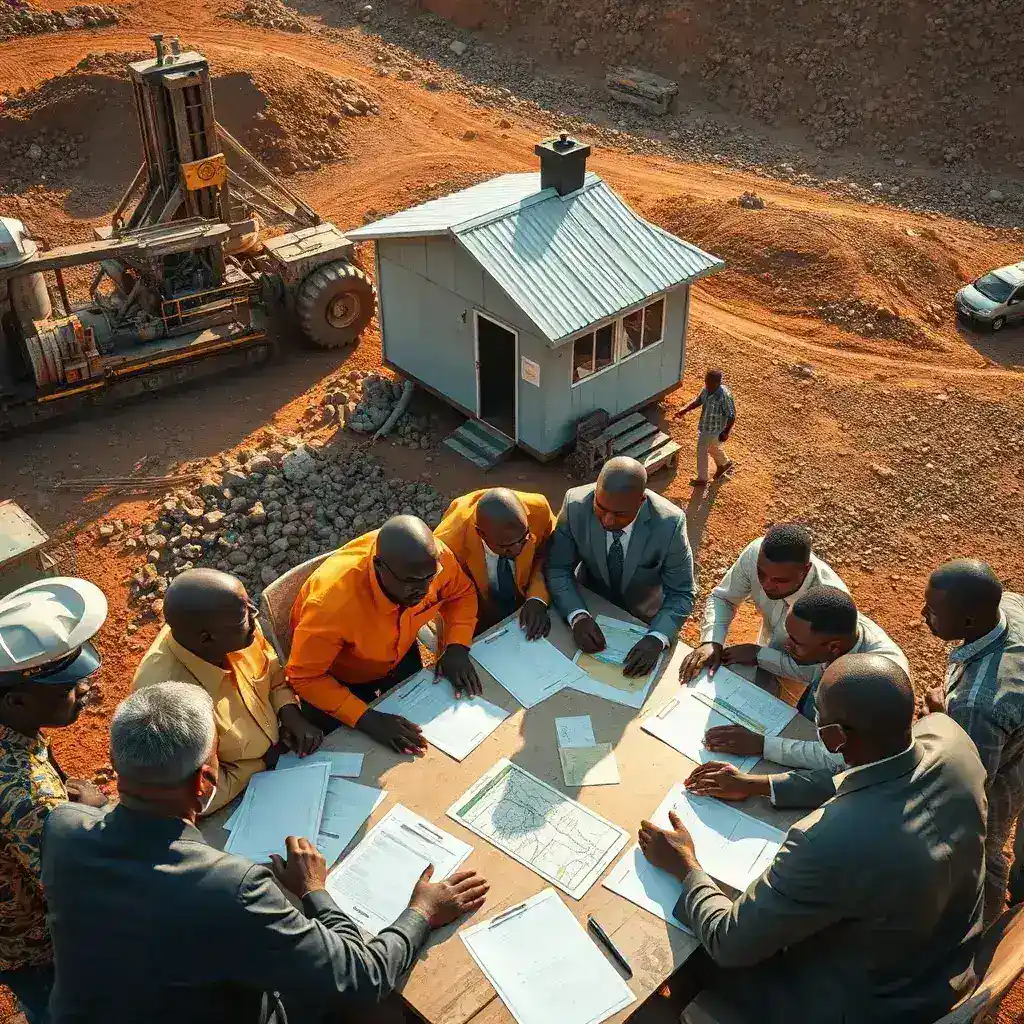
He warned that a poorly executed transfer of mining assets into Ghanaian hands, without sufficient investment capacity, could lead to reduced production and ultimately disadvantage the country. The operational complexities of the mining industry require substantial and continuous investment to maintain optimal production levels, a factor that must be carefully considered in any ownership transition.
Implications and Future Outlook
The heightened public interest in the Gold Fields lease renewal signifies a potential turning point in how Ghana negotiates and manages its extractive industries. As the nation seeks greater economic returns from its mineral wealth, the focus will likely shift towards developing robust strategies that balance local ownership aspirations with the technical and financial realities of large-scale mining operations. Stakeholders will be watching closely to see if Ghana can forge a path that ensures sustainable benefits and true value retention for its natural resources, moving beyond sentiment to implement concrete, strategic changes in its mining sector governance.






Leave a Reply