
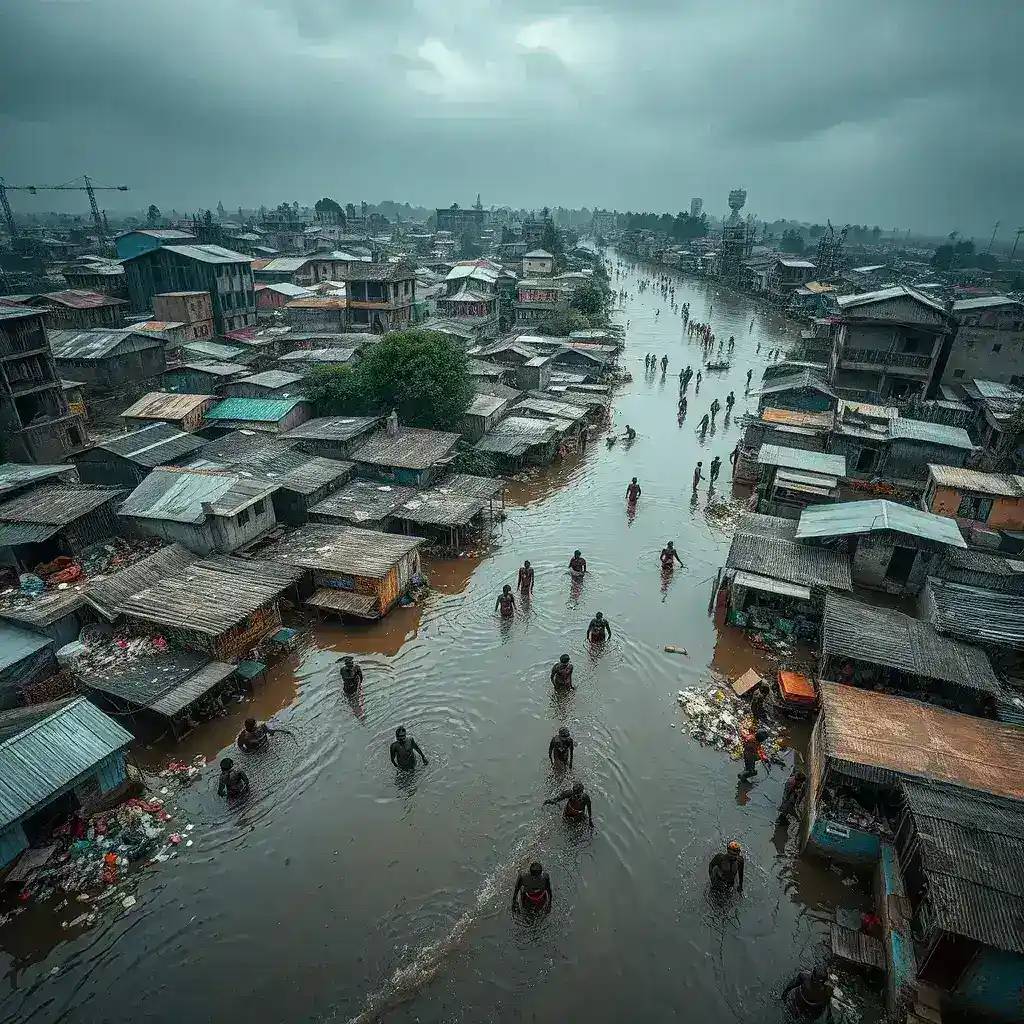
Accra, Ghana – As the annual rainy season descends upon Accra, residents brace for the familiar devastation of submerged homes, destroyed businesses, displaced families, and tragic loss of life, a cycle that has repeated for years despite governmental promises and interventions. This recurring crisis, however, is increasingly recognized not as a natural disaster, but as a man-made tragedy stemming from a pervasive lack of discipline, poor urban planning, weak law enforcement, and a collective failure to adopt responsible behaviors.
The Cycle of Recurrence
For decades, Accra has grappled with the consequences of torrential downpours transforming parts of the city into vast expanses of water. Each year, the questions resurface: Why does Accra consistently flood? Why are lives lost? Why has a lasting solution remained elusive?
While climate change and increased rainfall intensity are often cited, and insufficient investment in drainage infrastructure by successive governments plays a role, these explanations do not fully capture the complexity of the issue. The uncomfortable truth is that a significant portion of Accra’s devastating floods are a direct result of human actions and inactions.
Human Negligence as a Primary Driver
A primary contributor to the flooding crisis is the widespread blockage of drainage systems. Drains, gutters, and waterways across the city are routinely choked with plastic waste, discarded household items, and other refuse. This accumulation prevents stormwater from flowing freely, causing it to spill over into streets, homes, schools, and businesses during heavy rains.
The behavior of treating drainage channels as dumping sites is a critical factor. This situation is exacerbated by the persistent construction of buildings on natural waterways, wetlands, and flood-prone lands. Structures that should never have been approved are often allowed to stand, blocking natural water channels and forcing water to seek alternative, often destructive, paths.
Institutional Failures and Weak Enforcement
Responsibility for this crisis extends beyond ordinary citizens. Regulatory institutions, planning authorities, local assemblies, traditional leaders, and public officials are implicated through the issuance of permits for developments in high-risk areas and the frequent allowance of illegal structures to remain standing until disaster strikes.
The enforcement of planning regulations needs to be significantly strengthened, becoming more transparent and consistent. Rules that exist only on paper are ineffective in protecting lives and property. However, even stricter enforcement alone is insufficient without a broader societal shift.
The Need for a Cultural Shift
Public concern about flooding tends to spike only during and immediately after a disaster. Once the floodwaters recede and normalcy returns, public attention wanes, and the sense of urgency fades until the next rainy season. This cyclical pattern must be broken.
Flood prevention requires a year-round commitment from citizens, businesses, community leaders, and government institutions. Every individual who disposes of waste responsibly, every community that maintains its drains, every developer who adheres to planning regulations, and every public official who rejects corruption contributes to a safer city.
Addressing Deeper Structural Issues
Beyond immediate causes, Accra’s vulnerability is deepened by structural issues, most notably excessive rural-to-urban migration. Decades of migration in search of jobs, education, and better opportunities have led to rapid population growth and increased demand for housing. This pressure often fuels uncontrolled development in unsafe locations.
A long-term solution lies in balanced national development. The government must prioritize decentralizing economic opportunities by fostering industries, businesses, educational institutions, and public services across all regions of the country. Reducing the impetus for migration to Accra can alleviate pressure on the capital’s infrastructure.
Transportation and Urban Planning
Improving transportation infrastructure is also crucial. An efficient railway network connecting Accra to surrounding towns and regions could significantly reduce population pressure within the city. Reliable public transportation would enable people to live in safer, less congested communities while commuting comfortably to work.
Globally, effective transportation systems have proven capable of easing urban congestion and enhancing quality of life. Accra can achieve similar outcomes through strategic long-term planning and investment.
A Call for Responsibility and Long-Term Thinking
Ultimately, solving Accra’s flooding problem transcends mere infrastructure projects like constructing larger drains or dredging waterways. While important, these measures address symptoms rather than root causes. The deeper challenge lies in fostering a sense of collective responsibility.
Floods become disasters not solely because of rainfall, but when drains are neglected, waste is dumped indiscriminately, waterways are blocked, and laws are ignored. For Ghana to break the annual cycle of destruction, both citizens and leaders must embrace a new culture of discipline, accountability, and long-term thinking.
Foundations for a flood-resilient Accra include a cleaner environment, a more responsible citizenry, a stronger planning system, a decentralized economy, and an efficient transportation network. The rains will continue, but the critical question remains whether attitudes and behaviors will change to prevent natural events from becoming national tragedies. The solution begins with everyone.








Leave a Reply