
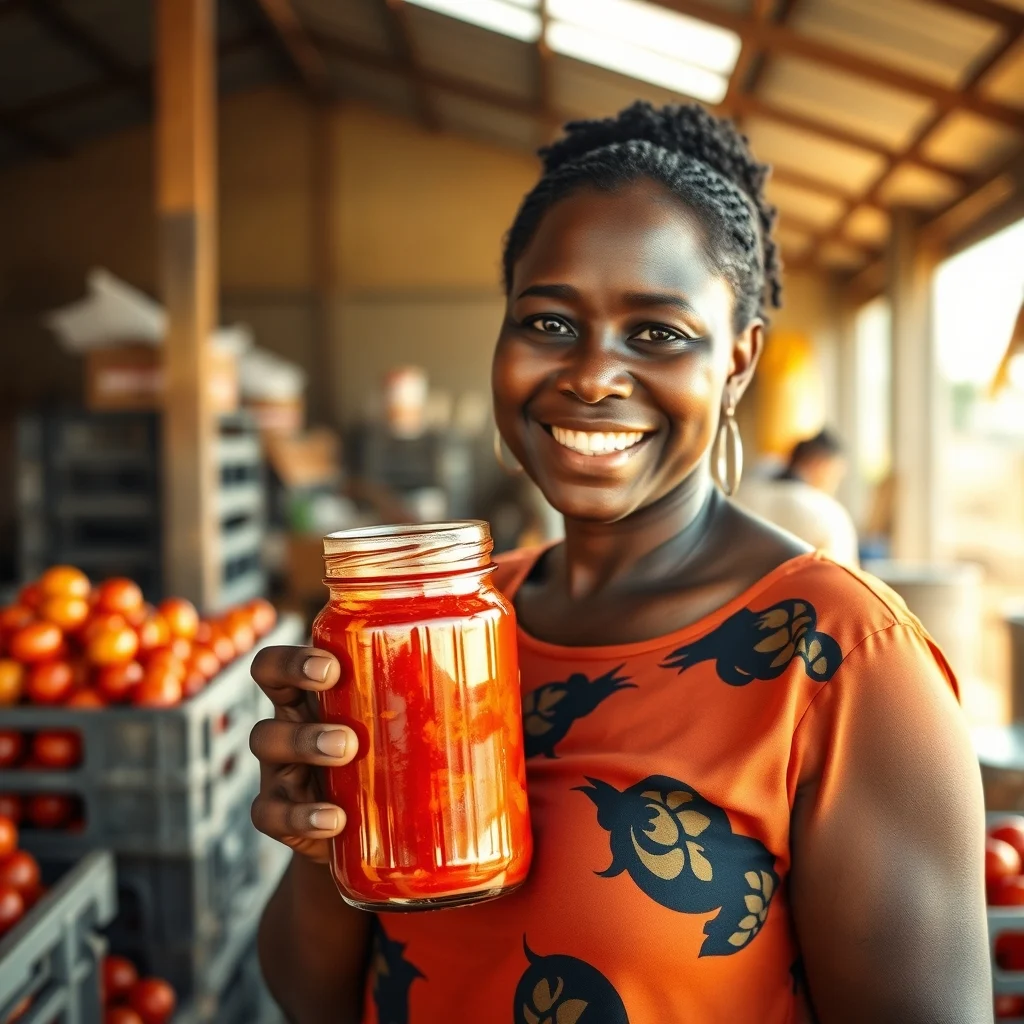
Ghanaian entrepreneur Maame Adwoa Asiedu, CEO of Ntoswura, is leading a charge to combat the nation’s significant tomato waste by establishing a local processing brand. With Ghana producing only about half of its domestic tomato needs and losing up to 45% of its harvest due to inadequate infrastructure, this initiative aims to bridge the gap between supply and demand by transforming surplus produce into valuable tomato paste. This effort is part of Joy FM’s month-long agribusiness conversation, in partnership with FAGE, highlighting critical issues in the agricultural sector.
The Scale of the Tomato Problem
Ghana’s agricultural sector faces a substantial challenge in its tomato production. Annually, the country produces approximately 380,000 tonnes of tomatoes but requires over 800,000 tonnes to meet domestic demand. Compounding this deficit is a staggering post-harvest loss, with estimates from the FAO and the Chamber of Agribusiness Ghana indicating that between 30% and 45% of the harvested tomatoes spoil before reaching consumers.
This waste occurs at various stages, from transit to market, largely due to a critical lack of adequate cold chain facilities and insufficient industrial processing capacity. Consequently, Ghana imports significant volumes of tomatoes, including substantial amounts from neighboring Burkina Faso, to compensate for the shortfall, even as its own produce goes to waste.
Ntoswura’s Solution: Value Addition at Source
Ntoswura, under the leadership of Maame Adwoa Asiedu, directly addresses this crisis by focusing on adding value to tomatoes at their source. The company partners directly with local farmers, specifically selecting tomato varieties that are better suited for processing into paste—denser and heavier cultivars compared to those typically used for salads.
By establishing processing facilities within Ghana, Ntoswura aims to significantly reduce post-harvest losses. Their business model not only tackles the waste issue but also introduces a branded, natural Ghanaian tomato paste product into the market, challenging the dominance of foreign brands.
Geographical Focus and Economic Patriotism
The company is concentrating its sourcing efforts in key tomato-producing regions across Ghana, including Bono and the Volta Region, with ambitious plans to expand its network to other vital areas like the Northern, Upper East, Ashanti, Eastern, and Greater Accra regions. Asiedu emphasizes that the venture is driven by a sense of economic patriotism, aiming to create a truly natural Ghanaian alternative in a market dominated by imported goods.









Leave a Reply