
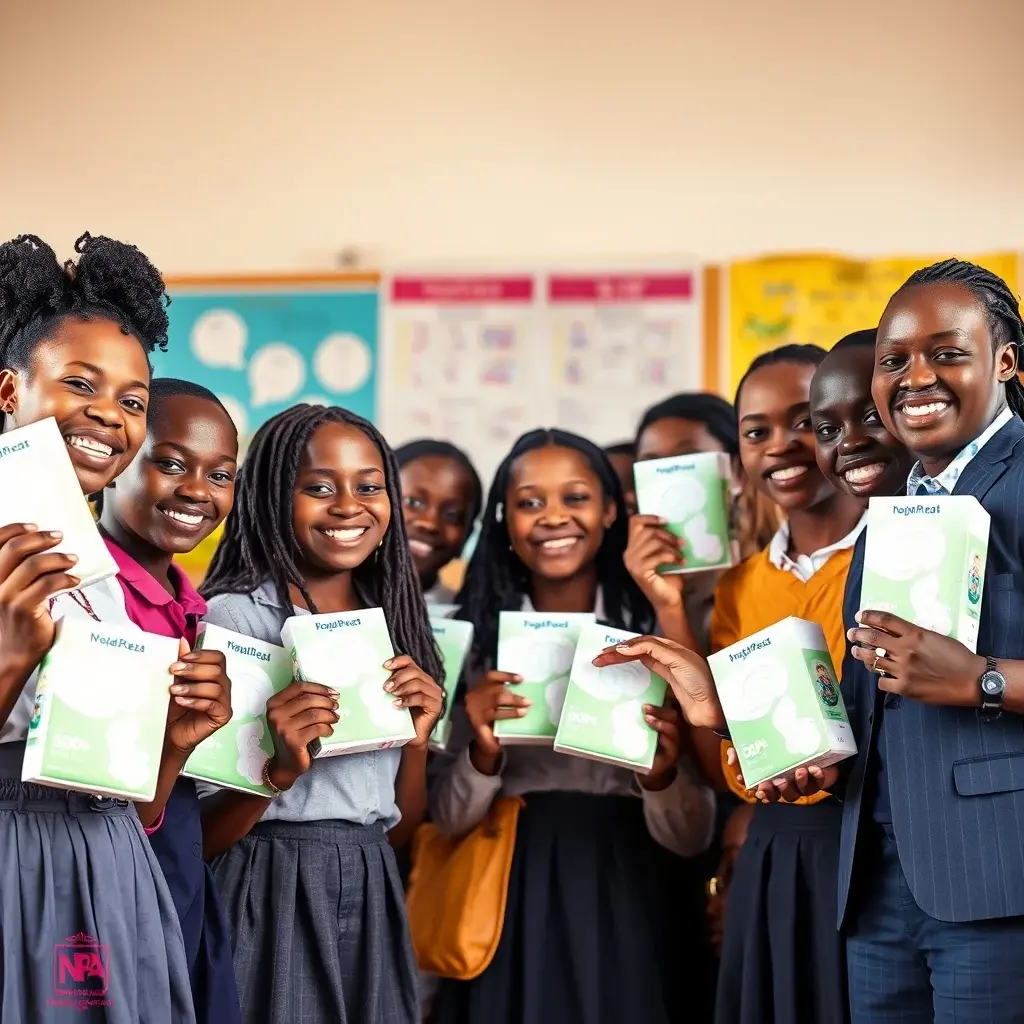
The National Petroleum Authority (NPA) distributed over 60,000 sanitary pads to female senior high school students across seven schools in six regions of Ghana. This initiative took place around World Menstrual Hygiene Day 2026, aiming to address menstrual hygiene challenges faced by young women and ensure it does not impede their education.
Context: Menstrual Hygiene and Education in Ghana
Access to sanitary products and comprehensive menstrual health education remains a significant challenge for many girls in Ghana. Lack of affordable sanitary pads can lead to girls missing school during their periods, impacting their academic performance and overall well-being. This issue is often exacerbated in rural areas and among underprivileged communities.
NPA’s Initiative and Reach
The distribution effort was led by the NPA’s Corporate Social Responsibility Department. The beneficiary schools included Ghana Senior High School, OLA Girls Senior High School, Holy Child School, Bole Senior High School, Ahantaman Girls’ Senior High School, T.I. Ahmadiyya Senior High School, and Adonten Senior High School. These schools are located across six different regions, highlighting the NPA’s broad reach.
The intervention is part of the NPA’s ongoing commitment to promoting menstrual health and supporting educational outcomes. By providing essential sanitary supplies, the NPA seeks to alleviate the financial burden on students and their families.
Empowering Girls Through Dignity and Education
Maxwell Asare Ampadu, Head of Corporate Social Responsibility at the NPA, spoke at the outreach program. He stressed that menstruation should not be a barrier to a girl’s education or personal growth. He emphasized that every female student deserves the chance to pursue her academic and career ambitions with confidence and dignity.
Mr. Ampadu urged the students to maintain good hygiene practices and remain focused on their studies. He encouraged them to believe in their potential to achieve success. This message aimed to empower the young women beyond just the provision of sanitary pads.
Broader Commitment to Sustainable Development
The NPA reaffirmed its dedication to supporting educational institutions and empowering youth through impactful social interventions. The sanitary pad distribution is viewed as a contribution to sustainable development goals, particularly those related to gender equality and quality education.
This initiative aligns with the broader national and international efforts to break down barriers to girls’ education and promote menstrual health equity. By addressing a fundamental need, the NPA aims to foster an environment where young women can thrive academically and personally.
Looking Ahead: Continued Support and Awareness
The NPA’s commitment suggests a continued focus on addressing the challenges of menstrual hygiene among students. Future interventions may include educational workshops on menstrual health, advocacy for policy changes, and further distribution of sanitary products. The success of this program could encourage other organizations to replicate similar initiatives, amplifying the positive impact on girls’ education across Ghana.





Leave a Reply