
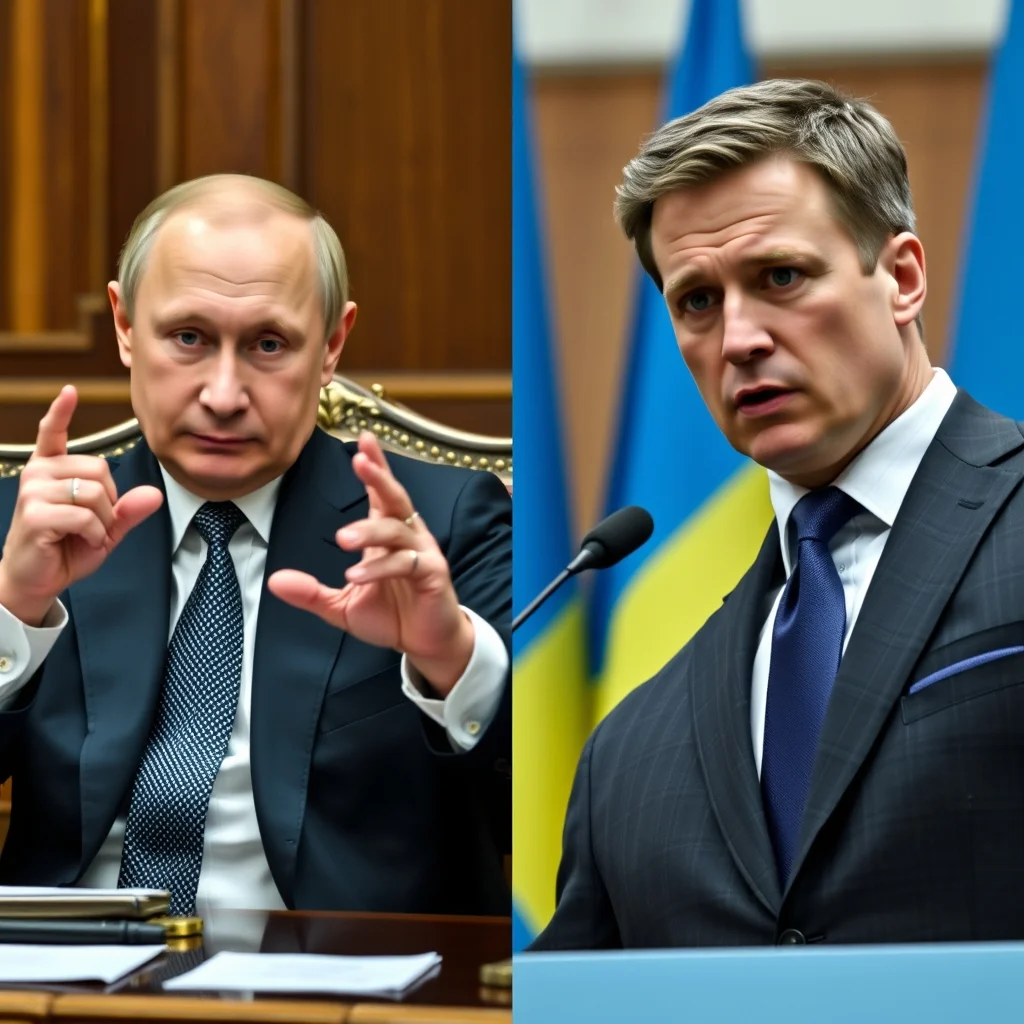
Russian President Vladimir Putin stated on Friday that he sees no immediate benefit in meeting with Ukrainian President Volodymyr Zelensky to discuss ending the war, dismissing Zelensky’s open letter as “rude” and reiterating that peace talks require prior agreements rather than a ceasefire. Zelensky had formally requested direct negotiations with Putin on Thursday, expressing concern that the conflict might once again fade from global attention.
Context of the Standoff
The exchange highlights the deep chasm between Moscow and Kyiv regarding the path to peace. Russia’s full-scale invasion of Ukraine began in February 2022, leading to protracted conflict and significant geopolitical realignments. Zelensky’s appeal for direct talks aimed to break the diplomatic deadlock, while Putin’s response underscored his insistence on preconditions.
Putin, speaking at Russia’s annual economic forum in St Petersburg, characterized Zelensky’s communication as an attempt to avoid a meeting, rather than facilitate one. “I don’t see any point for now,” Putin remarked when questioned about the Ukrainian president’s proposal.
Zelensky’s Response and Putin’s Conditions
Following Putin’s rejection, President Zelensky accused Russia of “choosing war again” and failing to demonstrate a genuine desire for peace. “He just doesn’t want to end the war. I think that many in the world were disappointed by this answer,” Zelensky wrote on the Telegram messaging app.
Putin elaborated on his stance, suggesting that a ceasefire without prior long-term agreements would merely allow Ukraine to regroup. He emphasized the need for experts to devise solutions before any high-level meeting could be productive. “The only point is for the Ukrainian side to halt the advance of our armed forces. But we need agreements – not for six months, not for three months, but for the long term,” he stated.
Russia’s core demands remain consistent: Ukraine must cede control over the Donetsk, Luhansk, Kherson, and Zaporizhzhia regions and abandon aspirations to join NATO. Ukraine, however, has consistently refused to surrender territory, viewing such concessions as emboldening further Russian aggression, citing the 2014 annexation of Crimea as precedent.
Escalating Tensions and Military Actions
Zelensky’s letter had included pointed remarks about Putin’s long tenure in power and referenced recent Ukrainian strikes on Russian territory, including St Petersburg. Putin acknowledged these “rather rude remarks” as part of his rejection of the proposed meeting.
The diplomatic impasse occurs amidst continued military activity. Ukraine reported on Friday that it had struck five ships carrying illegal cargo in the Sea of Azov and occupied coastal waters. Ukrainian drone commander Robert Brovdi stated these vessels were involved in “stealing” Ukrainian grain and transporting fuel and military supplies. Azerbaijan’s foreign ministry confirmed five fatalities in attacks on two ships in the Sea of Azov, though it did not attribute blame and noted the vessels were not Azerbaijani-owned.
Meanwhile, Russia has continued its attacks on Ukraine. Officials reported at least 13 deaths and 70 injuries in the preceding day, including casualties from a strike on a dairy factory outside Kyiv and a drone attack on a petrol station in Kherson.
Implications and Future Outlook
Putin’s firm stance suggests that a direct presidential meeting to end the war is unlikely in the near future, barring a significant shift in either side’s core demands or a breakthrough in expert-level negotiations. The continued military actions and diplomatic deadlock indicate that the conflict is set to persist.
The focus will likely remain on battlefield developments and the effectiveness of Ukraine’s efforts to disrupt Russian logistics and resource acquisition. Observers will watch for any potential shifts in international pressure or mediation efforts that could influence the positions of either leader. The Russian insistence on territorial concessions and Ukraine’s unwavering commitment to sovereignty remain the primary obstacles to any negotiated settlement.










Leave a Reply