
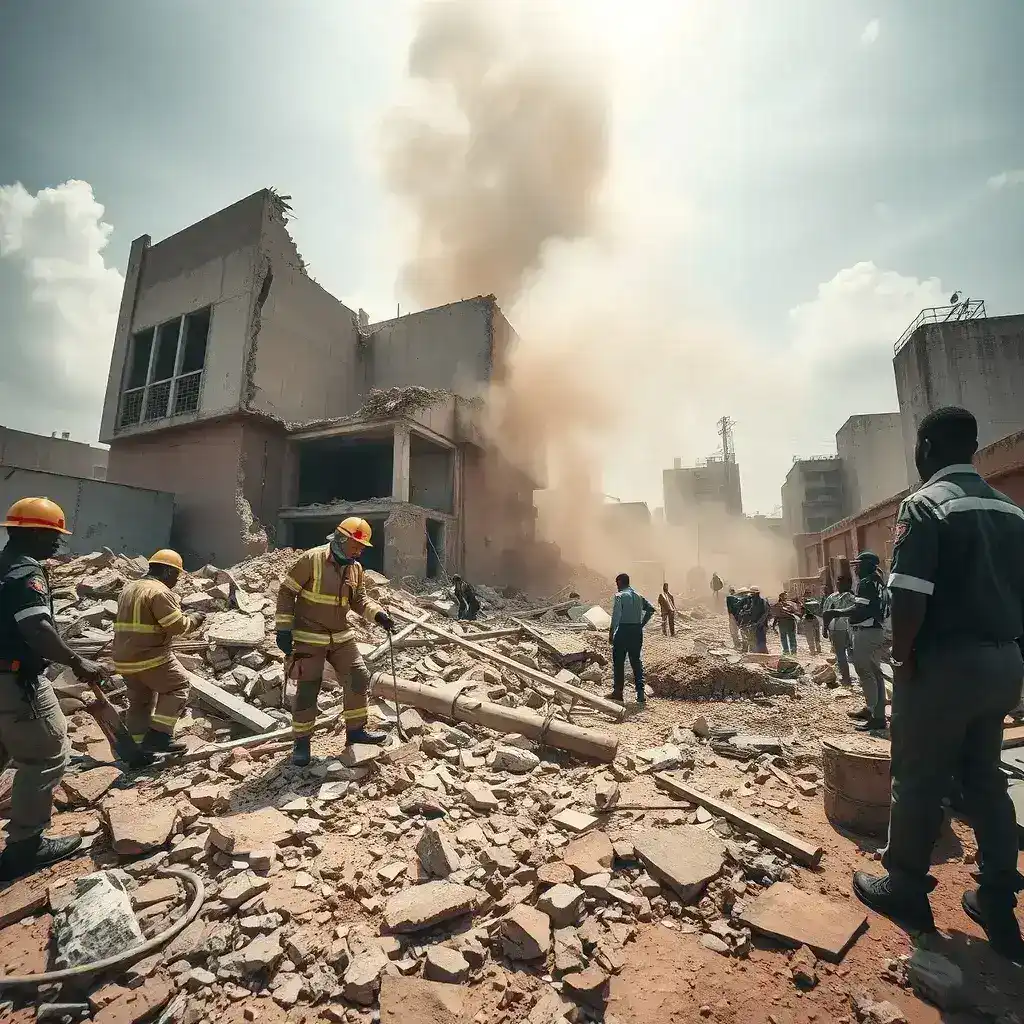
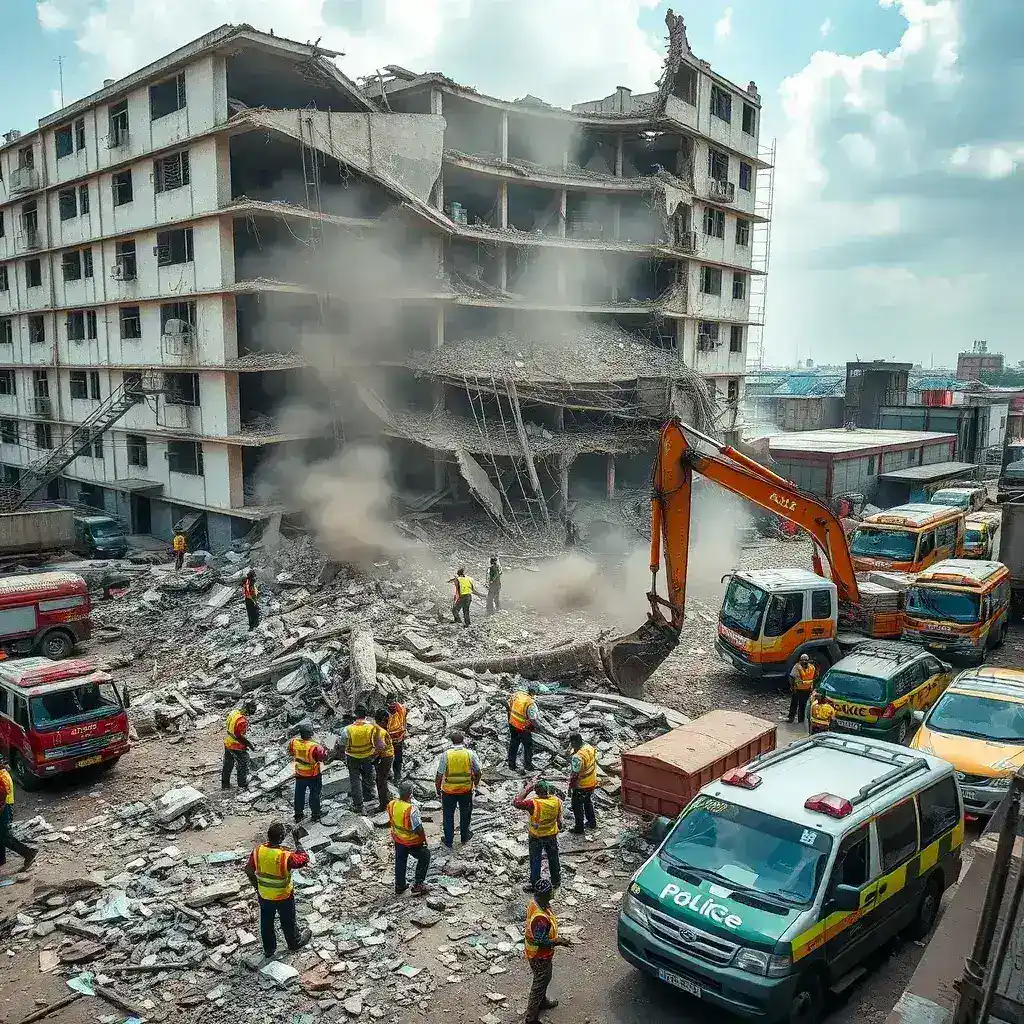
Vice President Prof. Naana Jane Opoku-Agyemang has strongly advocated for the rigorous enforcement and adherence to building and safety regulations in Ghana, following the tragic collapse of a structure in Accra’s North Industrial Area. The incident, which occurred recently, has prompted a call for accountability and a national re-evaluation of construction practices.
Context of the Collapse
The North Industrial Area in Accra is a hub for various businesses and manufacturing activities. This specific incident involved the collapse of a building, leading to concerns about structural integrity and the safety of construction projects within the densely populated urban area. While the exact cause is under investigation, the Vice President’s statement suggests a potential failure to comply with existing building codes and safety standards.
Urgent Call for Compliance and Accountability
Speaking at the scene of the collapse, Vice President Opoku-Agyemang emphasized that such tragedies are often preventable and stem from a disregard for established rules. “Because somebody didn’t do the right thing. When people step out to do the right thing, all of us should support them,” she stated, highlighting the interconnectedness of compliance and public safety.
She underscored the necessity of rules for maintaining order and ensuring safety, even if they are sometimes perceived as inconvenient. “Let’s abide by the rules. Nobody likes rules, but we need rules. Otherwise, nothing will function,” the Vice President urged. This sentiment points to a broader challenge of ensuring that regulations are not only in place but also actively followed by all stakeholders involved in the construction industry.
Investigation and Future Prevention
The Vice President has called for a comprehensive investigation into the circumstances surrounding the building’s collapse. She stressed that all parties involved must be prepared to accept responsibility if negligence is found. “We need to do proper investigation. We must all open ourselves to be held to account. It’s all of us,” she declared, advocating for a collective approach to accountability.
Prof. Opoku-Agyemang suggested that the disaster might have been avoided, prompting a national dialogue on the importance of both compliance with regulations and the effectiveness of enforcement mechanisms. “This really maybe needn’t have happened. But what could we have done? What do we do to ensure that going forward we are not seeing many like these?” she questioned.
Warning Against Unsafe Practices
The Vice President also issued a stern warning against undertaking construction in hazardous locations, particularly in areas known for flooding or situated within designated waterways. “We know the place is prone to flooding. We know that this is a waterway. Let’s not invite unnecessary tragedy,” she cautioned, emphasizing the risks associated with building in environmentally sensitive zones.
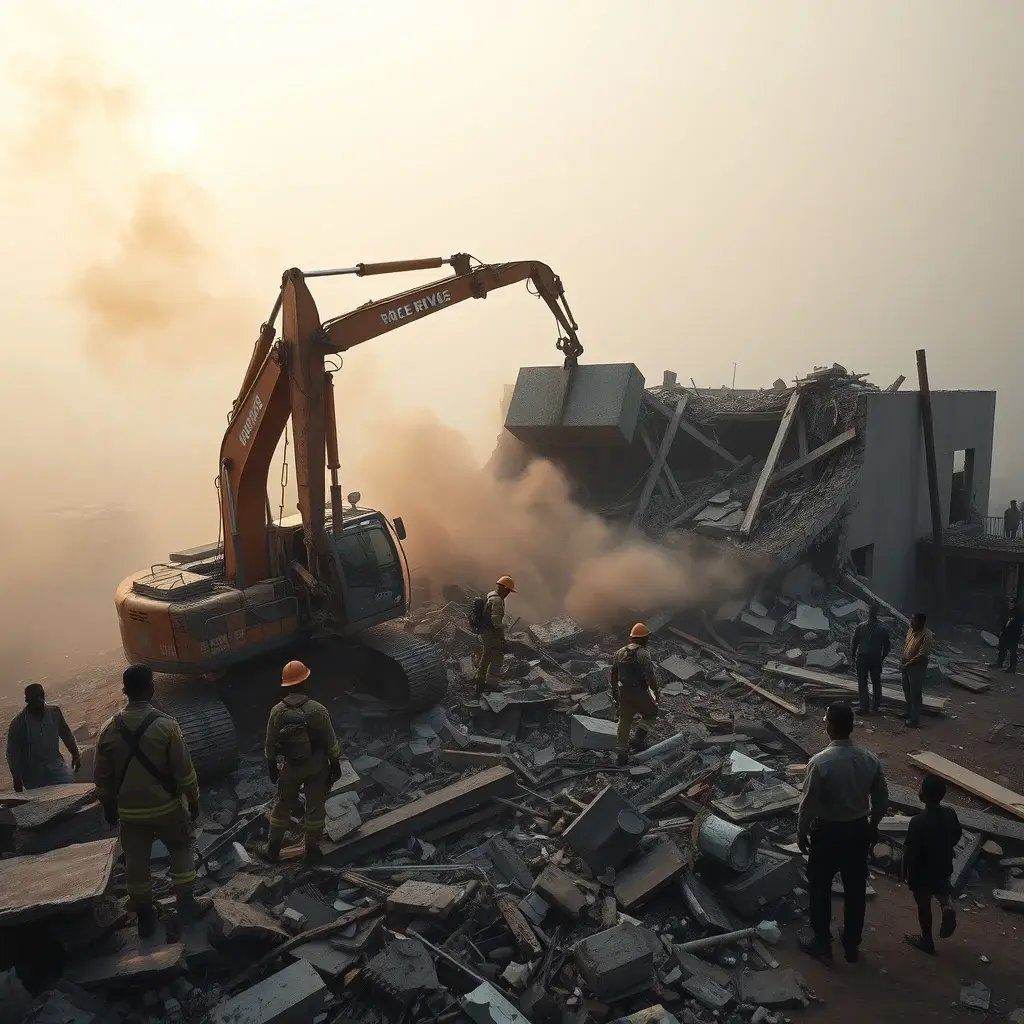
She took the opportunity to commend the swift response and efforts of the emergency services, including the fire service, police, military personnel, and the media, who were present and actively involved in the rescue and immediate aftermath operations at the collapse site.
Implications for the Construction Sector and Public Safety
This incident and the Vice President’s strong stance signal a potential shift towards stricter oversight and enforcement within Ghana’s construction sector. Developers, contractors, and regulatory bodies may face increased scrutiny. The emphasis on accountability suggests that non-compliance could lead to more severe consequences, including legal penalties. For the public, this underscores the critical importance of construction safety and the need to report unsafe practices. The warning regarding building in flood-prone areas also highlights the intersection of urban planning, environmental management, and construction safety, which will be crucial for sustainable development in Accra and other urban centers. Moving forward, the focus will likely be on how effectively these calls for compliance translate into tangible changes in building practices and regulatory enforcement to prevent future disasters.




Leave a Reply