
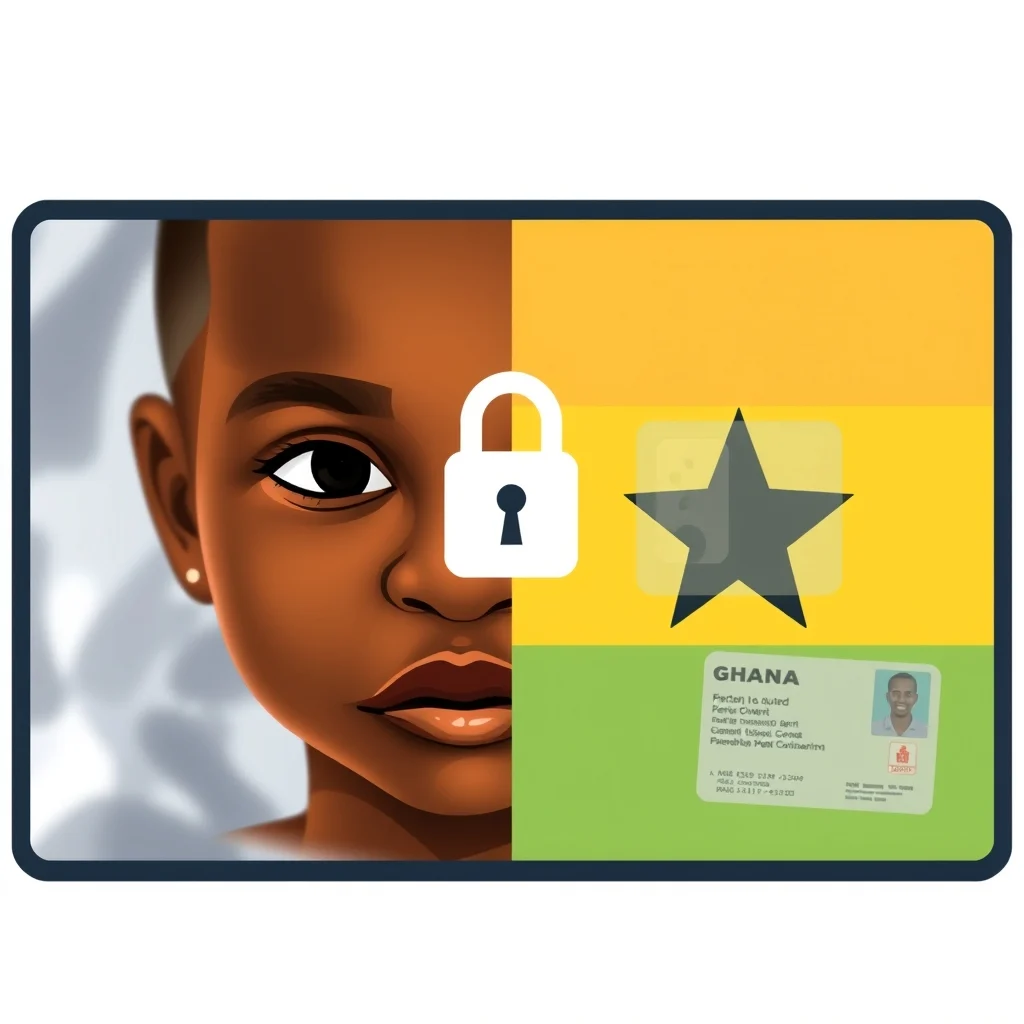
Ghana’s Deputy Chief of Staff, Stan Dogbe, has defended a proposed policy that would require users to verify their identity before accessing pornographic websites. The announcement, made by Minister for Communications, Digital Technology and Innovations, Samuel Nartey George, aims to shield children from exposure to explicit online content. The policy is currently being prepared for Cabinet consideration.
Background: Protecting Children Online
Minister Samuel Nartey George, who also serves as the Member of Parliament for Ningo-Prampram, revealed the government’s intention at the 4th African Inter-Parliamentary Conference on Family, Sovereignty and Values. The proposed measure could mandate that users provide a valid national identification card or driver’s licence to access adult websites.
This initiative has drawn criticism, with some suggesting it reflects inefficiency on the part of the Communications Minister. However, Mr. Dogbe strongly refuted these claims in a Facebook post on Sunday, June 7.
Minister Defends Policy Against Criticism
“Protecting children from inappropriate content does not make a minister inefficient, nor does it reflect a misunderstanding of his duties,” Mr. Dogbe stated. He emphasized that the policy is specifically designed to target minors and would not restrict adults from accessing legal online content.
The Deputy Chief of Staff highlighted the potential harm to children from exposure to pornographic, gay, and other inappropriate materials. He stressed that while adults may have the capacity to discern and handle such content, policies must be in place to prevent accidental exposure to minors.
“Just because some adults may not find harm in explicit content, it does not mean children should be subjected to it,” he wrote, underscoring the protective intent behind the proposal.
Global Precedents and Public Perception
Mr. Dogbe also pointed to international examples, noting that numerous countries, both developed and developing, have implemented regulations to safeguard children from harmful online material. This suggests that Ghana’s proposed policy aligns with global efforts in online child protection.
He urged the public to view the measure as a child safeguarding initiative rather than an infringement upon adult freedoms. The government’s stance indicates a focus on parental control and digital responsibility within the online sphere.
Implications and Future Outlook
If implemented, this policy could significantly alter how adult content is accessed in Ghana, requiring a more robust digital identity verification system. It raises questions about data privacy, the feasibility of enforcement, and the potential impact on internet service providers and website operators.
The government’s move signals a growing trend among nations to address the challenges of regulating online content, particularly concerning vulnerable populations. The success and public acceptance of this policy will likely depend on its careful implementation and clear communication of its objectives. It will be crucial to watch how Ghana’s Cabinet deliberates on this proposal and what specific mechanisms are developed to ensure its effectiveness and compliance with privacy standards.










Leave a Reply