
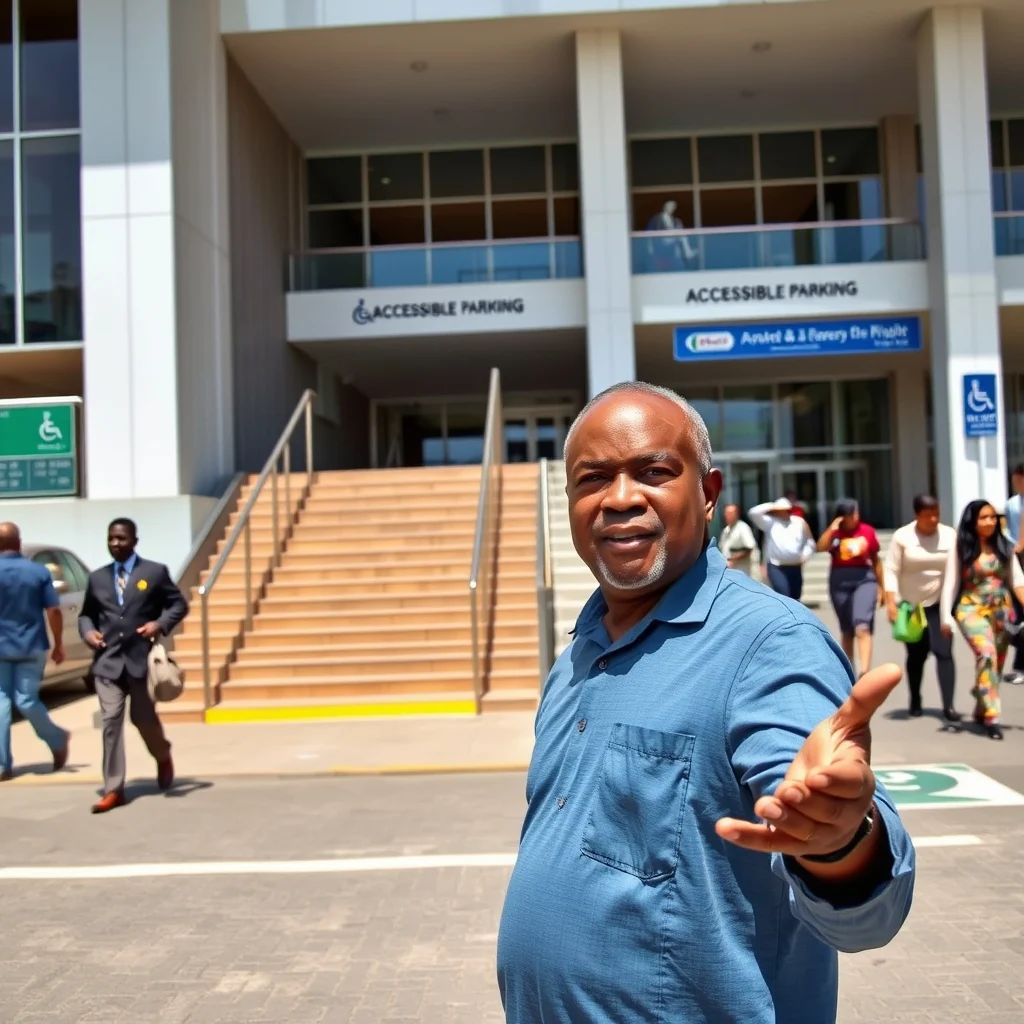
Disability rights advocate Humphrey Matey Kofie is urging for more explicit and robust accessibility requirements within Ghana’s new Persons with Disability Bill. Speaking on JoyNews’ The Law on Sunday, June 7, Kofie highlighted that the current Persons with Disability Act, 2006 (Act 715), has proven insufficient in ensuring full inclusion for individuals with disabilities, prompting the need for enhanced provisions in the upcoming legislation.
Addressing Gaps in Existing Legislation
Kofie explained that while Act 715 acknowledges the necessity of accessibility, it lacks specific guidance on the standards that public institutions, employers, and developers must adhere to. This ambiguity prevents the consistent guarantee of equal access for persons with disabilities.
“If someone with a disability is in this building, the employer should ensure that reasonable accommodations are available to enable the person to function effectively. That is not adequately catered for in the 2006 Act,” Kofie stated.
Alignment with International Standards
The proposed bill aims to bring Ghana’s disability rights framework into closer alignment with the UN Convention on the Rights of Persons with Disabilities (UNCRPD). This international treaty places a significant emphasis on accessibility, reasonable accommodation, and the proactive removal of societal barriers that impede participation.
Persistent Accessibility Deficiencies
Despite existing legal provisions, many public buildings across Ghana continue to lack fundamental accessibility features. Ramps, lifts, and disability-friendly facilities remain absent in numerous structures, demonstrating a failure to implement the spirit of current laws.
Kofie expressed particular concern over newly constructed public facilities that still omit accessibility measures. This raises questions about the effectiveness of current compliance mechanisms and the awareness levels among professionals involved in construction, including architects, engineers, and contractors.
Challenges in Public Transportation
The advocate also pointed to significant challenges within the public transport sector. He stressed that transportation systems must be intentionally designed to accommodate the needs of persons with disabilities, moving beyond mere compliance to genuine usability.
The Need for Proactive Design and Enforcement
Kofie called upon government agencies responsible for approving infrastructure projects to integrate accessibility requirements from the initial design phase. He emphasized that strict enforcement during the implementation stage is crucial for meaningful change.
“We need to make a conscious effort, and that effort must be intentional. Contractors and ministries must ensure accessibility considerations are captured in project designs before construction begins,” he asserted.
Implications for Inclusion and Future Development
The introduction of clearer accessibility standards and more robust enforcement mechanisms in the proposed bill is expected to dismantle existing barriers. This will enable persons with disabilities to participate more fully in critical areas of life, including education, employment, transportation, and broader public life.
These proposed reforms hold the potential to significantly strengthen disability rights protections in Ghana. As the bill progresses, attention will be keenly focused on the specific language used for accessibility mandates and the concrete enforcement strategies that will be put in place to ensure these provisions are not just legal text, but functional realities for all citizens. The effectiveness of these changes will ultimately be measured by the tangible improvements in accessibility and inclusion experienced by persons with disabilities across the nation.










Leave a Reply