
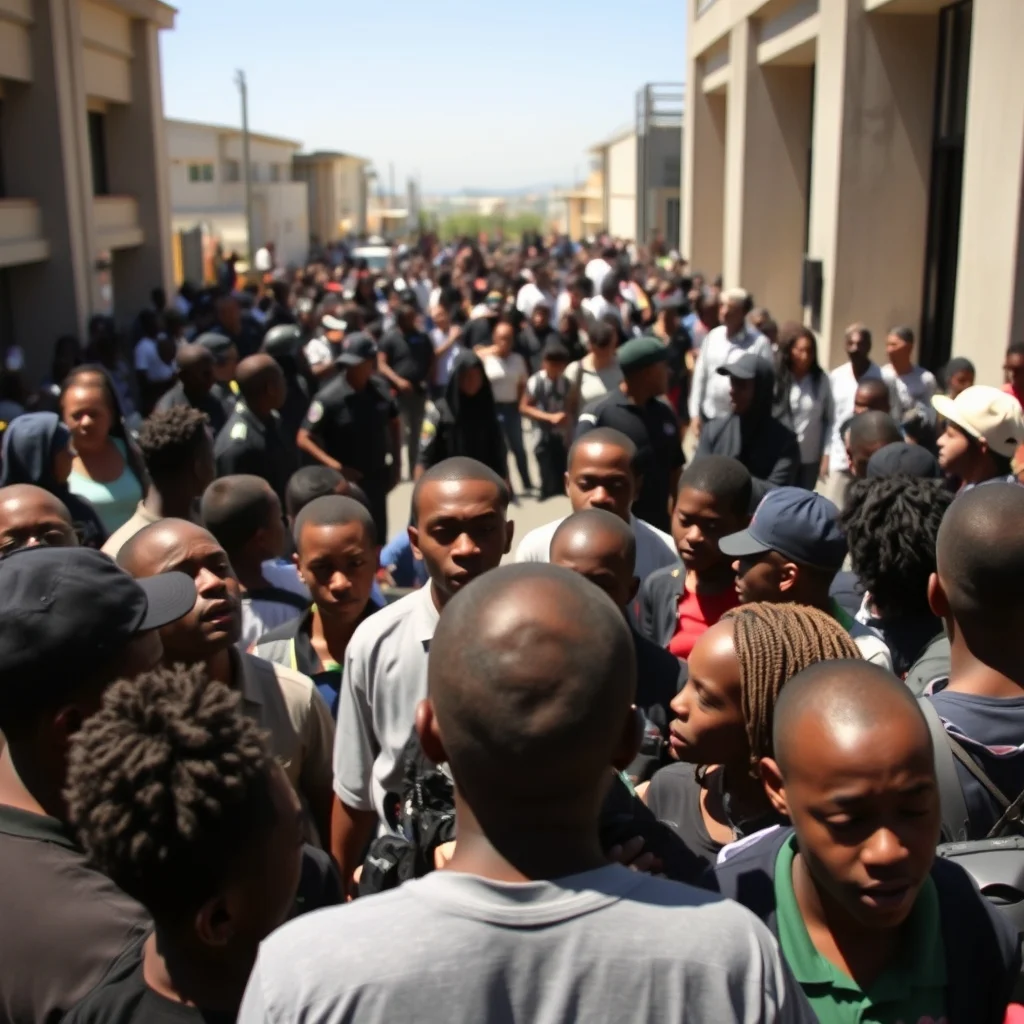
South African President Cyril Ramaphosa has strongly condemned vigilante actions targeting foreign nationals, asserting on Sunday, June 7, that only state authorities are empowered to enforce immigration laws. His remarks followed a surge in xenophobic incidents and anti-foreigner campaigns, which have heightened concerns over social cohesion and public safety across the nation.
State Authority in Immigration Enforcement
President Ramaphosa unequivocally stated that no individual or group possesses the legal standing to confront individuals in public spaces and demand identification, reinforcing that the enforcement of immigration laws is the exclusive domain of the state. This directive aims to curb escalating lawlessness and protect foreign nationals from unwarranted harassment and violence.
He acknowledged that South Africans may harbor legitimate concerns about illegal immigration. However, he cautioned that such concerns must not serve as a pretext for violence, lawlessness, or attacks against foreign nationals. “The responsibility for enforcing immigration laws rests with the state, and the state alone,” Ramaphosa emphasized, underscoring the government’s sole authority in this matter.
Combating Misinformation and Exploitation
The President also issued a warning against the proliferation of misinformation and inflammatory content circulating on social media platforms. He highlighted that certain groups are actively exploiting immigration issues to advance their own political, personal, or criminal agendas. This manipulation of public sentiment risks further destabilizing the country.
“We will, and must not allow groups to use the legitimate concerns of South Africans to destabilise our country through inciting lawlessness and violence,” Ramaphosa declared. He pledged decisive action against those seeking to exploit public anxieties for nefarious purposes. The government is committed to addressing the root causes of these tensions while upholding the rule of law.
International Response and Evacuations
In the wake of these heightened tensions, Ghana has taken steps to assist its citizens residing in South Africa. Approximately 1,500 Ghanaian nationals have voluntarily chosen to return to their home country following recent waves of xenophobic attacks and anti-immigrant protests. This evacuation underscores the severity of the situation and the impact on foreign communities.
Expert Perspectives and Data
Dr. Nomusa Dlamini, a sociologist specializing in social cohesion at the University of Johannesburg, commented on the rising xenophobia. “The current climate is fueled by a complex interplay of socio-economic factors, including high unemployment and perceptions of resource scarcity, which are often misdirected towards foreign nationals,” she stated. “President Ramaphosa’s intervention is crucial in re-establishing the state’s role and preventing further erosion of social trust.”
Data from the Institute for Security Studies (ISS) indicates a concerning trend in anti-foreigner sentiment in recent years. While specific figures fluctuate, reports suggest that incidents of violence and discrimination against foreign nationals, particularly those from other African countries, have seen an uptick, often exacerbated by inflammatory rhetoric from various community groups and political actors.
Implications for South Africa and Beyond
President Ramaphosa’s firm stance signals a clear intent by the South African government to regain control over immigration enforcement and combat xenophobia. The implications are significant, potentially leading to stricter enforcement measures against illegal immigration while simultaneously aiming to protect foreign nationals from violence and discrimination. This approach seeks to balance national sovereignty with the country’s international obligations and its commitment to human rights.
For foreign nationals living in South Africa, the President’s assurance offers a degree of reassurance, though vigilance remains necessary. The government’s commitment to prosecuting those involved in vigilantism and hate speech will be a key indicator of its success in restoring order and fostering a more inclusive society. The international community will be watching closely to see if these measures effectively curb xenophobic violence and protect the rights of all residents.
The situation also highlights the ongoing challenge of managing migration flows in a country facing its own economic pressures. The government’s ability to address the underlying socio-economic issues that fuel xenophobia will be critical in achieving long-term stability and social harmony. Future developments will likely involve a combination of stricter border controls, intensified efforts to combat illegal activities, and robust public awareness campaigns promoting tolerance and understanding.










Leave a Reply