
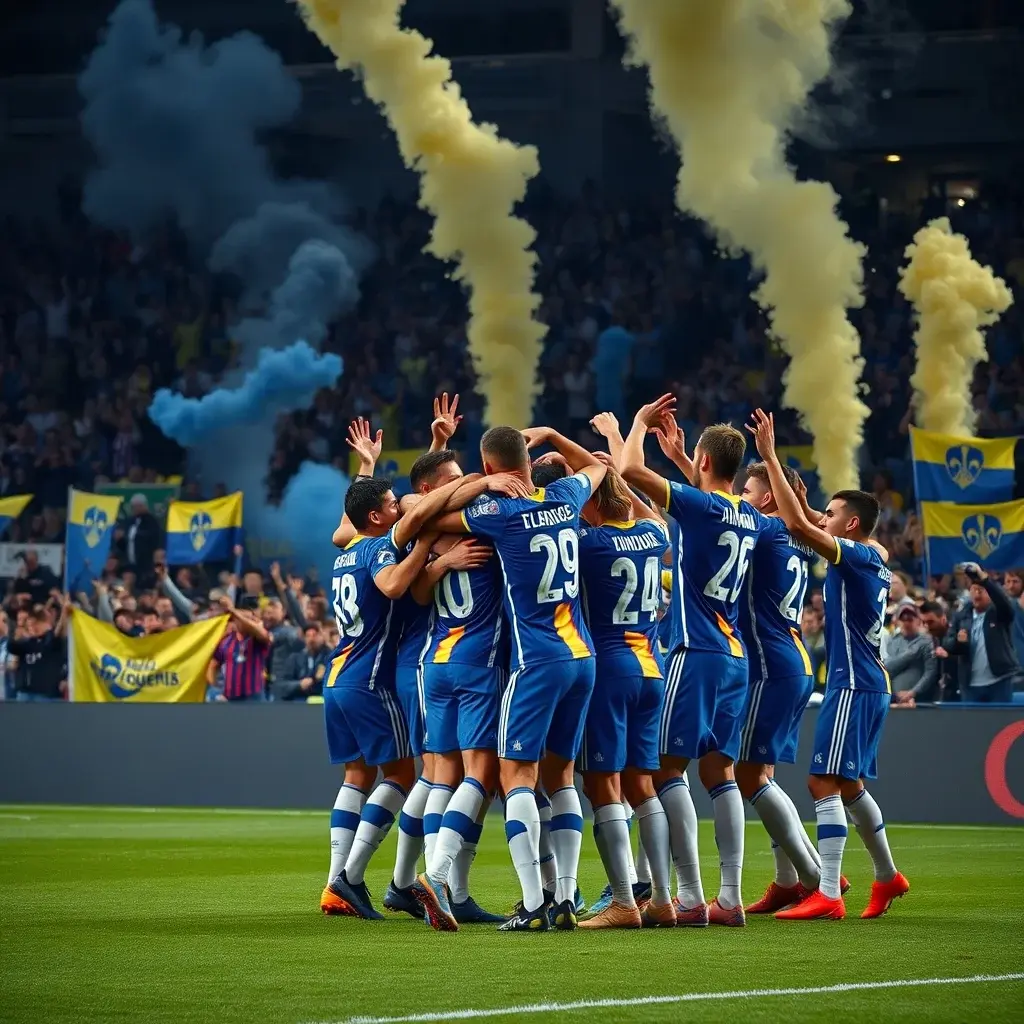
Bosnia and Herzegovina’s qualification for the 2026 World Cup was a stunning upset, achieved under the guidance of first-time coach Sergej Barbarez. The team, which had struggled in previous qualification cycles, navigated a dramatic playoff, overcoming established European powers like Wales and Italy to secure their spot in the tournament, marking only the second World Cup appearance in the nation’s history.
The Barbarez Revolution
The appointment of Sergej Barbarez, a former national team captain, marked a significant turning point. Barbarez, who had previously expressed interest in the coaching role for over a decade, finally took the helm in 2024. He assembled a backroom staff of close friends and former teammates, including Emir Spahic as sporting director and Sasa Papac and Zlatan Bajramovic joining the coaching team.
Barbarez’s initial tenure saw a considerable turnover in the squad, with 16 players making their debuts. Many of these new recruits were developed abroad, bringing diverse experiences from leagues in Sweden, Germany, Austria, and the United States. This influx of talent aimed to rebuild the team’s mentality, a core objective for Barbarez, even as he endured a winless streak in his first eight matches.
Tactically, Barbarez’s Bosnia does not adhere to a fixed style, often switching between 4-2-3-1 and 4-4-2 formations. However, the team’s identity is primarily defined by its aggressive defending, direct attacking play, and rapid transitions. The emotional intensity of matches often supersedes tactical rigidity, a characteristic deeply ingrained in Bosnian football.
Key Figures and Emerging Talents
The squad, while infused with new energy, still looks to veteran captain Edin Dzeko as its lynchpin. Despite being 40 years old, Dzeko remains Bosnia’s all-time leading goalscorer and a revered figure. His experience and understanding of crucial moments were instrumental during the playoff victories, with Dzeko affirming his commitment as long as he can contribute.
Among the new generation, 18-year-old midfielder Kerim Alajbegovic is emerging as a standout talent. Possessing natural attacking flair and a fearless demeanor, Alajbegovic has already earned the trust of Barbarez, notably stepping up to convert penalties in both playoff shootouts. His composure and technical ability mark him as a potential face of Bosnia’s future.
Another player embodying the team’s evolving mindset is defender Tarik Muharemovic. Developed in European academies, Muharemovic brings a calm and composed approach to the backline, a contrast to the more traditionally aggressive Balkan defenders. His ability to carry the ball forward and solve problems with composure adds a new dimension to Bosnia’s defense.
Fanatic Support and Tournament Outlook
Bosnia and Herzegovina’s supporters are renowned for their passionate and emotional engagement, drawing from both domestic fans and a large diaspora across Europe and North America. The team’s qualification, a rare achievement, sparked widespread celebrations, with over 100,000 people reportedly celebrating in Sarajevo alone.
The BHFanaticos ultra group is expected to spearhead the visual and auditory spectacle, characterized by large flags, medieval Bosnian symbols, constant chanting, drums, and pyrotechnics. The intensity of Bosnian fan celebrations reflects the significance of reaching the World Cup, with each moment savored as potentially unique.
In Group B, Bosnia and Herzegovina faces Canada, Switzerland, and Qatar. While not expected to dominate possession, their blend of quality, emotional drive, and unpredictability positions them as a challenging opponent for any team in the group.
Looking Ahead
The success of Barbarez’s rebuild and the integration of young talent will be crucial for Bosnia and Herzegovina’s long-term development. Their performance in the World Cup will not only be a test of their current capabilities but also a significant indicator of the nation’s potential in future international competitions. The continued evolution of players like Alajbegovic and Muharemovic, alongside the enduring leadership of Dzeko, will shape the narrative of Bosnian football in the coming years.










Leave a Reply