
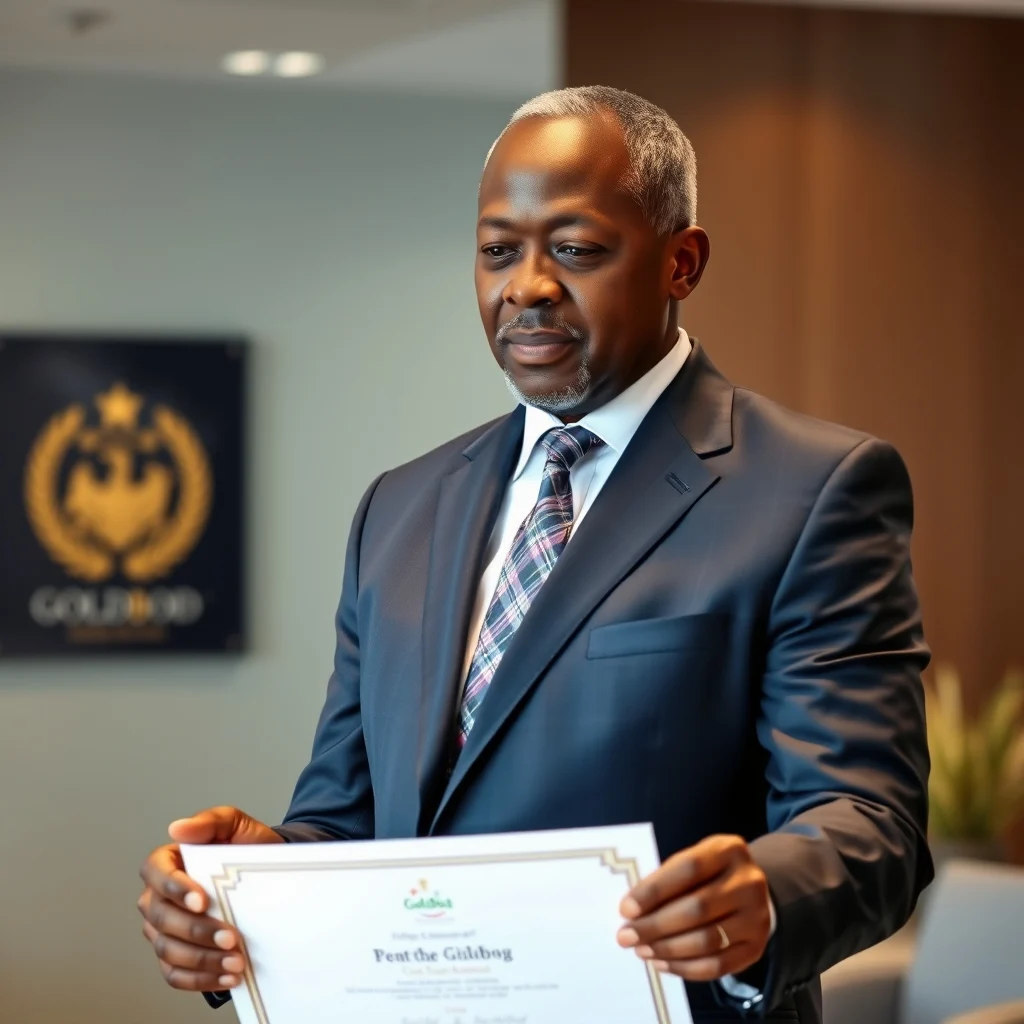
Nana Akwasi Awuah, former Chief Executive Officer of the Precious Minerals Marketing Company (PMMC), now known as GoldBod, revealed on Monday, June 8, that he consistently refused award proposals demanding financial contributions during his tenure. Many award organizers approached the state-owned entity with recognition offers that were often tied to sponsorship packages or other financial obligations.
Shunning Financial Award Demands
Mr. Awuah stated on his Facebook page that he dismissed such proposals outright, refusing to even formally record them for consideration. “Whenever I received any of such award offers, I dismissed them. I would not even minute on them for action to be taken on them,” he wrote.
This stance highlights a growing concern within public and private sectors regarding the proliferation of award schemes that appear to prioritize sponsorship over genuine merit. The practice can lead to a devaluation of actual achievements and create an uneven playing field for organizations that cannot afford such fees.
Focus on Internal Recognition and Service
The former CEO emphasized that he regularly briefed his management team on these offers. He encouraged them to prioritize substantive service delivery and operational excellence over the pursuit of external accolades that required financial commitment.
Mr. Awuah articulated a philosophy where the most meaningful recognition stems from those directly affected by an organization’s work. “A true and more fulfilling award will be that which will come from the staff… who are the first immediate people impacted by our leadership,” he stated.
This perspective underscores the importance of employee satisfaction and stakeholder impact as key performance indicators, suggesting that genuine leadership is reflected in the well-being and success of the teams and communities an organization serves.
Advocacy for Service-Centric Governance
Mr. Awuah urged public office holders to adopt a leadership model centered on service and national development. This call to action suggests a broader critique of how recognition and performance are measured in public service, advocating for a shift towards impact-based evaluation.
The practice of demanding sponsorship for awards is not unique to the PMMC or Ghana. Globally, organizations and individuals often face similar propositions, leading to debates about the integrity of awards and the motivations behind their conferral. Experts in corporate governance often advise against such arrangements, citing potential conflicts of interest and the erosion of trust.
Implications for Leadership and Recognition
Mr. Awuah’s experience raises important questions about the criteria for leadership recognition. It suggests that true leadership is measured by tangible contributions and the positive impact on immediate stakeholders, rather than by the ability to pay for awards.
For businesses and public entities, this implies a need to critically evaluate the awards they receive or are offered. Focusing on service delivery and internal metrics of success may prove more sustainable and ethically sound than chasing prestigious-sounding awards with hidden costs.
The trend towards service-driven leadership, as advocated by Mr. Awuah, could reshape how performance is perceived and rewarded. Organizations that prioritize genuine impact and employee well-being may find themselves building stronger reputations and achieving more meaningful success in the long run.
Moving forward, it will be crucial to observe whether this sentiment gains wider traction, leading to greater transparency in award-giving bodies and a renewed focus on substantive achievement over financial endorsements in leadership recognition.










Leave a Reply