
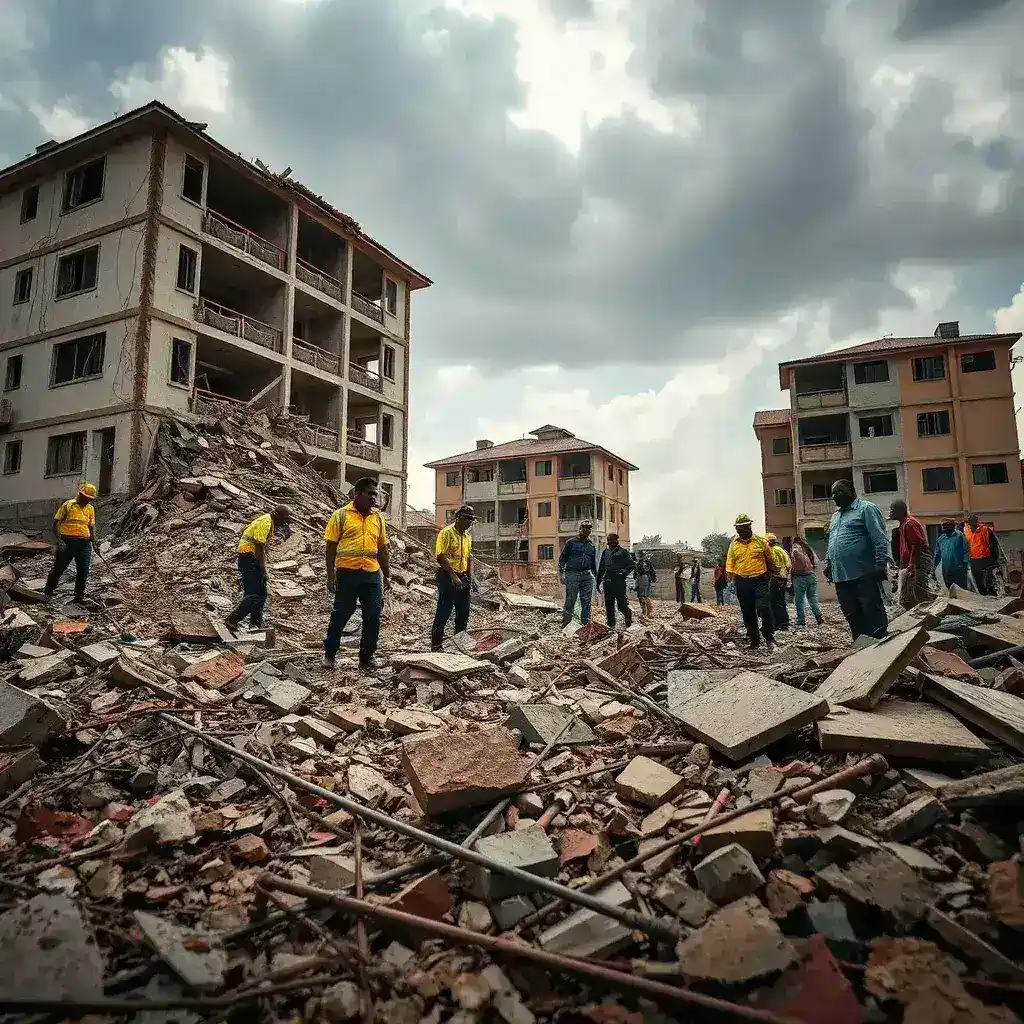
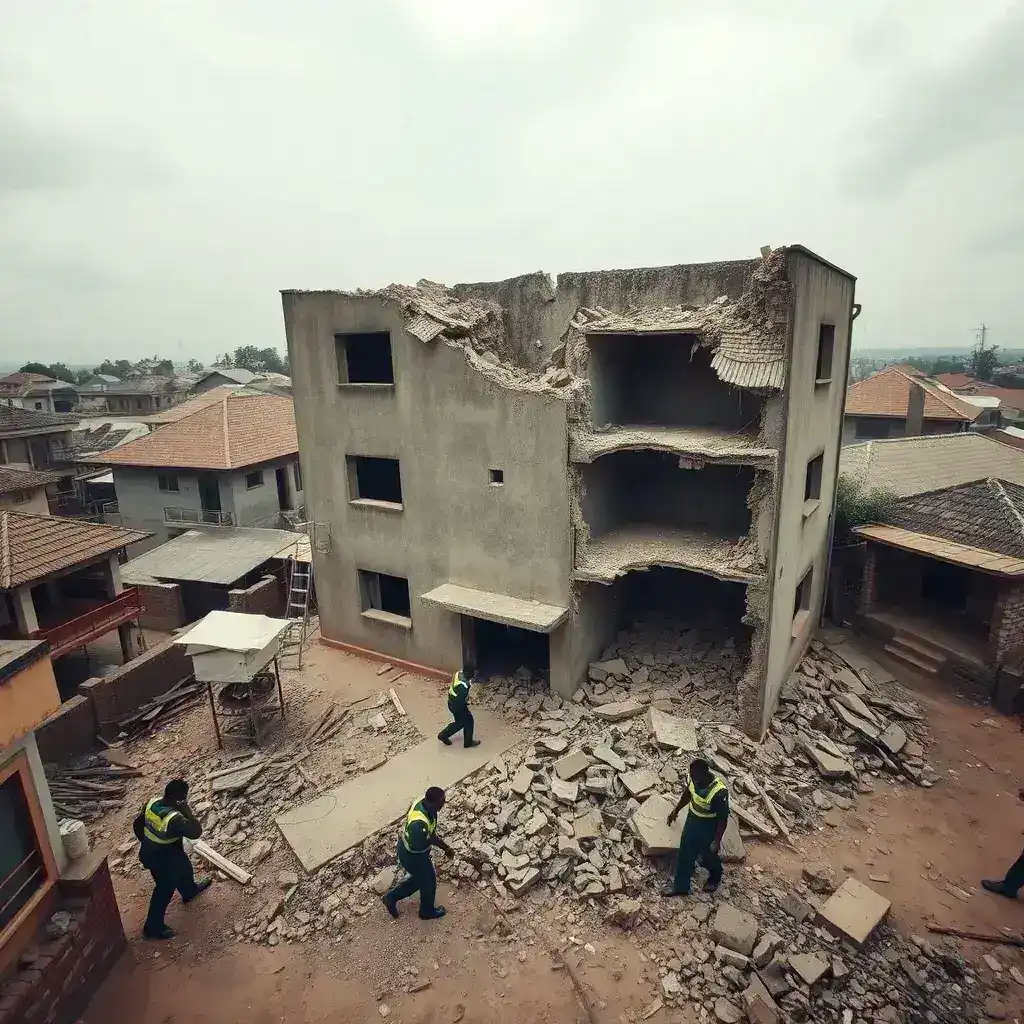
Accra, Ghana – An engineer investigating the collapse of a three-storey building in Avenor, North Kaneshie, on Sunday, June 7, has indicated that the structure was likely constructed without a permit from the Accra Metropolitan Assembly (AMA). The incident, which tragically claimed two lives and left two individuals hospitalized, has intensified scrutiny over building regulations and their enforcement in the capital.
Initial Findings and Permit Significance
Prince Kas-Avotri, an engineer with the Ghana Institute of Engineering, shared preliminary findings at the scene, stating that evidence pointed towards the absence of a building permit. “From what we are hearing, it looks like the assembly has not given out any permit,” Kas-Avotri told journalists. “We are here to confirm that fully, but the building has no permit.”
The lack of a permit carries significant implications for construction safety. It suggests that no approved architectural or engineering plans were in place to guide the building process, a critical step in ensuring structural integrity and compliance with safety standards.
“If a building has no permit, it means that there are no planned works signed by an architect or a built environment specialist or an engineer for the construction to go on,” Kas-Avotri explained. This absence means that vital safety checks and adherence to building codes may have been bypassed.
Ongoing Investigation and Early Stages
Kas-Avotri cautioned that the investigation is still in its nascent stages. “We are still in the preliminary stage. We picked some samples here. We’ll go and do some tests. We’ll do some models, and then we’ll come out with the actual findings of what has gone on,” he stated. He emphasized that a definitive cause for the collapse could not yet be determined.
A key part of the ongoing probe will involve attempting to ascertain if the building, despite the apparent lack of a permit, was constructed in line with any plans. The absence of official approval, however, significantly complicates this aspect of the investigation.
Broader Context and Recent Incidents
The collapse occurred in the early hours of Sunday, prompting a substantial emergency response. Personnel from the Ghana National Fire Service, NADMO (National Disaster Management Organisation), the Ghana Police Service, and the Ghana Armed Forces were involved in rescue and excavation operations, which have since concluded.
This incident is the second building collapse to occur in Accra within a single week. On June 3rd, a building collapsed in Adenta New Site following heavy rainfall, resulting in one fatality and four injuries. These back-to-back tragedies have amplified public and expert calls for more rigorous enforcement of building regulations and permit requirements across the capital city.
Expert Perspectives and Regulatory Calls
Industry experts have long warned about the dangers posed by unapproved structures and substandard construction practices. The Ghana Institution of Engineers and the Ghana Institute of Planners have repeatedly highlighted the need for strict adherence to building codes and the importance of proper permitting processes. These bodies often cite inadequate monitoring and enforcement by regulatory bodies as contributing factors to such recurrent disasters.
Data from previous building collapses in Ghana often points to a combination of factors including poor material quality, inadequate structural design, and illegal modifications made to existing structures. The preliminary findings in Avenor suggest that the failure to obtain a permit is a primary concern in this latest incident.
Implications for Public Safety and the Construction Industry
The apparent lack of a permit for the Avenor building raises serious questions about the effectiveness of the Accra Metropolitan Assembly’s oversight mechanisms. Residents in rapidly urbanizing areas often face challenges in verifying the legality and safety of new constructions.
For the general public, these collapses serve as a stark reminder of the inherent risks associated with unregulated construction. It underscores the importance of due diligence for individuals seeking to rent or purchase properties and for communities to report suspicious building activities.
The construction industry in Accra faces renewed pressure to reform its practices. Developers and builders are being urged to prioritize safety and compliance over expediency. Stakeholders are calling for increased collaboration between metropolitan authorities, professional bodies, and the public to ensure that all new constructions meet stringent safety standards and possess the necessary permits. The coming weeks will likely see further calls for legislative review and enhanced enforcement strategies to prevent future tragedies.








Leave a Reply