
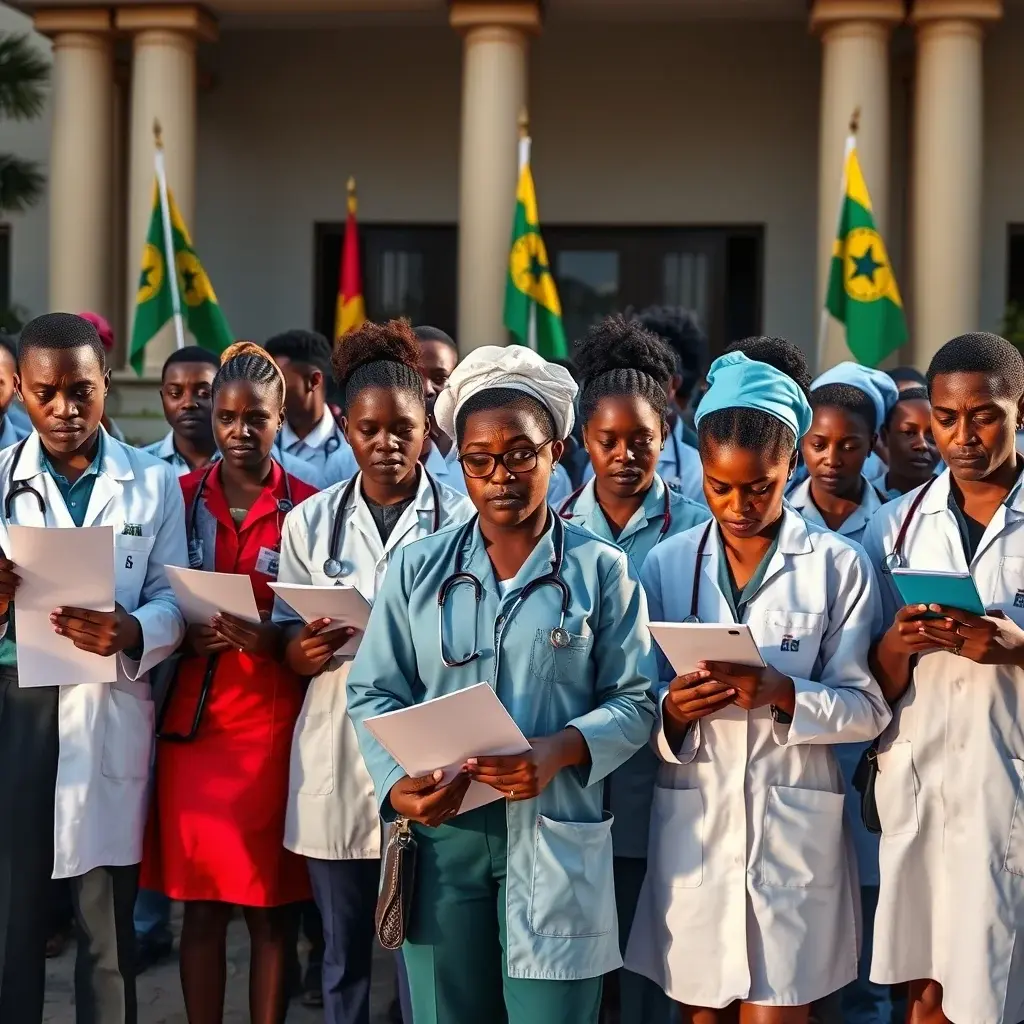
Accra, Ghana – A high-ranking official of the New Patriotic Party (NPP), Kwabena Frimpong, has sharply criticized the current government’s health professional recruitment process, labeling it as opaque, inconsistent, and unfair to newly trained graduates. Frimpong, the Deputy Protocol Director of the NPP, voiced these concerns during the PASAG National Week Celebration held at KAAF University.
Frimpong accused the administration of failing to uphold campaign promises made to the youth regarding employment opportunities. He specifically referenced a pledge for a “1:3:3 employment model” made by the current government, led by H.E. John Dramani Mahama during the election period. Instead, he argued, the government has implemented what he termed an “aviator-style” recruitment system.
This new approach, according to Frimpong, has replaced a previously established, structured, and predictable posting system within the health sector. He contrasted this with the tenure of the Akufo-Addo administration, which he stated regularized postings in 2019, ensuring fair treatment for trainees even amidst economic challenges.
“Each year group was treated fairly, and the process upheld transparency and respect for professional progression,” Frimpong stated, highlighting a perceived decline in these standards. He expressed dismay over the current practice of merging multiple graduating batches into a single recruitment pool. This consolidation, he warned, creates significant disparities among equally qualified health workers.
Frimpong illustrated the disparity by noting that a 2024 graduate might receive an immediate posting, while a health professional trained in 2021 could still be unemployed. He cautioned that such a system risks fostering favoritism and eroding confidence in the public employment process.
The NPP official also directed criticism towards Health Minister Kwabena Mintah Akandoh. Frimpong accused the minister of overseeing a recruitment process that directly contradicts his earlier public statements and stances on delays in recruitment. This, he implied, demonstrates a lack of commitment to resolving the persistent issue of graduate unemployment in the health sector.
To address these grievances, Mr. Frimpong urged the Ministry of Health to take immediate action. He called for the clearing of the backlog of unemployed health professionals. Furthermore, he advocated for the restoration of the year-group-based posting system and the publication of accurate vacancy figures. These measures, he believes, are crucial for enhancing transparency and ensuring fairness within the health sector’s employment landscape.
The implications of this recruitment system extend beyond individual job seekers. A consistent and transparent process is vital for maintaining morale among healthcare workers and ensuring a steady supply of qualified professionals to serve the nation’s healthcare needs. Inconsistent recruitment can lead to a brain drain as skilled individuals seek opportunities elsewhere. The demand for clarity and fairness in health sector employment remains a critical issue for the government to address.










Leave a Reply