
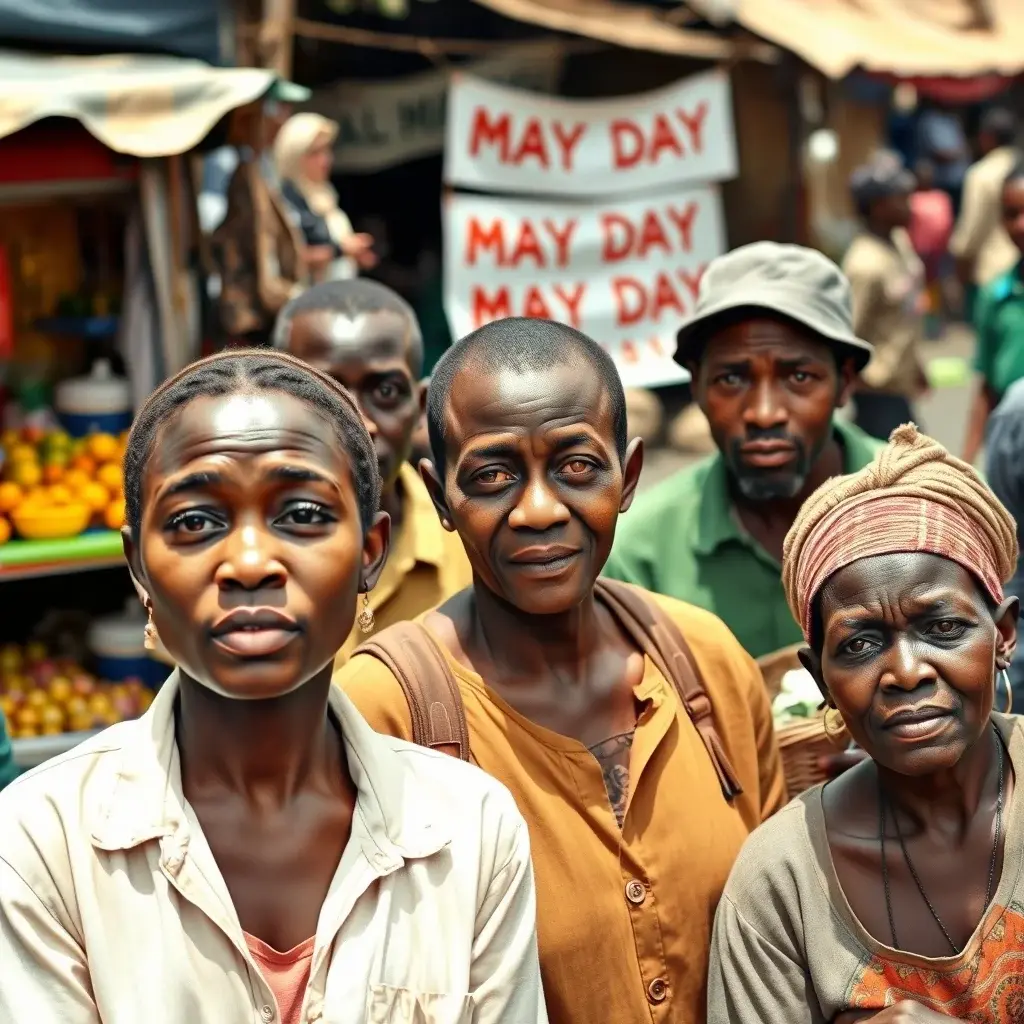
Accra, Ghana – May 1, 2024 – On International Workers’ Day, labourers across Ghana expressed that despite the symbolic recognition of May Day, their daily lives remain a struggle for survival, highlighting a significant gap between celebratory gestures and economic realities.
Context of May Day in Ghana
May Day, observed globally on May 1st, is dedicated to celebrating the contributions of workers to societal development. In Ghana, the occasion is traditionally marked by parades, solidarity marches, and addresses from labor union leaders and government officials, aiming to acknowledge the workforce’s role in the nation’s progress.
Calls for Action Beyond Celebration
This year’s May Day commemorations, however, amplified urgent calls for concrete action, particularly from those in the informal sector. These workers, who form a substantial part of Ghana’s labor force, report facing persistent challenges such as rising living costs and unstable incomes that threaten their livelihoods.
Food vendors, small-scale traders, and other informal business operators described a continuous cycle of strenuous work yielding insufficient financial returns. “The money we make is not enough to match the cost of living,” shared one individual, echoing sentiments of many who feel their earnings do not keep pace with escalating expenses.
Concerns about the lack of job security and inadequate social protection systems were also prominent. Workers voiced a need for policies that extend benefits like pensions and healthcare to informal sector participants, who often operate without these safety nets.
Economic Pressures and Worker Concerns
These demands arise amidst broader economic challenges in Ghana, including high inflation and a general increase in the cost of living. These pressures have significantly impacted household incomes and the sustainability of small businesses, exacerbating the daily struggles of workers.
While acknowledging the importance of May Day as a moment of recognition, many workers emphasized the necessity of ongoing dialogue. They are urging for sustained engagement between the government, employers, and labor unions to drive meaningful improvements in their working conditions.
Expert Perspectives and Data
Data from the Ghana Statistical Service indicates that the informal sector accounts for over 80% of employment in the country. This highlights the critical need for inclusive policies that address the specific vulnerabilities of this large segment of the workforce.
“The disconnect between May Day celebrations and the lived realities of many workers, especially in the informal economy, is a persistent issue,” stated Dr. Ama Koomson, an economist specializing in labor markets. “While symbolic recognition is important, it must be complemented by tangible policy interventions that improve wages, job security, and access to social protection.”
Implications for the Future
As the May Day celebrations conclude, the focus shifts to whether authorities will translate the amplified calls into practical measures. Workers are looking for more than just ceremonial acknowledgments; they seek demonstrable improvements in their daily lives, including better wages and enhanced job security.
The coming months will be crucial in observing whether the government and employers heed these demands. The success of such efforts will likely be measured by concrete policy changes and their impact on the financial stability and overall well-being of Ghana’s diverse workforce, particularly those in the informal sector.










Leave a Reply