
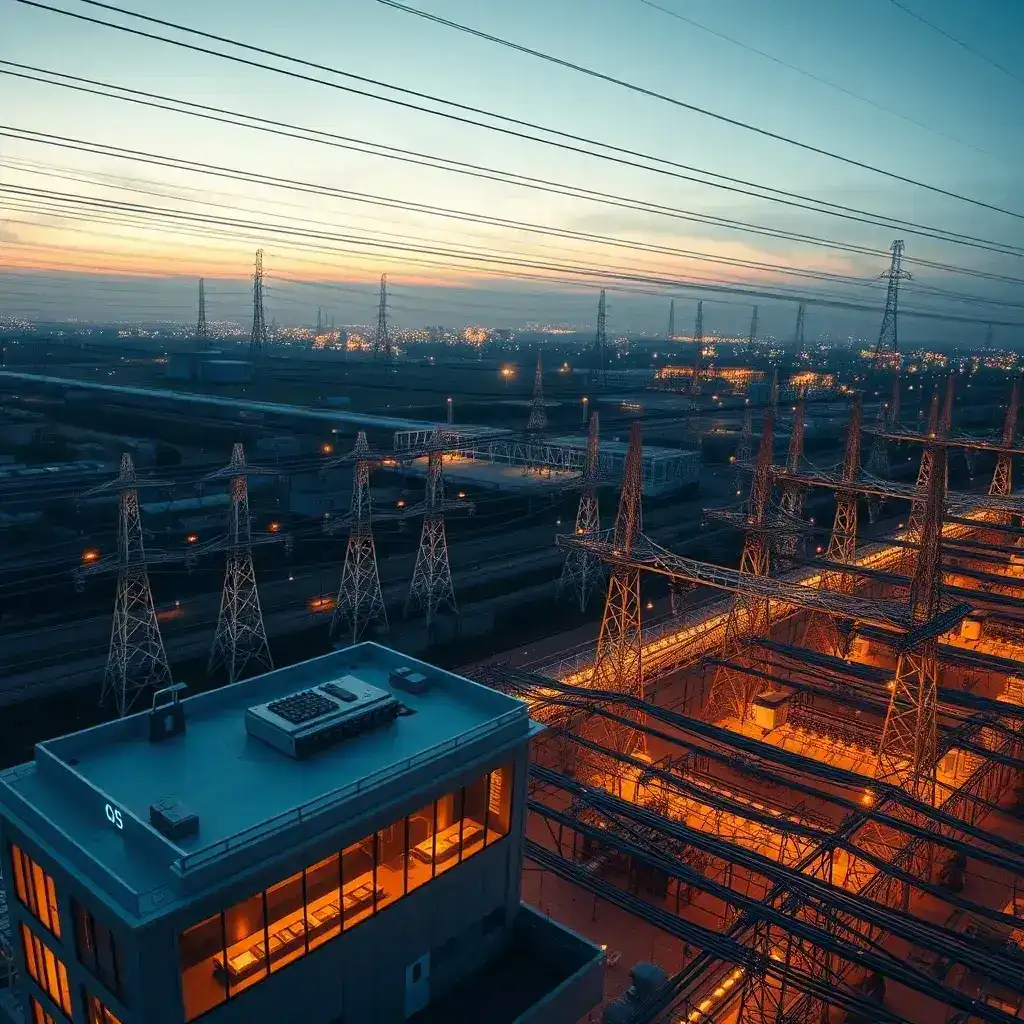
Accra, Ghana – Energy policy analyst Dr. Elikplim Kwabla Apetorgbor is urging the Ghanaian government to urgently invest in a resilient power systems security architecture, stating that reliable electricity supply can no longer rely solely on generation capacity. This call comes as the nation faces persistent power outages despite having sufficient installed generation capacity.
Dr. Apetorgbor’s detailed policy paper highlights that Ghana’s electricity reliability challenges extend beyond the traditional focus on increasing “megawatts.” Instead, the issue requires a broader approach through the lens of national security and infrastructure resilience.
Beyond Generation Capacity: A New Approach to Reliability
The expert argues that a modern electricity system must be capable of anticipating threats, absorbing shocks, isolating faults, and recovering quickly under pressure. This is a significant shift from simply ensuring adequate power generation.
Ghana’s 2024 power outlook projected a peak demand of approximately 3,788 megawatts against an installed capacity exceeding 5,000 megawatts. However, maintenance constraints and fuel supply challenges continue to threaten supply reliability, exposing deeper vulnerabilities in the country’s power architecture, according to Dr. Apetorgbor.
The Evolving Threat Landscape
Modern electricity systems are increasingly digitalized and interconnected. This digital transformation exposes critical infrastructure to a range of threats, including cyberattacks, operational disruptions, vandalism, communication failures, and climate-related disasters.
Dr. Apetorgbor emphasizes that power system security now encompasses more than just physical infrastructure like transformers and transmission lines. It requires collaboration among cybersecurity experts, telecom engineers, emergency planners, regulators, financiers, and national security agencies within an integrated framework.
The priority, he states, must shift from a narrow “more megawatts” strategy to a broader strategy focused on secure, intelligent, flexible, and resilient power systems.
Investing in the Entire Value Chain
The government must make significant investments in technologies that protect the entire electricity value chain. This includes generation, transmission, distribution, fuel supply, metering systems, and emergency recovery infrastructure.
Reliability indicators show that while Ghana has seen improvements in electricity distribution between 2018 and 2023, distributors like the Electricity Company of Ghana (ECG) and the Northern Electricity Distribution Company (NEDCo) have failed to meet critical outage frequency benchmarks in several areas. This underscores the need for deeper investment in distribution automation, smart metering, outage management systems, and fault isolation technologies.
Cybersecurity: A Critical Component of Energy Security
Ghana’s power infrastructure is now a cyber-physical system due to its growing dependence on digital platforms, including SCADA systems, smart meters, and remote operational technologies. Dr. Apetorgbor warns that this makes it vulnerable to cyber threats.
He calls for the establishment of a dedicated Power Sector Cybersecurity and Operational Technology Security Programme to monitor cyber threats in real time. Proposed measures include mandatory cybersecurity standards for utilities, stricter separation between IT and operational control systems, regular cyber-risk audits, and national incident-response simulations.
Globally, electricity cybersecurity is increasingly viewed as a matter of national security, as attacks can cripple essential services like hospitals, industries, and banking.
Strengthening Physical Infrastructure and Grid Automation
Beyond cybersecurity, Dr. Apetorgbor stresses the need for stronger physical protection of power assets. This includes substations, transformers, transmission towers, fuel pipelines, and control centers.
Investment in intelligent surveillance systems, thermal cameras, drone inspections, GIS-based asset monitoring, and rapid-response coordination with national security agencies is crucial. The security of transmission towers and substations should be treated with the same seriousness as airports or financial infrastructure.
Accelerated investment in grid automation technologies is also advocated to improve fault detection and service restoration. These technologies, such as advanced metering infrastructure and digital substations, provide utilities with real-time operational visibility, moving them away from relying solely on customer complaints to identify outages.
Ensuring Fuel Security
Fuel security is identified as a critical risk for Ghana’s thermal-dependent power system. Disruptions in gas supply can lead to simultaneous shutdowns of multiple thermal plants, exacerbating power instability.
Dr. Apetorgbor proposes a formal Fuel Security and Power Reliability Protocol. This protocol would include strategic fuel reserves, dual-fuel systems, emergency financing arrangements, and enhanced coordination between fuel suppliers and power plants.
Financial Health and Investment Strategies
The financial health of utilities is directly linked to power reliability. Financially distressed utilities often delay critical maintenance and resilience investments, leading to more severe system failures.
The government is urged to pursue financially sustainable yet socially sensitive electricity tariffs, improve public sector bill payment discipline, and strengthen utility balance sheets to support long-term investments. Prevention, he notes, is far cheaper than system collapse.
A National Resilience Programme
As part of his recommendations, Dr. Apetorgbor calls for the establishment of a National Power System Resilience and Security Investment Programme. This programme would focus on cybersecurity, transmission resilience, distribution automation, fuel security, physical asset protection, and institutional coordination.
Financing for such a programme could come from public-private partnerships, concessional financing, climate finance, and strategic government investment. While private sector participation is important, the government must lead the security architecture development, recognizing electricity infrastructure as a strategic national asset.
Reliable electricity is fundamental for industrialization, healthcare, education, banking, manufacturing, and digitalization. Dr. Apetorgbor concludes that Ghana’s ambition for a 24-hour economy hinges on developing a secure, intelligent, and resilient 24-hour power system.








Leave a Reply