
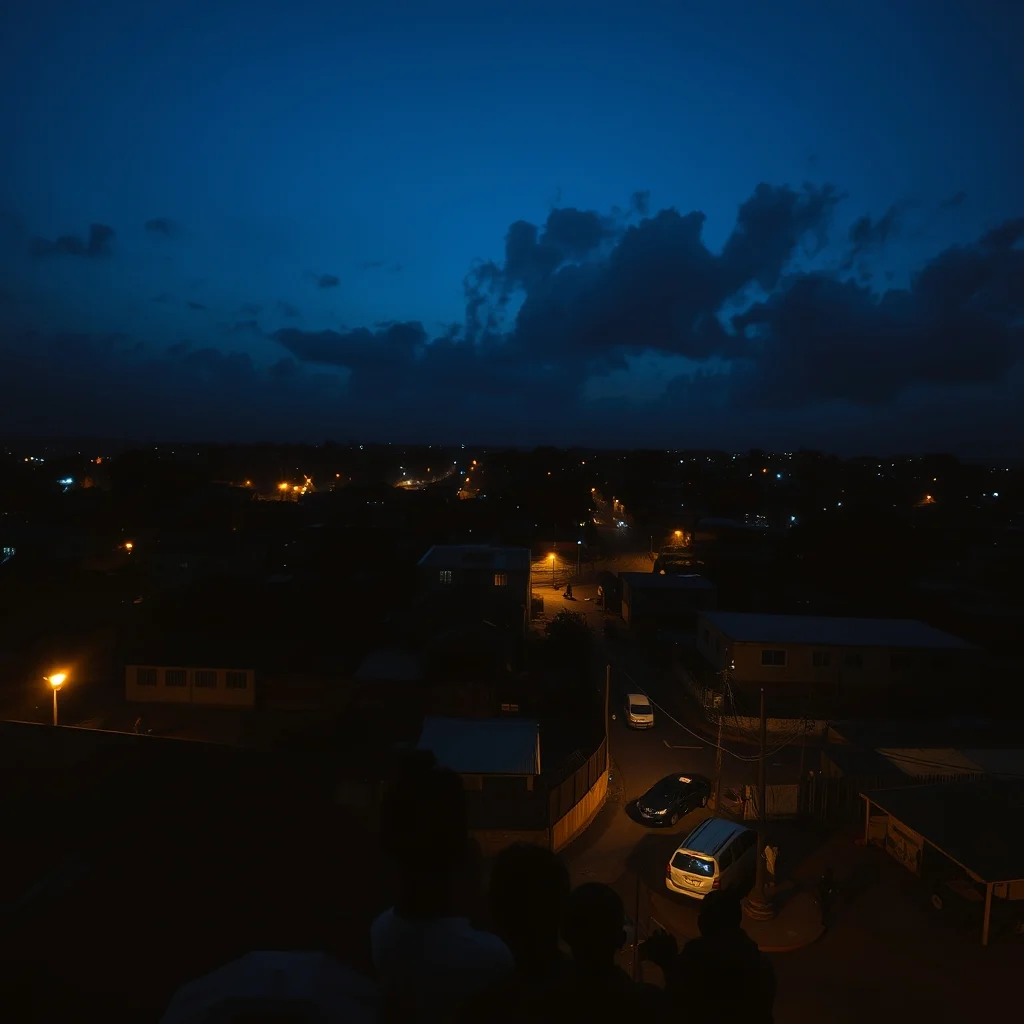
Ghana is set to continue experiencing intermittent power outages due to fundamental weaknesses in its electricity system, particularly in generation and distribution, according to Ben Boakye, Executive Director of the African Centre for Energy Policy (ACEP). Speaking on JoyNews’ Newsfile program on Saturday, May 2, Boakye highlighted that the current infrastructure is insufficient to guarantee a stable power supply, making disruptions unavoidable in the short term.
Structural Weaknesses in the Energy Sector
Boakye elaborated that the recurring power cuts observed across various communities are symptomatic of deeper structural issues within Ghana’s energy sector. These problems are most pronounced in the areas of power generation and the distribution network.
The existing system, he explained, does not meet the reliability standards necessary to provide uninterrupted electricity to consumers. This inherent lack of robustness means that power outages are an inevitable consequence of the current infrastructure’s limitations.
Understanding Transformer Replacements
While transformer faults are frequently cited as the cause of power disruptions, Boakye suggested this explanation is often oversimplified. He clarified that replaced transformers are not always defunct; in many cases, they are upgraded to higher capacity units to meet the growing electricity demands of a locality.
In a properly functioning power system, when a transformer’s capacity is outstripped by a community’s increasing energy needs, it is replaced with a more powerful unit. The older, still functional transformer is then redeployed to an area with lower demand, ensuring efficient resource utilization.
Utilities also have established methods for managing load, such as splitting electrical loads or installing additional transformers. These measures are designed to enhance voltage stability and ensure a more consistent power supply to consumers.
Transparency and Generation Deficits
Boakye raised concerns about the transparency surrounding the procurement and deployment of transformers. He noted that despite reports of large numbers of transformers being acquired, there is a lack of public information detailing the fate of the older units.
However, he emphasized that the primary challenge extends far beyond issues with transformers. Boakye pointed to significant deficits in power generation capacity as the more critical factor driving outages.
He issued a stark warning: any substantial reduction in the available power generation capacity will inevitably lead to load shedding across the country. “There is no way you can take off substantial generation capacity and not expect outages,” Boakye stated.
Call for Improved Communication
The ACEP Executive Director also advocated for enhanced communication from the relevant authorities, particularly during periods when power supply is strained. He suggested that providing the public with clear and accessible load-shedding schedules would significantly improve public awareness and preparedness.
Looking Ahead: Continued Disruptions
While acknowledging that efforts may be underway to address these systemic challenges in the medium to long term, Boakye cautioned Ghanaians to prepare for continued disruptions in their power supply. The fundamental issues within the generation and distribution infrastructure suggest that stable, uninterrupted power remains a distant prospect without significant reform.










Leave a Reply