
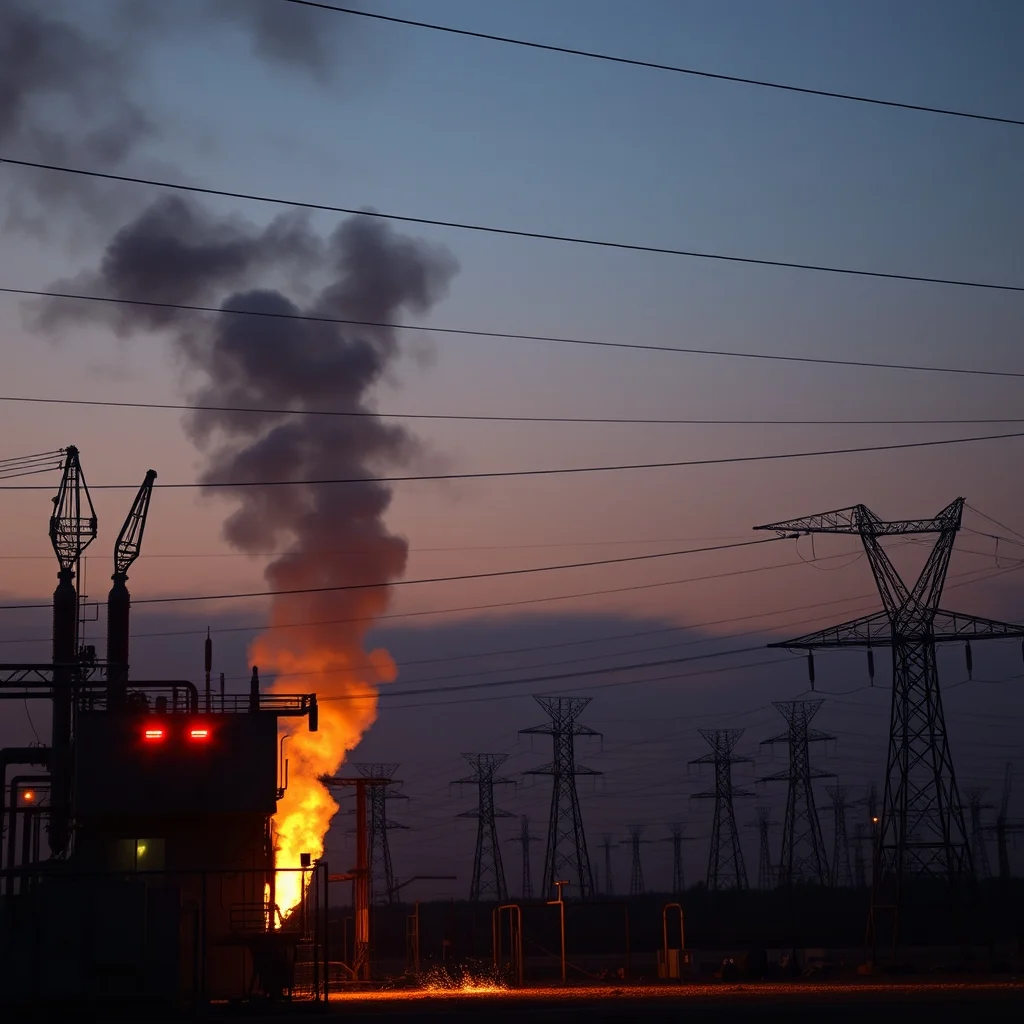
Accra, Ghana – Ben Boakye, Executive Director of the African Centre for Energy Policy (ACEP), has highlighted significant governance and safety lapses within Ghana’s power sector, attributing recurring infrastructure failures and system vulnerabilities to a pervasive lack of accountability. Boakye made these assertions on JoyNews’ Newsfile program on Saturday, May 2, following a recent fire incident at a Ghana Grid Company Limited (GRIDCo) substation near Akosombo, which he believes proper planning and modern safety protocols could have prevented.
Systemic Failures and Financial Costs
Boakye’s critique extends beyond isolated incidents, pointing to broader institutional practices that foster inefficiency and financial losses. He emphasized that basic operational standards are frequently neglected, leading to substantial economic consequences for the nation.
“We need to really look at how people get negligent. Accountability is defective in the energy sector,” Boakye stated. “Basic things don’t get done, and when they don’t, they cost us billions of dollars.”
Recurring Power Challenges and Forewarning
The ACEP Executive Director also referenced persistent power issues and low voltage complaints in regions like Kumasi. He revealed that ACEP had issued warnings about existing system weaknesses several years prior, which were allegedly not adequately addressed by the relevant authorities.
“We tried to pre-empt that situation three, four years back, when we sat and we told GRIDCo engineers that you are stumping political decisions that will come back to hurt the entire power system in the long to medium term,” Boakye explained.
Broader Context of Power Disruptions
These concerns emerge amid recent widespread power outages experienced across various parts of Ghana. Many citizens have reported intermittent supply and voltage fluctuations. While the Electricity Company of Ghana (ECG) leadership and the President have attributed these disruptions to necessary upgrades aimed at enhancing power supply and stability, Boakye’s comments suggest underlying systemic issues may be exacerbating the problem.
The Role of Governance in Infrastructure
Experts like Boakye argue that a robust accountability framework is crucial for maintaining critical infrastructure, especially in the energy sector. Such a framework ensures that decisions are based on technical merit and long-term sustainability rather than short-term political expediency.
The failure to implement preventative maintenance, invest in modern safety systems, and heed expert warnings can lead to cascading failures. These failures not only disrupt daily life and economic activities but also result in significant repair costs and potential loss of life or property, as seen in the Akosombo substation fire.
Implications for Consumers and Investment
The lack of accountability in the energy sector has direct implications for Ghanaian consumers, who face unreliable power supply, impacting households and businesses alike. Frequent power outages can cripple productivity, increase operational costs for industries, and deter foreign investment.
For the industry, weak governance can lead to a lack of investor confidence, making it harder to secure funding for essential upgrades and expansions. This creates a cycle of underinvestment and deteriorating infrastructure, further straining the system.
Looking Ahead: What to Watch
Moving forward, the focus will be on whether governmental and energy sector bodies implement stricter accountability measures. Observers will monitor the response to Boakye’s criticisms, particularly regarding the investigation into the Akosombo incident and the implementation of recommendations to prevent future failures. The effectiveness of ongoing infrastructure upgrades, coupled with transparent reporting on their progress and impact, will be key indicators of potential improvements in the sector’s reliability and safety.










Leave a Reply