
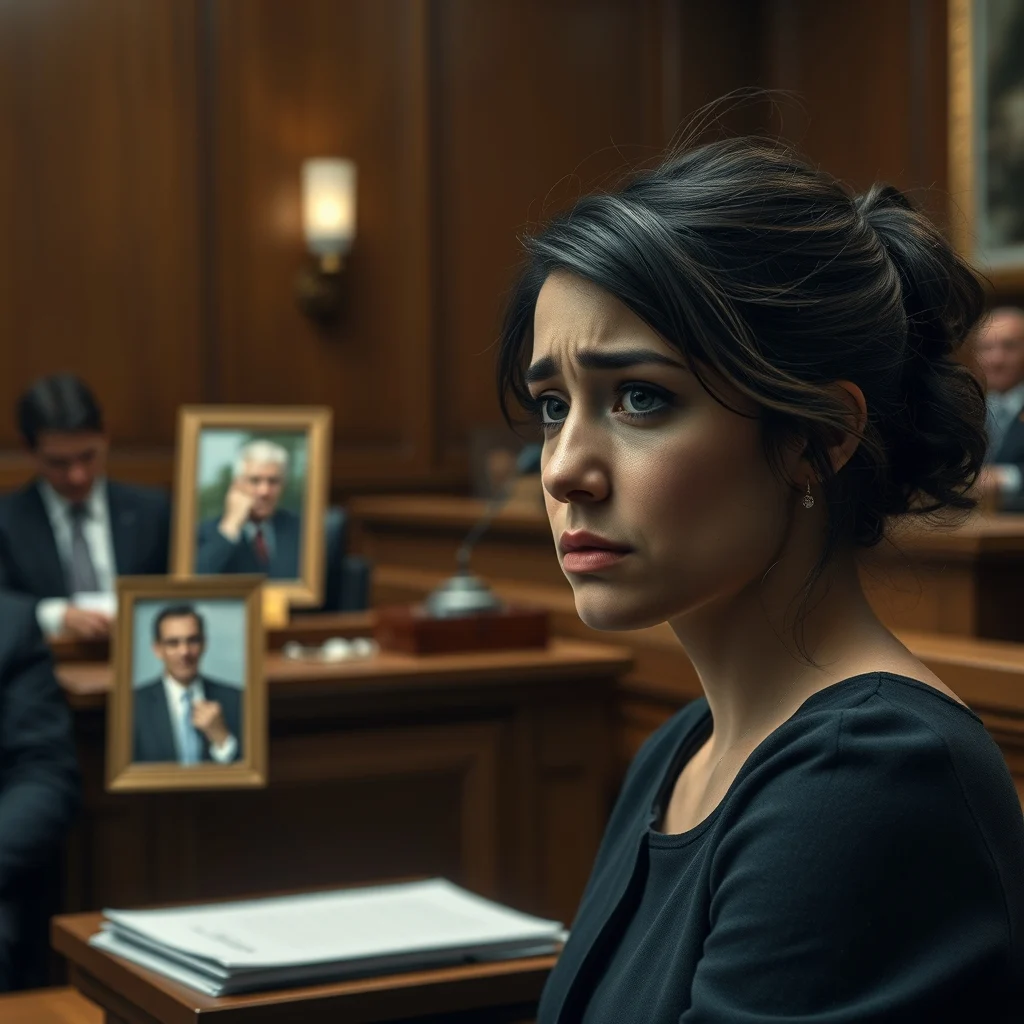
Sheina Gutnick, daughter of Reuven Morrison who was killed in a December shooting at a Bondi Beach Hanukkah event, has described receiving death threats and witnessing a societal shift that allows antisemitism to be ‘allowed into the open’. Her testimony marks the first appearance before Australia’s royal commission into antisemitism, established following the attack that claimed 15 lives.
The commission, led by former High Court judge Virginia Bell, commenced public hearings in Sydney on Monday. Gutnick recounted how some sought to justify the attack as merely ‘anti-Zionist’, a sentiment she found deeply unsettling and indicative of a broader societal change since October 2023. She stated that antisemitic comments had become ‘socially, morally acceptable in public discourse’.
Context of the Attack and Commission
The Bondi shooting occurred in December, when gunman Sajid Akram, 50, opened fire at a Hanukkah event. Akram was killed by police at the scene, while his son, Naveed Akram, the other alleged attacker, was critically injured and subsequently charged with 59 offences, including 15 counts of murder and one of committing a terrorist attack.
Gutnick’s father, Reuven Morrison, was a victim who died while attempting to stop the attackers by hurling objects at them. Morrison, who had fled the USSR at 14, was described by his daughter as ‘deeply proud’ of his Australian identity. The family’s connection to Bondi Beach, where her parents met, now carries ‘complicated’ feelings for Gutnick.
Broader Impact and Testimonies
Another witness, identified only as AAL, shared a similar sentiment of disillusionment. Having moved to Australia from South Africa in the 1980s and embracing the country as home, AAL expressed distress over the changing climate. During testimony, he became emotional, questioning whether Australia was still a suitable country for his grandchildren.
The royal commission has received nearly 7,500 submissions to date. The initial phase of public hearings, running until May 15, is dedicated to exploring the lived experiences of antisemitism in Australia. This focus aims to capture the personal impact of rising hostility.
Interim Findings and Recommendations
Prior to the public hearings, Virginia Bell released an interim report outlining 14 recommendations. These include an urgent review of gun laws and the extension of police protection arrangements, currently in place for Jewish high holy days, to encompass other significant Jewish events. This suggests a recognition of ongoing security concerns within the community.
Bell has acknowledged a ‘sharp spike’ in antisemitism, mirroring trends in other Western nations and directly linking it to ‘events in the Middle East’. She emphasized the importance of understanding how swiftly global events can trigger ‘ugly displays of hostility towards Jewish Australians simply because they are Jews’.
Implications and Future Outlook
The testimonies presented at the royal commission highlight a perceived erosion of safety and acceptance for Jewish Australians. The shift described by Gutnick and AAL suggests that the community feels increasingly vulnerable, with a normalization of antisemitic discourse impacting their sense of belonging.
The commission’s findings and final report, due on the anniversary of the shooting, are expected to shape policy and public awareness regarding antisemitism. The focus on lived experiences underscores the human cost of this rising intolerance. The extended policing recommendations hint at a proactive approach to immediate security needs, while the broader call for gun reform addresses a systemic issue.
Moving forward, the public hearings will continue to shed light on the multifaceted nature of antisemitism in Australia. The community and policymakers will be watching closely to see how the commission’s final recommendations translate into tangible actions to combat hatred and ensure the safety and inclusion of all Australians.


Leave a Reply