
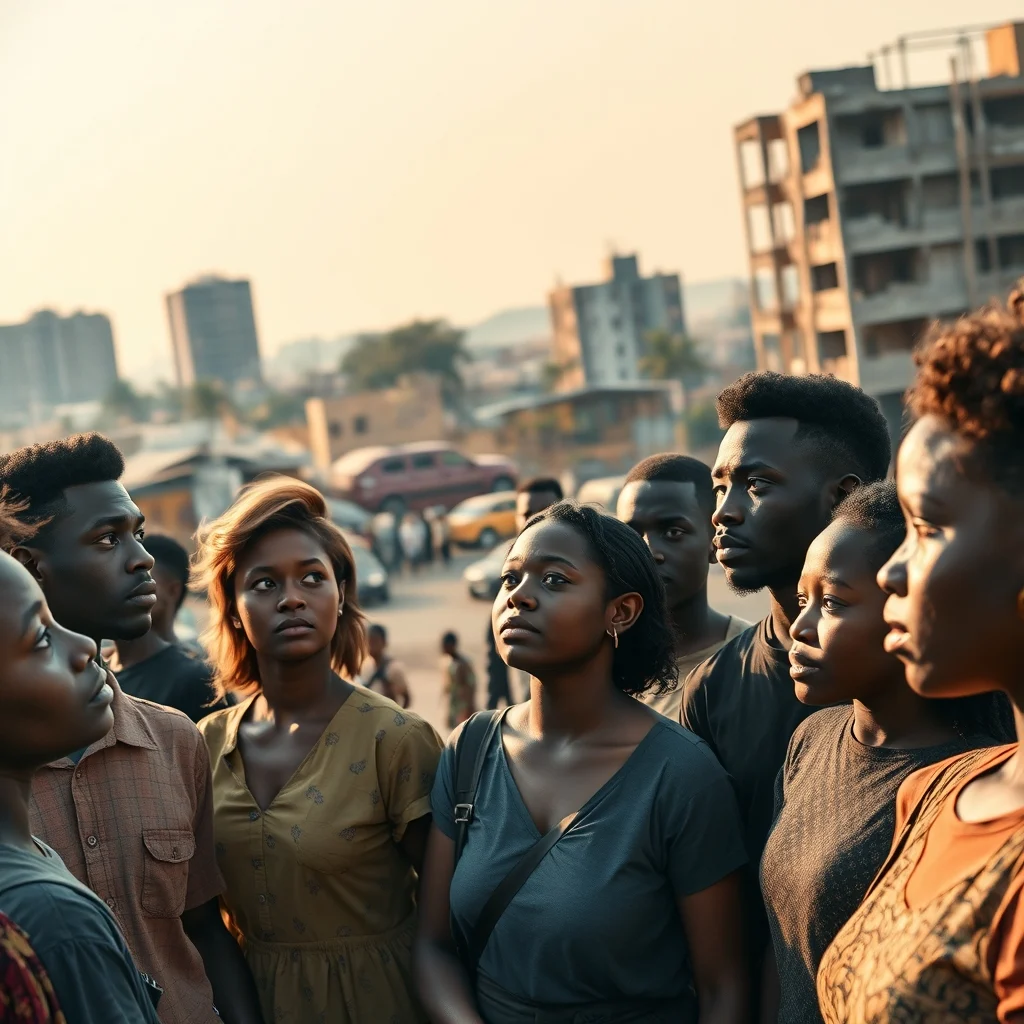
Accra, Ghana – As Ghana marks 33 years under its 4th Republican Constitution, a pervasive sentiment among its youth questions the extent of tangible improvements in key aspects of daily life since the return to multi-party democracy in 1992. A critical self-assessment reveals persistent struggles in education, healthcare, security, housing, sports, and employment, despite decades of successive leadership and policy interventions.
Education: Learning Under the Skies Persists
The foundational pillar of education, from basic schooling through tertiary levels, remains a significant concern. Despite 33 years of democratic governance, the stark reality of students still learning under trees in 2026 underscores a failure to address fundamental infrastructure needs. Questions linger about the substantial improvements in teacher incentives, modern teaching methodologies, and the overall quality of Ghanaian students that one might expect after three decades.
Healthcare: A System Under Strain
Healthcare delivery, a critical barometer of national well-being, continues to face profound challenges. The persistent ‘no bed syndrome’ leads to preventable deaths, including tragic maternal mortality cases. Healthcare professionals frequently advocate for improved conditions of service, often resulting in disruptive strikes. Compounding the issue, Ghana grapples with the paradox of over 50,000 unemployed healthcare workers, including doctors and nurses, while facing a critical shortage relative to international patient-to-staff ratios.
Security: Unease in the Neighborhoods
Despite retooling efforts over the past 33 years, a palpable sense of insecurity pervades many Ghanaian communities. Residents question their safety, particularly when commuting after dark. Frequent reports of inter-community clashes resulting in fatalities raise concerns about the efficacy of intelligence gathering and preventive measures by security and intelligence agencies.
Housing and Rent: A Widening Deficit
Ghana’s population has nearly doubled since 1993, now estimated around 33 million, exacerbating an already critical housing deficit projected at 1.5 million units. Despite various government housing policies, challenges persist, with high rent charges and the common demand for more than six months’ advance rent, often flouting existing laws. The Rent Control Department’s perceived failure has eroded public trust, leaving citizens vulnerable to market forces and desperation.
Sports: Declining Spectacle and Unfulfilled Potential
While sports foster national unity, Ghana’s sporting landscape, particularly football, shows signs of decline. Poor infrastructure and a narrow focus on football have diminished local league attendance, with even high-profile matches struggling to fill stadiums. The welfare of athletes, including the timely payment of bonuses, remains a recurring controversy. The Black Stars’ prolonged 42-year wait for an AFCON title, compounded by recent failures to qualify or advance, highlights a systemic issue.
Music and Arts: A Glimmer of Hope Amidst Neglect
The music and arts sector stands out as an area where Ghanaian talent has achieved international recognition, largely driven by independent efforts rather than state intervention. However, this success is overshadowed by the state’s neglect of critical infrastructure, such as the National Theatre, which suffers from poor maintenance. The lack of modern event venues poses safety risks, highlighting a disconnect between artistic vibrancy and state support.
Infrastructure: The Pervasive Problem of Poor Roads
Complaints about poor road infrastructure are widespread across all regions, impacting agricultural trade and access to essential services like healthcare. The quality of newly constructed roads is frequently contrasted unfavorably with those built decades ago. Allegations of corruption, kickbacks, and cronyism in awarding road contracts to inexperienced companies are cited as reasons for the subpar quality and rapid deterioration.
Unemployment: A National Security Threat
Youth unemployment is identified as a major crisis, with a former national security minister deeming it a national security threat. Despite numerous government programs aimed at job creation and entrepreneurship, most have proven unsustainable, yielding few tangible results. The scarcity of homegrown Ghanaian businesses that have grown into international brands, capable of absorbing the large youth population, points to a need for strategic state support for the private sector, free from nepotism and cronyism.
The Call for Accountability
The introspection initiated by Ghana’s youth reveals a significant gap between the promise of democratic governance and the lived reality for many citizens. The recurring challenges across vital sectors suggest a need for a serious national conversation on leadership effectiveness and a demand for greater accountability. The current trajectory raises concerns about the legacy being passed on to future generations.
Looking Ahead
As Ghana navigates its future, the focus will likely shift towards demanding concrete policy actions and measurable outcomes in areas critical to citizen welfare. The effectiveness of upcoming government initiatives in addressing youth unemployment, improving infrastructure, and bolstering the healthcare system will be closely scrutinized. Furthermore, the growing awareness among the youth may translate into increased civic engagement and a stronger push for transparent and responsive governance, setting the stage for potential shifts in political discourse and electoral priorities.










Leave a Reply