
Accra, Ghana – April 2026 saw inflation primarily fueled by escalating prices in housing and food categories, according to the latest report from the Ghana Statistical Service (GSS). Despite these key drivers, the data reveals a mixed economic landscape with varying price trends across different sectors.
Housing and Food Lead Price Increases
The housing, water, electricity, gas, and other fuels sector experienced significant price pressures, making a substantial contribution to the overall inflation rate for April. This category has consistently been a major factor influencing the general price level.
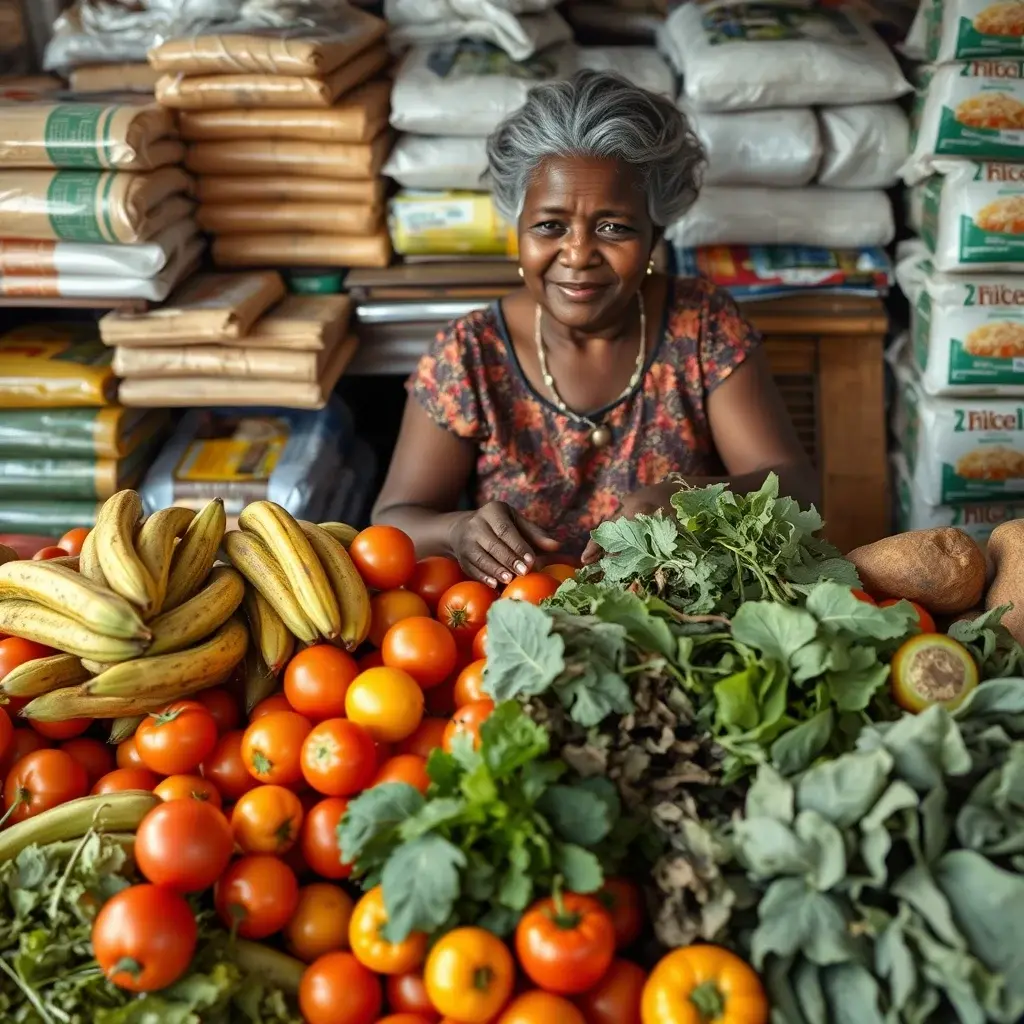
Similarly, food and non-alcoholic beverages continued their upward trajectory. Sustained price increases in this essential sector reinforce its ongoing impact on the cost of living for Ghanaian households.
Mixed Sector Performance
While housing and food dominated the inflation narrative, other sectors presented a more varied picture. Education services saw moderate price gains during the month.
In contrast, restaurants and accommodation services observed a slowdown in their price growth rates. Clothing and footwear, along with recreation, sport, and culture, also recorded relatively subdued price increases, indicating stability in these areas.
Further stability was noted in furnishings, household equipment, and routine household maintenance, as well as in alcoholic beverages, tobacco, and narcotics. These categories showed modest changes, reflecting a generally calm price environment.
Personal care and miscellaneous goods and services, alongside insurance and financial services, exhibited minimal adjustments, suggesting low volatility in these specialized markets.
Contrasting Trends and Volatility
However, the GSS report also highlights contrasting movements in other key sectors. The information and communication sector recorded slight price declines, offering some relief to consumers in this area.
The health sector, on the other hand, experienced notable fluctuations in service costs. This volatility may present challenges for individuals and families managing healthcare expenses.
Transport costs also showed volatility, reflecting ongoing adjustments in fares and the dynamic nature of fuel-related expenses. These fluctuations can have a ripple effect on other economic activities and household budgets.
Overall Economic Outlook
Despite the uneven price movements across various sectors, the GSS report suggests that the broader inflation outlook is showing signs of stabilization. The divergence in sector trends indicates a complex economic environment that requires careful monitoring.
For consumers, the persistent rise in housing and food prices remains a primary concern, impacting household budgets significantly. The mixed signals from other sectors suggest that while some areas offer stability or even slight decreases, the overall cost of living is still heavily influenced by essential goods and services.
The GSS data will be crucial for policymakers in understanding these nuanced trends. Addressing the drivers of inflation in housing and food, while navigating volatility in sectors like health and transport, will be key to fostering broader economic stability and affordability in Ghana.
Looking ahead, attention will remain focused on the sustainability of price increases in housing and food. Additionally, the GSS will continue to monitor the recovery or continued volatility in sectors like health and transport, as these will shape the overall inflation trajectory and consumer sentiment in the coming months.










Leave a Reply