
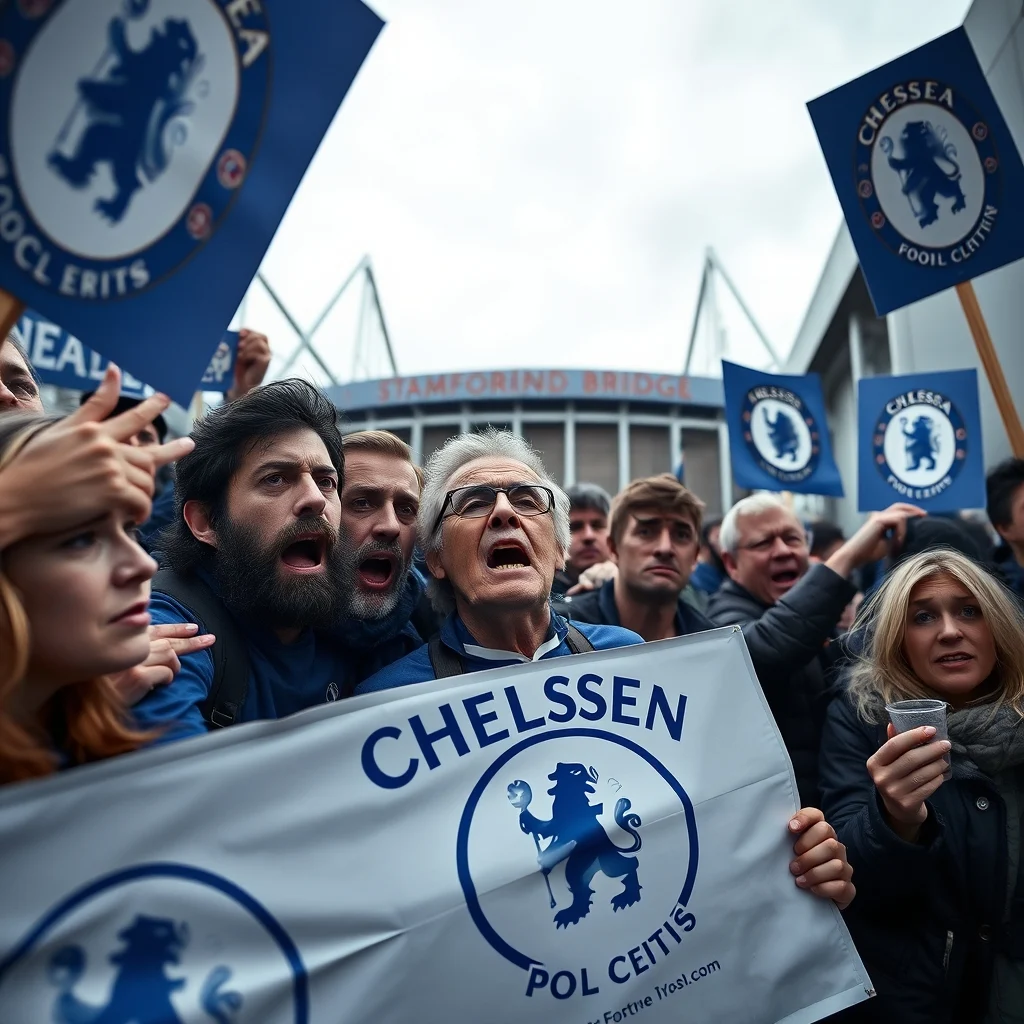
Chelsea FC’s ownership, BlueCo, led by Todd Boehly and Clearlake Capital, is confronting significant fan backlash following a dismal 3-1 Premier League defeat to a reserve Nottingham Forest side on Monday. This loss effectively ends their hopes of securing a Champions League spot, a key pre-season objective, marking a critical juncture for the ownership group as fan anger intensifies.
Growing Fan Disconnect
Chants like “We don’t care about Clearlake; they don’t care about us” have become a vocal expression of fan sentiment. This growing irate fanbase points to a wider disconnect, exacerbated by the club’s search for its sixth permanent manager in just four years and dissatisfaction with ticketing policies.
Chelsea’s latest financial reports reveal a Premier League-record pre-tax loss of £262 million. The club also operates under a settlement agreement with UEFA, which regulates player spending. It is against this backdrop that BlueCo, the holding company formed by Boehly and his allies along with majority investor Clearlake, faces scrutiny.
A fringe but influential fan movement, Not A Project CFC, is spearheading calls for major change. They have organized protests, including one planned before the FA Cup final and another urging fans to turn their backs in the 22nd minute of the final home game, symbolizing the year BlueCo acquired the club from Roman Abramovich.
Missteps and Management Instability
The club’s recent decision to host Tottenham head coach Roberto de Zerbi in their directors’ box, ostensibly for scouting, was poorly received by a fanbase prioritizing rivalry. This incident, alongside poor on-field results, has deepened the feeling of fans being misunderstood and ignored.
Since the departure of Roman Abramovich, nearly all key personnel in the men’s team, from players to executives and football staff, have been replaced. Former head coach Mauricio Pochettino cited a lack of alignment with his “vision” and a preference for data over human connection as reasons for his departure.
His successor, Enzo Maresca, also departed after disagreements over transfers, salary, and perceived interference in player management. Liam Rosenior, the subsequent manager, emphasized culture and fan relations but lost the dressing room before his vision could be fully implemented.
This coaching instability has led to public concerns from current players like Enzo Fernandez and Marc Cucurella regarding their futures. Fernandez’s agent has indicated his client feels underpaid, though his long-term contract makes renegotiation complex, especially with the club’s financial constraints.
Player Contracts and Fan Engagement
Wayne Rooney has publicly questioned the wisdom of nine-year contracts, calling them “absolute madness” for players. Chelsea maintains its incentive-based contracts, including bonuses for Champions League qualification, are market-aligned, reflected in their third-highest wage bill.
However, the club has been outbid for players, and the rapid player trading has alienated some supporters. Dave Johnstone, editor of the CFCUK fanzine, noted an “all-time low” in rapport between players and supporters, with current players appearing detached from the fanbase.
Ownership’s Path Forward
Chelsea’s statement following Rosenior’s sacking suggested a more humble approach, acknowledging the need for a “process of self-reflection” for the next head coach appointment. This contrasts with earlier, more ambitious proposals from the ownership, such as the controversial all-star match idea.
Co-owner Behdad Eghbali has admitted the need to “tweak the plan if it’s not working,” acknowledging that the sacking of Thomas Tuchel “didn’t work out.” He emphasized the importance of signing leaders and experienced Premier League players.
Eghbali, a key figure in Clearlake’s majority ownership, is reportedly hands-on in key transfer negotiations and club-to-club talks. Despite past rifts, relations between Clearlake and Boehly are said to have stabilized.
The club maintains its objective of winning trophies and qualifying for the Champions League, which is crucial for offsetting financial disadvantages like their stadium capacity and commercial revenue compared to rivals. They remain committed to playing in European competitions, even under UEFA’s stricter financial regulations.
Looking Ahead
Chelsea is now focused on appointing its sixth permanent manager, with Andoni Iraola, Marco Silva, and Xabi Alonso reportedly in contention. While structural successes have occurred, the failure to secure managerial stability has hampered consistent winning and the rebuilding of a strong connection with supporters.
The coming weeks will be crucial as Chelsea navigates its managerial search and prepares for the FA Cup final. The club’s ability to address fan concerns, achieve on-field success, and foster a more cohesive relationship with its supporters will be key indicators of BlueCo’s long-term viability and vision for the club.








Leave a Reply