
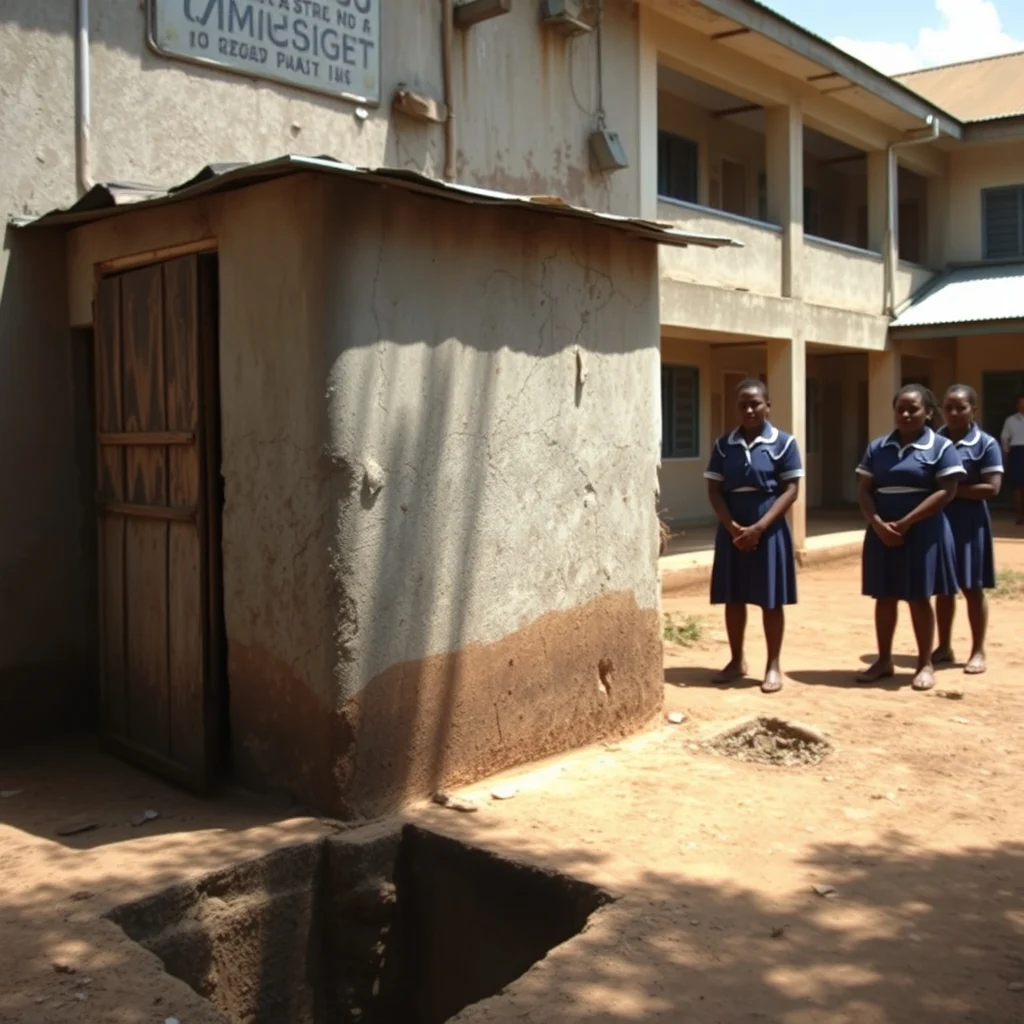
Adidome Senior High School in the Central Tongu District of the Volta Region is grappling with an escalating health concern, primarily increased cases of Candida infections among female students, directly attributed by school management to severely dilapidated toilet facilities and a lack of modern sanitation infrastructure.
Context of Growing Health Concerns
The alarming situation was brought to light by the school’s headmaster, Dr. Vincent Dzidula Kwasi Atiku, during a recent event marking the commissioning of a solar-powered mechanized borehole for the school. He stated that the current pit latrine facility, which has been in use since the school’s inception, is in a state of disrepair, posing significant health and hygiene risks to the student population.
Dr. Atiku emphasized that the school’s infrastructure development has not kept pace with its expanding student numbers. This deficit extends beyond sanitation, impacting essential areas like student accommodation and classroom resources. Many students reportedly lack adequate bedding, leading to them sleeping on the floor and facing exposure to mosquitoes.
Infrastructure Deficit Exacerbates Health Risks
The headmaster detailed the critical state of the existing pit latrine, noting its age and poor condition as a direct contributor to the rise in Candida infections. This common fungal infection can lead to discomfort and various health complications, particularly when hygiene standards are compromised.
Beyond sanitation, the school faces severe shortages in dormitory spaces for both male and female students. This forces many into overcrowded and substandard living conditions. Furthermore, there is a pressing need for additional classroom blocks to accommodate the growing student body and facilitate effective teaching and learning.
Urgent Appeal for Stakeholder Intervention
Dr. Atiku made a strong appeal to all stakeholders, including government bodies, educational authorities, and potential donors, for urgent intervention. He stressed that addressing the infrastructure deficit, with a particular focus on modernizing toilet facilities and improving accommodation, is paramount to safeguarding the health and welfare of the students.
“Addressing these infrastructure challenges, particularly sanitation and accommodation, is critical to improving the welfare and health of our students,” Dr. Atiku stated. The school community is actively seeking support to provide modern toilet facilities, expand classroom capacity, and enhance residential infrastructure to mitigate the ongoing challenges.
Implications for Student Welfare and Education
The current state of infrastructure at Adidome SHS highlights a broader issue of resource allocation and development in educational institutions, especially in underserved regions. The direct link drawn between poor sanitation and health issues like Candida infections underscores the immediate need for investment in basic hygiene facilities.
Failure to address these fundamental needs not only jeopardizes student health but also impacts their ability to concentrate on their studies and achieve their full academic potential. The lack of adequate accommodation further compounds these issues, creating an environment that is not conducive to learning.
Looking Ahead: A Call for Action and Sustainable Solutions
The situation at Adidome SHS serves as a stark reminder of the essential role that adequate infrastructure plays in supporting education and student well-being. As the school community awaits a response to their urgent appeal, attention will be on how quickly and effectively stakeholders can mobilize resources to provide the necessary upgrades.
The long-term implications hinge on whether this situation prompts a more comprehensive review of sanitation and accommodation standards in similar educational facilities across the region. Observers will be watching to see if this incident spurs significant investment in modernizing school infrastructure, ensuring a healthier and more productive learning environment for all students.










Leave a Reply