
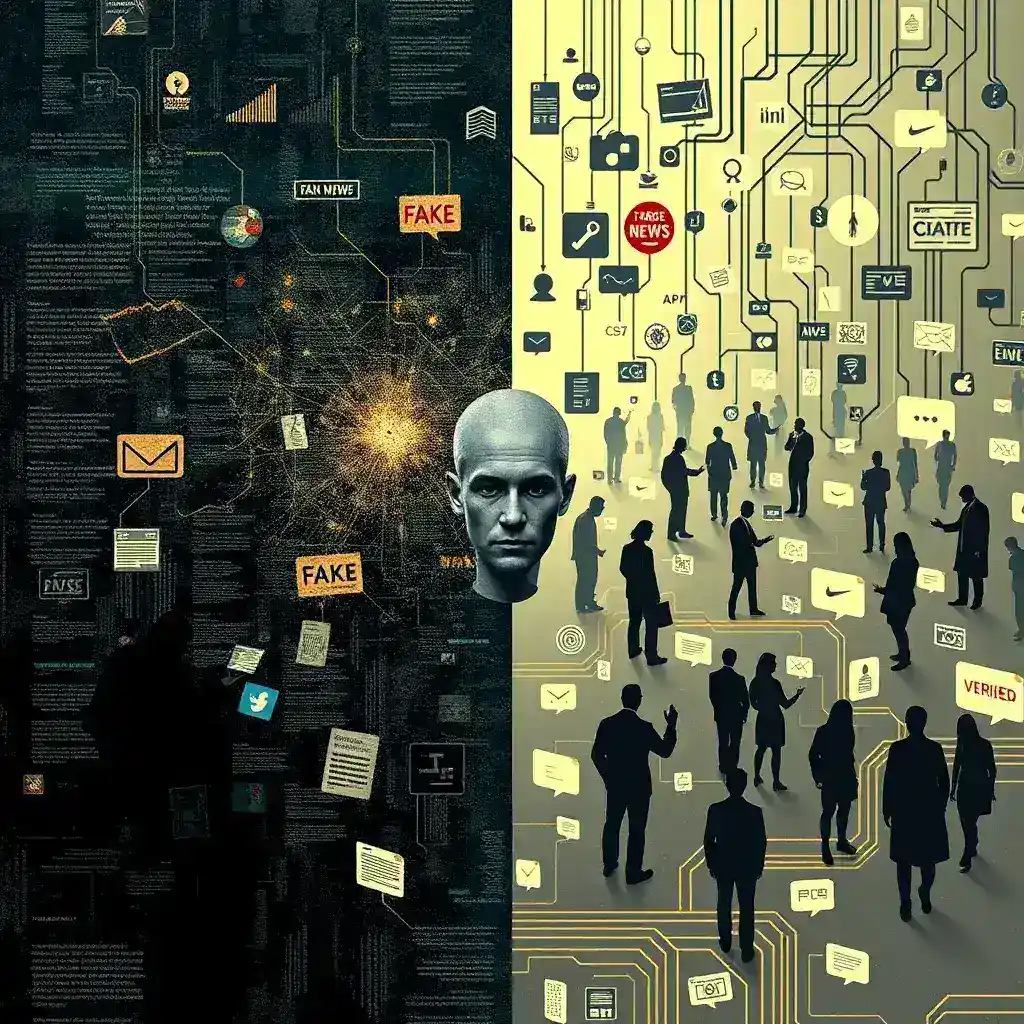
Accra, Ghana – Government spokesperson Felix Kwakye Ofosu has declared that the escalating proliferation of disinformation constitutes a significant threat to Ghana’s democracy, national security, and public health. Ofosu made these remarks on Wednesday during an event hosted by the British High Commissioner to commemorate World Press Freedom Day, highlighting the nation’s struggle with an “information integrity” crisis fueled by fake news, manipulated content, and politically motivated misinformation.
Information Integrity Crisis
The digital age, Ofosu lamented, allows falsehoods to spread with unprecedented speed, outpacing the dissemination of truth. He characterized coordinated disinformation campaigns, the rise of deepfakes, and attention-grabbing misinformation as potent tools capable of exacerbating political and ethnic divisions within the country.
“This is not just a media problem. It is a national security problem. It is a public health problem, and it is a democratic problem,” he stated emphatically.
Erosion of Trust and Democratic Fragility
According to the government spokesperson, the constant barrage of false information erodes public trust in institutions, thereby weakening state structures and jeopardizing democratic stability. When citizens lose the ability to discern truth from falsehood, the foundations of democracy become precarious.
Ofosu, who is also the Member of Parliament for Abura Asebu Kwamankese, argued that the solution to disinformation should not involve censorship. He cautioned that censorship often breeds suspicion and drives information into clandestine channels.
Proactive Government Communication and Press Freedom
Instead, he advocated for swifter and more effective responses, drawing a clear line between censorship and legal action against the criminal misuse of digital platforms. The government, he affirmed, is actively working to counter misinformation by providing timely and accurate information through regular briefings and official communication channels.
“That is why the government communication office that I lead has worked to proactively put out accurate information in a timely manner,” Ofosu explained.
He reiterated the government’s commitment to upholding press freedom and protecting media rights. Ofosu emphasized that good journalism serves as an ally to governments, not an adversary, by holding power accountable and safeguarding public interest.
“When a reporter investigates a contract gone wrong, they are not attacking the state. They are protecting the taxpayer,” he noted.
The spokesperson pledged that no journalist would face harassment, detention, or threats for performing their lawful duties. He also defended the Right to Information Act, asserting that transparency is a fundamental right, not a discretionary favor.
Call for Media Accountability
However, Ofosu challenged journalists and media organizations to uphold stringent ethical standards and ensure accuracy in their reporting. He warned against the amplification of unverified allegations and disinformation for increased engagement, labeling such practices as harmful.
He urged the Ghana Journalists Association and the National Media Commission to bolster self-regulation and enforce ethical guidelines. “Public trust is your greatest capital. Do not spend it for a headline,” he advised media practitioners.
Institutional Transparency and Democratic Renewal
Furthermore, Ofosu called on government institutions to eschew secrecy and selective disclosure, advocating for open and honest communication with the public. “The Ghanaian public deserves straight talk,” he declared.
He concluded by emphasizing that democracy requires continuous renewal through daily practice, with journalism playing a vital role in sustaining its vitality. The fight against disinformation is thus intrinsically linked to the ongoing effort to preserve and strengthen democratic institutions.




Leave a Reply