
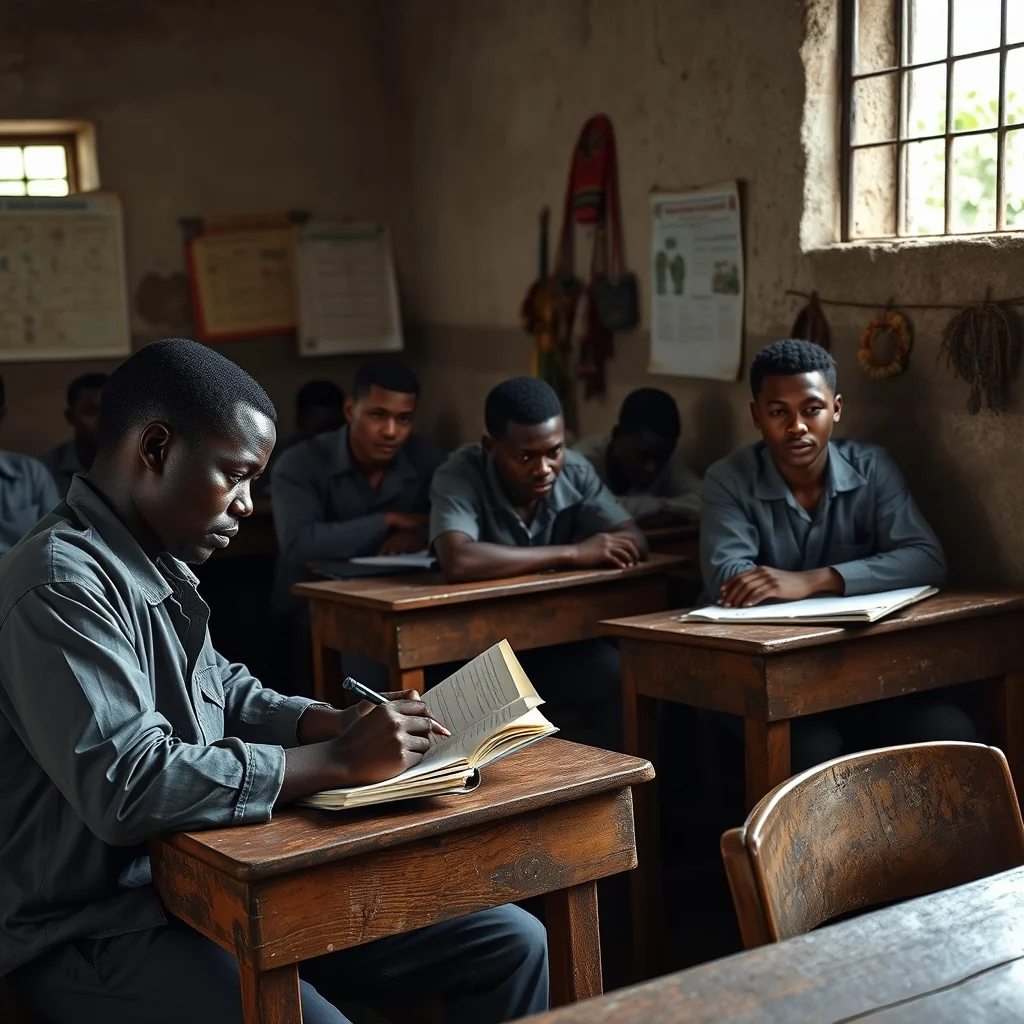
The Deputy Director of Prisons (DDP), Joseph Asabre, has called for the integration of prison schools into Ghana’s national school feeding programme. This appeal, made in the Central Region, aims to enhance inmate concentration and participation in educational and vocational training, thereby supporting rehabilitation and successful reintegration into society.
Context of Inmate Education and Rehabilitation
Prison education is a critical component of offender reform, equipping inmates with essential literacy, numeracy, and vocational skills. These skills are vital for reducing recidivism rates and improving the socioeconomic prospects of individuals upon their release.
DDP Asabre highlighted the importance of adequate nutrition for effective learning. He stated that proper feeding is fundamental not only for the health and dignity of inmates but also for their capacity to engage meaningfully with educational programs and vocational training offered within correctional facilities.
Challenges in Prison Education
The appeal was made during a visit by Mr. Daniel Kwasi Ahiamah, Executive Director of the Complementary Education Agency (CEA), and his team to the Ankaful Maximum Security Prison. The CEA delegation donated assorted drinks and teaching materials to support the inmates’ educational pursuits.
While commending the government for increasing the daily feeding grant per inmate from GH¢1.8 to GH¢5, DDP Asabre described the amount as still insufficient for providing adequate meals. This nutritional deficit can impede an inmate’s ability to concentrate and learn effectively.
Significant challenges persist within the prison education system. A lack of basic furniture forces inmates pursuing formal education to study in uncomfortable conditions. This leads to physical discomfort, poor concentration, fatigue, reduced participation, and ultimately, lower academic performance.
Furthermore, a critical shortage of teaching and learning materials, including books, notebooks, pens, and charts, hampers effective instruction. This scarcity hinders independent study and lesson revision, resulting in weak knowledge retention, poor examination results, and frustration for both educators and learners.
The Ankaful facility also lacks a modern library equipped with reading materials and computers for Information and Communication Technology (ICT) training. This absence deprives inmates of access to essential textbooks, reference resources, and vital digital skills, placing them at a disadvantage.
Supporting Inmate Vocational Skills and Reintegration
Many inmates engage in producing art and crafts to remain productive and develop skills for life after incarceration. However, a significant challenge arises from low patronage, often leaving these items unsold despite the considerable time and effort invested.
This lack of market access leads to discouragement, diminished motivation, and reduced interest in vocational training. It limits inmates’ opportunities for self-reliance, income generation, and personal support during and after their sentence.
DDP Asabre appealed for support from government agencies, philanthropists, civil society organizations, churches, businesses, and the public to address these issues. He emphasized that supporting the purchase and promotion of inmate crafts could provide financial assistance, build confidence, and better prepare them for productive lives post-release.










Leave a Reply