
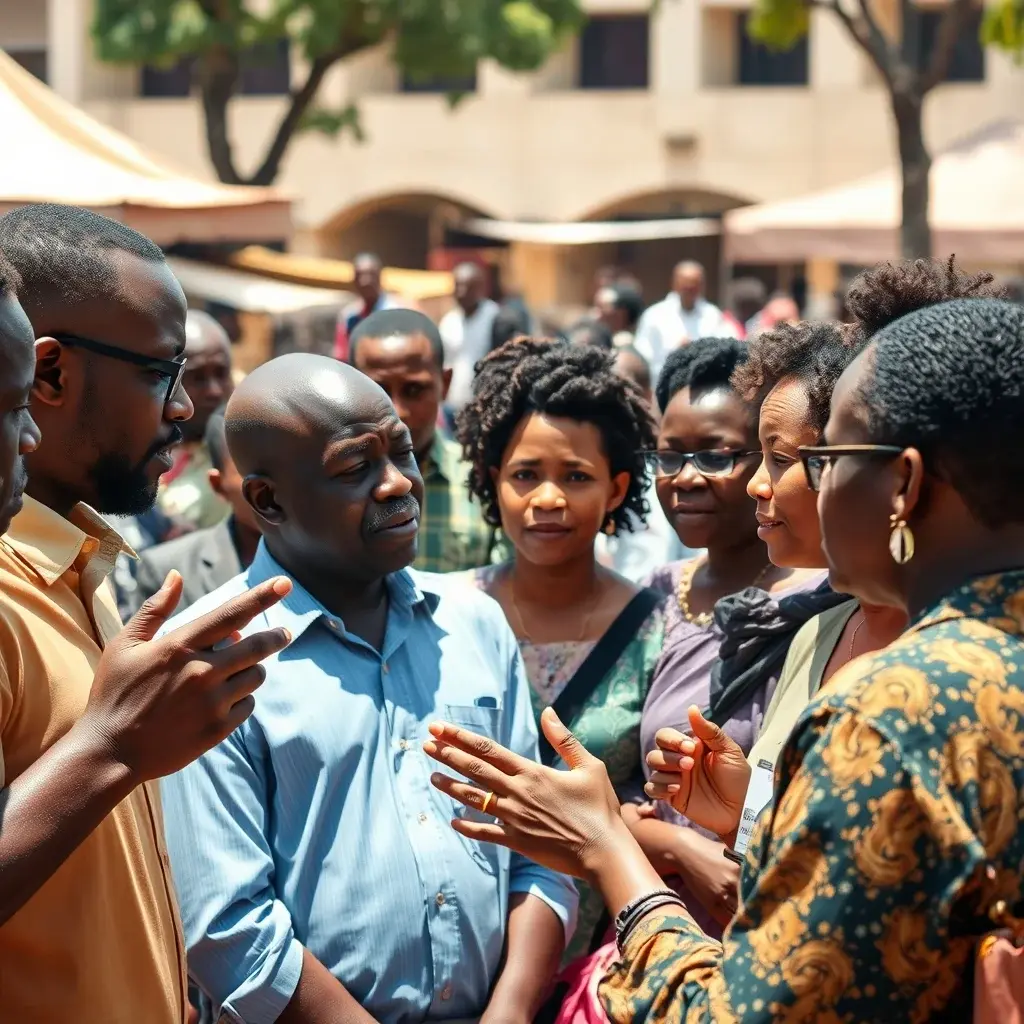
In Ghana’s increasingly polarized political landscape, citizens who express independent opinions on national matters often face backlash from both major parties, the National Democratic Congress (NDC) and the New Patriotic Party (NPP). This trend punishes nuance and discourages honest discourse, creating an environment where loyalty is prioritized over critical engagement, according to recent observations of the nation’s political culture.
The Nature of Polarized Discourse
The current political climate in Ghana often compels citizens to align strictly with one of the two dominant parties. Refusing to be a constant supporter of either side frequently leads to suspicion and hostility from party loyalists.
This environment suggests that political participation is perceived by some as solely driven by the pursuit of personal gain, such as contracts, appointments, or material benefits. However, many individuals engage in public discourse not for personal enrichment, but out of a genuine concern for the country’s direction.
The Need for Independent Thought
A healthy democracy requires more than just unwavering party allegiance. It necessitates citizens who are willing to question, propose solutions, and offer constructive criticism, irrespective of the political affiliation of the ideas presented.
This capacity for independent thought and honest engagement is crucial for societal maturation and effective governance. It allows for a more balanced assessment of policies and a broader range of perspectives to inform national decisions.
Punishing Nuance and Discouraging Dialogue
Unfortunately, Ghana’s political culture increasingly penalizes individuals who deviate from strict party lines. Criticizing one’s preferred party can lead to accusations of disloyalty.
Similarly, acknowledging positive contributions from an opposing party often results in suspicions of secretly switching allegiances. This atmosphere makes open and honest political conversation exceedingly difficult.
The Value of Conviction Over Convenience
It is natural for citizens to not always agree with every political argument. However, there is significant value in individuals who remain engaged based on their convictions rather than convenience.
Democracy thrives when citizens are empowered to think independently and express their views honestly, even when those views are unpopular or challenge the status quo.
Implications for National Progress
Ghana’s progress could be significantly accelerated if its political discourse shifts away from blind loyalty. A focus on national improvement, accountability, and sincere concern for ordinary citizens would foster a more productive political environment.
The current trend of punishing nuanced opinions risks alienating a segment of the population that could contribute valuable insights. Moving forward, fostering an environment that encourages critical thinking and respectful debate across party lines will be essential for addressing the nation’s challenges and achieving sustainable development.










Leave a Reply