
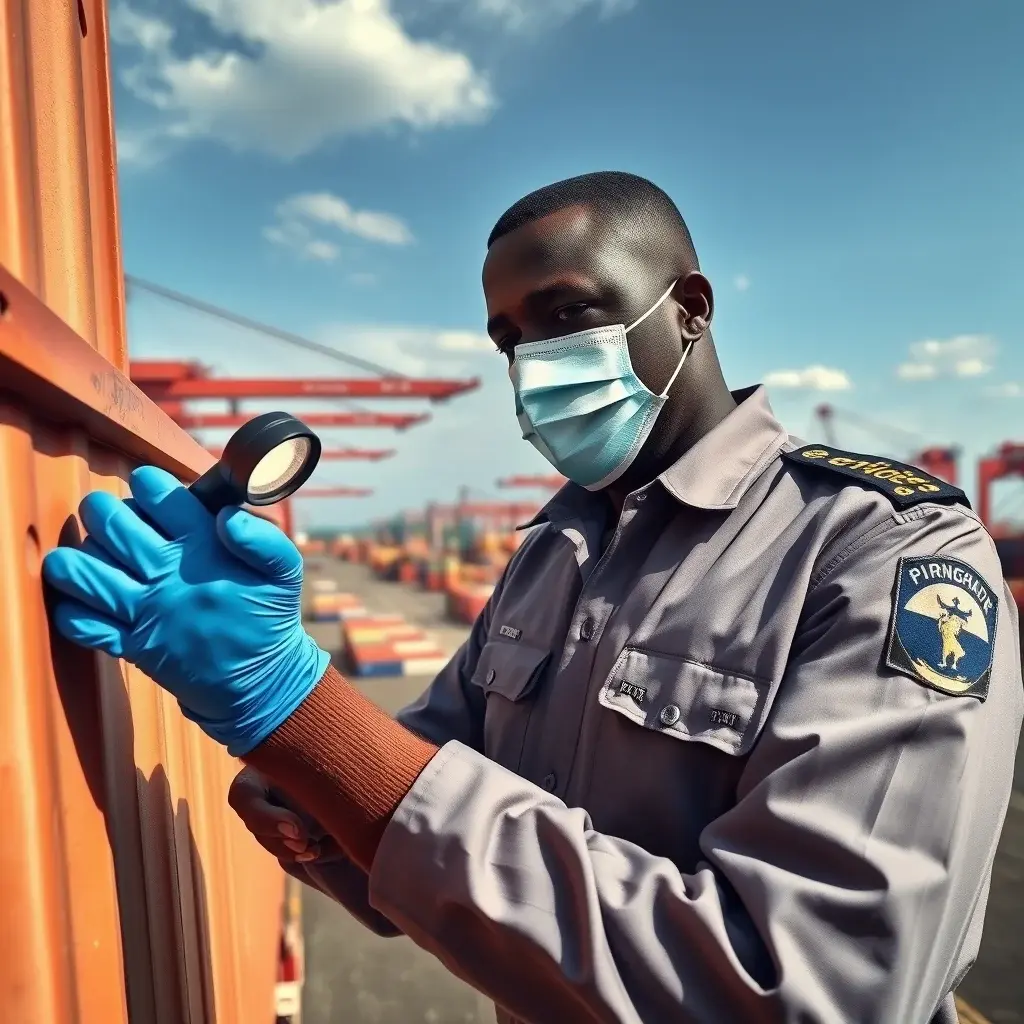
Ghana has activated enhanced disease surveillance measures nationwide following reports of Hantavirus infections on a cruise ship docked in Cape Verde, the Ghana Health Service (GHS) announced on May 8. The move comes after the cruise ship reported eight suspected cases, including five confirmed infections and three fatalities, among its international passengers and crew.
Global Context and Risk Assessment
The affected cruise ship’s passengers and crew hail from diverse regions including the Philippines, the United States, Europe, South America, Australia, and Asia. The World Health Organization (WHO) and the United States Centers for Disease Control and Prevention (CDC), after conducting a risk assessment, have concluded that the overall global public health risk remains low. However, they have advised countries worldwide to bolster their surveillance and preparedness capabilities.
Understanding Hantavirus
Hantavirus is a viral disease primarily transmitted to humans through contact with infected rodents, most commonly via exposure to their urine, droppings, saliva, or surfaces contaminated by these materials. The GHS clarified that the disease is not typically spread from person to person.
Symptoms of Hantavirus infection can include fever, headache, muscle pain, abdominal discomfort, and vomiting. In severe cases, individuals may develop breathing difficulties, a condition known as Hantavirus Pulmonary Syndrome (HPS).
Ghana’s Proactive Measures
The Ghana Health Service has emphatically stated that no cases of Hantavirus have been recorded in Ghana. Nevertheless, precautionary public health interventions have been implemented through Port Health authorities and other health partners to preemptively prevent any potential introduction of the virus into the country.
These measures include intensified surveillance at all entry points, such as airports and seaports. Health facilities nationwide are also increasing their monitoring and reporting of unusual respiratory illnesses. Laboratory preparedness and rapid response systems have been strengthened to ensure swift action if a suspected case emerges.
The GHS is actively collaborating with the WHO and international disease surveillance networks to ensure timely and accurate information sharing. This global cooperation is crucial for tracking potential outbreaks and coordinating responses effectively.
Public Guidance and Prevention
In light of the global alert, the public has been advised to adopt good environmental sanitation practices. This includes proper food storage, prompt waste disposal, and avoiding direct contact with rodents and their droppings.
Health authorities also recommend using gloves and masks when cleaning areas potentially infested by rodents. Frequent handwashing with soap and clean water is emphasized as a critical preventive measure.
Individuals who experience symptoms such as fever, breathing difficulties, or flu-like symptoms, particularly after potential exposure to rodents or recent international travel, are urged to seek immediate medical attention. Early diagnosis and treatment are vital for managing Hantavirus infections.
Assurance and Future Outlook
The Ministry of Health and the Ghana Health Service have reassured the public that Ghana’s disease surveillance systems are robust and responsive. Citizens are encouraged to remain calm, avoid the spread of misinformation, and adhere strictly to official public health guidance.
The ongoing vigilance at Ghana’s borders and within its healthcare system reflects a commitment to public health security in an interconnected world. The focus will remain on monitoring international health advisories, maintaining high levels of preparedness, and educating the public on preventive measures against zoonotic diseases.










Leave a Reply