
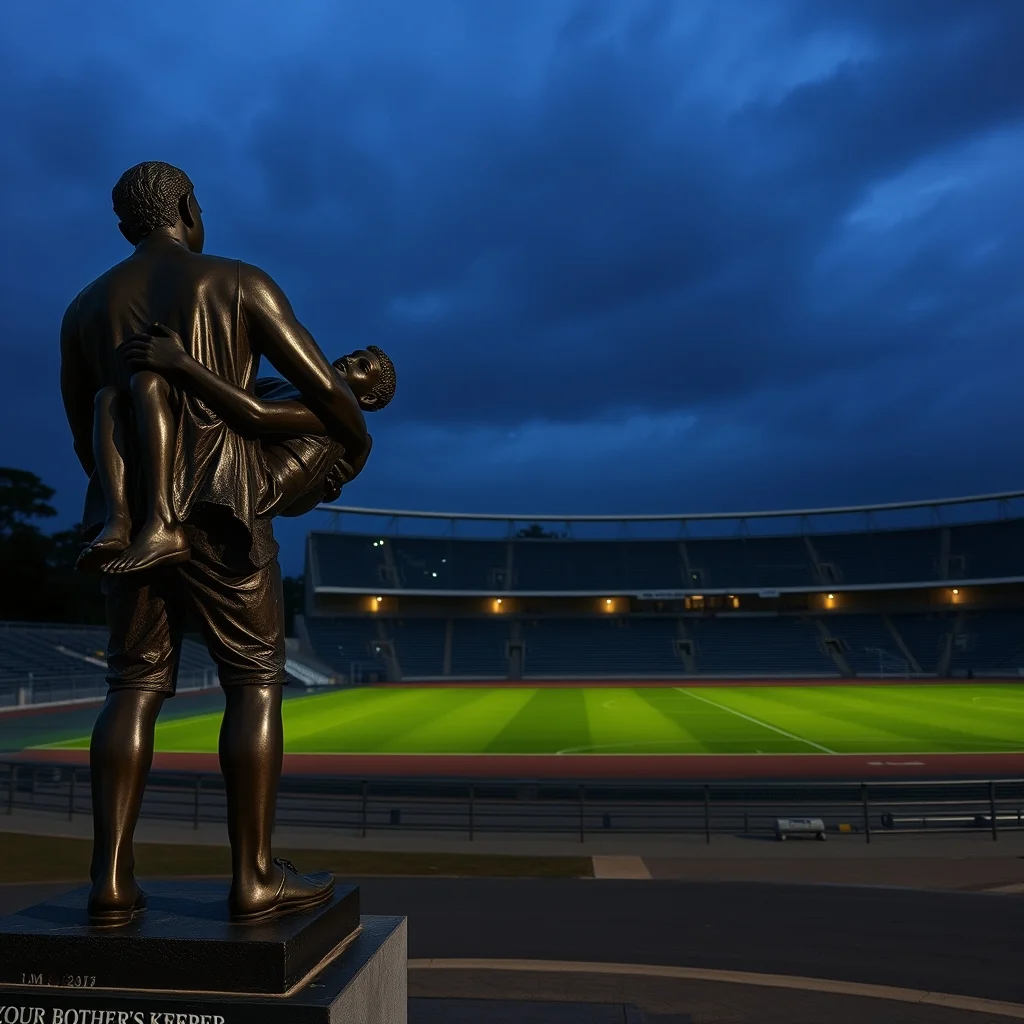
Twenty-five years ago, on the evening of May 9, 2001, a fierce Premier League clash between Hearts of Oak and Asante Kotoko at the Accra Sports Stadium turned into a national catastrophe. Over thirty thousand passionate fans packed the venue, witnessing a match that ended tragically with 126 deaths, primarily due to a stampede triggered by police action. This event remains the deadliest stadium disaster in African history, yet accountability and recovery have been notably absent in Ghana, leaving the domestic football scene irrevocably scarred.
The Night of Panic
The highly anticipated match escalated when Asante Kotoko supporters reacted angrily to a controversial offside goal by Hearts of Oak, throwing objects onto the pitch. In an attempt to quell the unrest, riot police fired what were described as thundershots into the north stand. The situation momentarily stabilized, but officers then deployed tear gas and rubber bullets into the densely packed, airless section of the stadium.
This escalation ignited widespread panic. Thousands of fans rushed towards the exits, only to find several gates locked. The chaos resulted in a deadly stampede, with victims succumbing largely to compressive asphyxia. Medical personnel were overwhelmed, and the injured and deceased were transported to hospitals in car boots, overwhelming the city’s morgues.
Justice Unserved, Promises Unkept
A subsequent Commission of Inquiry, led by lawyer Sam Okudzeto, identified excessive police force as the primary cause of the tragedy. Six police officers were named and charged with manslaughter, but all were acquitted. To date, no one has been convicted for the deaths.
The commission also issued broader recommendations, including stadium infrastructure upgrades, the establishment of a Stadium Disaster Relief Fund, educational support for victims’ children, and mandatory training in non-lethal crowd management techniques. However, these recommendations have been largely unimplemented.
Unlike the protracted but ultimately successful pursuit of justice and compensation for the Hillsborough disaster in the UK, victims’ families in Ghana have largely been left to rely on the goodwill of friends and family for support. The government-established Stadium Disaster Fund’s accountability has also been questioned, with many families of breadwinners who perished or were severely injured still struggling to cope financially.
The Game’s Diminished Aura
The cultural and structural impact on Ghanaian football has been profound. Pre-disaster, average Ghana Premier League attendance figures ranged between 8,000 and 12,000. By 2023, this number had plummeted to below 800, a decline of over 90 percent.
This collapse in attendance led to a significant financial downturn. Corporate sponsors reduced or withdrew their involvement, and clubs struggled to retain talent, invest in academies, or attract new investment. Consequently, many Ghanaian football enthusiasts shifted their attention to foreign leagues.
Even the iconic










Leave a Reply