
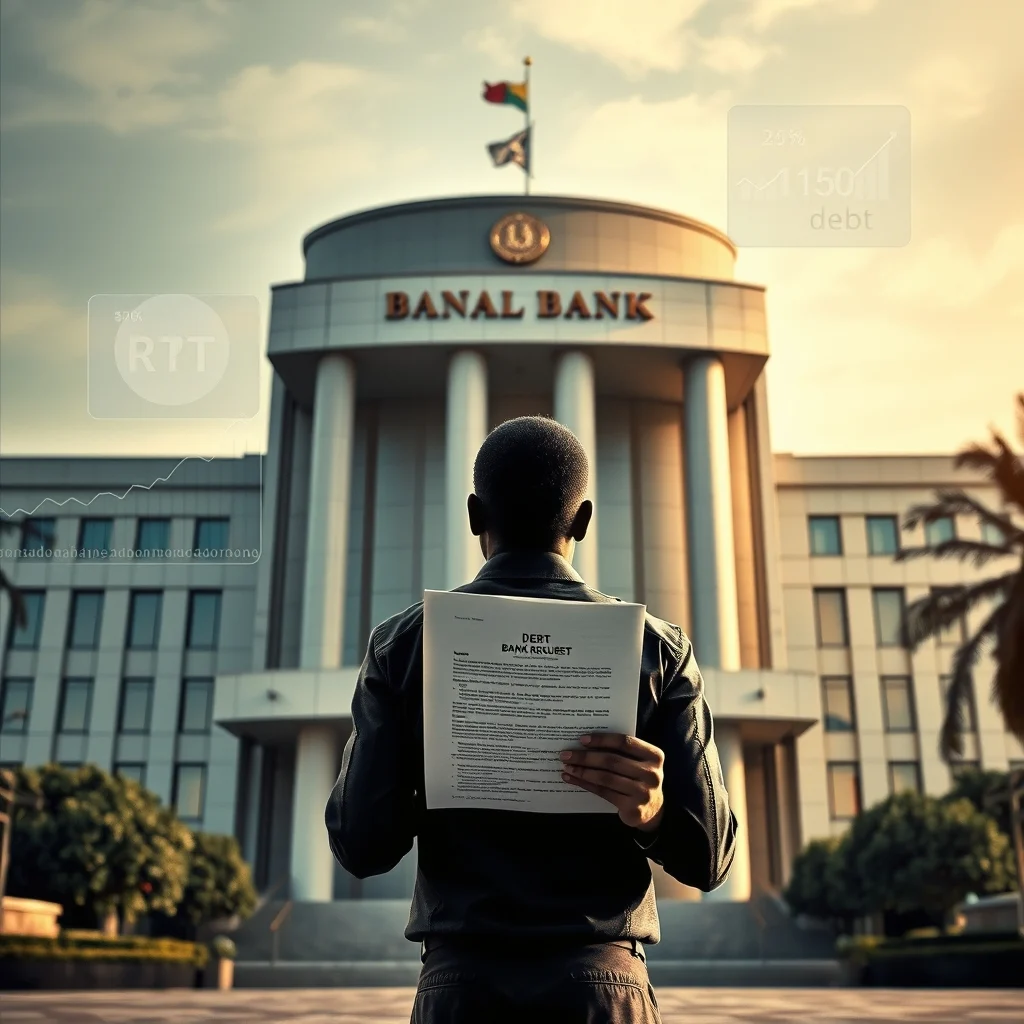
Accra, Ghana – A Ghanaian citizen, Samuel Bryan Buabeng, is publicly challenging the Bank of Ghana (BoG) over its alleged failure to disclose details surrounding the write-off of GHS1.39 billion in debts. Buabeng expressed his concerns on May 11 via a Facebook statement, asserting that his attempts to obtain information through the official Right to Information (RTI) process have been met with resistance, raising questions about transparency at the nation’s central bank.
Background of the Information Request
Buabeng initially sought specific details regarding the substantial debt write-offs from the Bank of Ghana. His request, filed under the RTI Act, aimed to shed light on how public funds or financial obligations of such magnitude were handled.
The Bank of Ghana initially informed Buabeng that his request could not be processed due to a lack of a national identification card. Buabeng contested the necessity of this requirement, especially given the public interest in the matter.
Despite his reservations, Buabeng later submitted the requested identification document to ensure his request would not be stalled further. He emphasized the critical nature of the information to public accountability.
Challenges in Obtaining Information
Following the submission of his identification, Buabeng received notification that the information he sought was classified as “exempt.” This classification has drawn sharp criticism from Buabeng, who argues it contradicts the principles of public accountability expected of a central bank.
He pointed to the Bank of Ghana’s own regulations, which mandate the public naming of “wilful defaulters.” Buabeng contends that a similar level of transparency should extend to the write-off of significant debt amounts.
“The same spirit of transparency should apply to debt write-offs involving large sums of money,” Buabeng stated, highlighting a perceived inconsistency in the Bank’s disclosure policies.
Calls for Openness and Accountability
Buabeng has stressed that his pursuit of this information is driven by a commitment to promoting openness and public accountability within the nation’s financial institutions. He explicitly stated that his actions are not aligned with any political agenda.
He further expressed concern over what he described as opaque management practices within the Bank of Ghana. Buabeng has reiterated his unwavering determination to continue seeking disclosure of the disputed information.
Broader Implications for Financial Institutions
This situation brings into sharp focus the critical need for robust transparency mechanisms within central banks and other public financial institutions. The GHS1.39 billion figure represents a significant sum, and the public has a legitimate right to understand how such financial decisions are made and accounted for.
The Bank of Ghana’s response, citing exemptions after an initial identification hurdle, could set a precedent for how RTI requests concerning sensitive financial matters are handled. This may lead to increased scrutiny from civil society organizations and the public regarding financial disclosures.
For citizens seeking information, the process can be arduous, as demonstrated by Buabeng’s experience. The effectiveness of the RTI Act hinges on the willingness of institutions to provide information in a timely and transparent manner, even when the information might be sensitive.
What to Watch Next
The public will be watching to see if the Bank of Ghana revisits its decision regarding the ‘exempt’ classification or provides further justification for withholding the information. Buabeng’s continued efforts and potential legal challenges could also shape future RTI requests concerning financial data. The outcome will be a key indicator of the evolving landscape of financial transparency and public access to information in Ghana.










Leave a Reply