
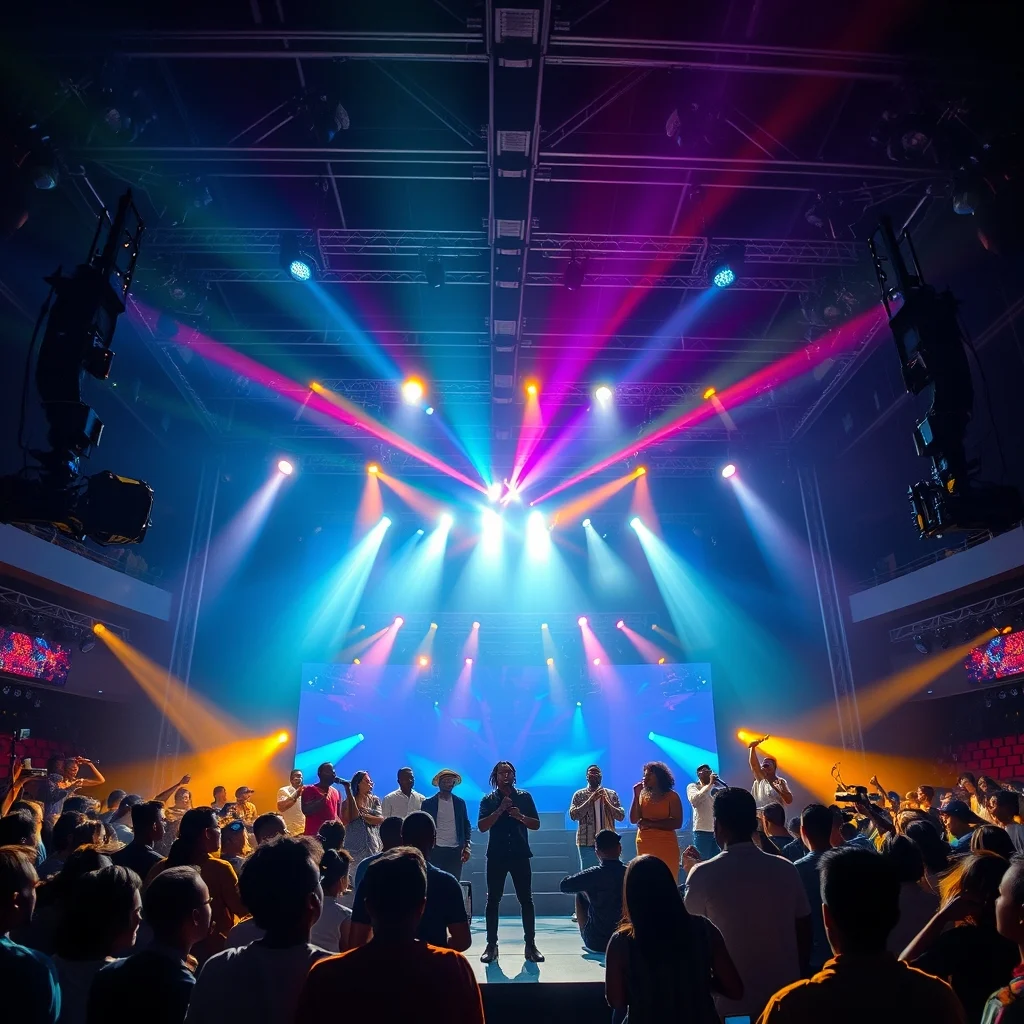
Accra, Ghana – The 27th Telecel Ghana Music Awards (TGMA) recently concluded, showcasing significant production advancements in its stage design, lighting, and camera work, yet simultaneously highlighting persistent organizational and technical shortcomings that continue to overshadow its growing reputation. The event, a fixture on the Ghanaian music calendar, drew considerable online engagement, demonstrating its enduring appeal, but also revealed a recurring struggle with punctuality, pacing, and overall execution that mirrors issues from previous years.
This year’s TGMA marked a visible leap in production quality, with an expanded, more sophisticated stage and improved lighting that translated effectively on screen. The camera work achieved a polished look, suggesting increased investment and ambition. These enhancements demonstrated a commitment to elevating the event’s aesthetic and technical presentation to international standards.
However, the event’s logistical execution fell short of its visual polish. A significant and recurring issue was the late start, which dominated online discussions and underscored an industry acceptance of delayed openings. This lack of punctuality, a long-standing problem for major Ghanaian events, suggests a need for stricter adherence to advertised schedules, irrespective of celebrity arrivals or red carpet wrap-ups.
The red carpet segment, themed “A Touch of Glitter,” aimed for a more structured identity. While the concept showed promise, its execution lacked the controlled, purposeful energy seen at global awards ceremonies. The carpet ran excessively long, losing momentum and devolving into a chaotic scene due to too many entry points and interruptions, undermining the premium image the event sought to cultivate.
Leading international awards like the Grammy Awards and BET Awards manage their red carpets as distinct, highly organized productions, meticulously controlling arrival times and media access to maintain a premium feel and cultural theatricality. Similarly, the Headies in Nigeria have made concerted efforts to streamline their show and enhance the television experience, setting a benchmark for African productions.
Live performances are the heart of the TGMA, and this year featured several well-prepared artistes delivering strong stage presence. However, the consistency of these performances was undermined by significant sound engineering issues. Problems ranged from overly loud audio, which drowned out vocals, to instances where sound was too low, diminishing the performers’ energy and impact. This inconsistency was widely noted by viewers online.
Effective sound engineering is fundamental to a successful broadcast, yet its management at the 27th TGMA proved erratic. Inconsistent audio mixes detracted from performances and frustrated both the live audience and home viewers. Furthermore, lengthy and awkward transitions between acts exacerbated the show’s pacing issues, causing a loss of audience engagement that even strong performances struggled to overcome.
Global standards, such as those seen at the Grammy Awards, emphasize speed, precision, and meticulous technical rehearsals, including rehearsed camera positions and pre-show sound checks. The BET Awards also strike a balance between live energy and broadcast appeal. These examples highlight how effective transitions and technical readiness are crucial for maintaining audience attention.
On-the-ground organization also faced criticism, with attendees reporting seating mix-ups and slow entry processes. These issues, while seemingly minor individually, collectively indicate a need to prioritize the overall audience experience, from ticket purchase to seating. The public uncertainty surrounding the venue in the lead-up to the event further compounded organizational concerns, affecting confidence among ticket holders and potential sponsors.
The TGMA does not require a complete overhaul but rather a commitment to sharper discipline, improved execution, and a higher standard of operational integrity. Given the global recognition Ghanaian music is currently receiving, the nation’s premier music awards night must consistently reflect this stature. The talent and audience are present; the quality of execution needs to align.
Moving forward, adherence to start times is non-negotiable. The red carpet requires a strategic redesign focusing on controlled flow, streamlined media interaction, and efficient artist movement. Sound engineering must be treated with paramount importance, involving continuous monitoring and rigorous technical rehearsals to eliminate avoidable errors. Show pacing needs to be meticulously planned, balancing impactful segments with swift transitions to maintain audience engagement throughout the broadcast.
The potential for the TGMA is immense, contingent on the discipline to meet it. Congratulations to the award recipients and organizers for their efforts. The next edition holds the opportunity to fully realize the platform’s capabilities.










Leave a Reply