
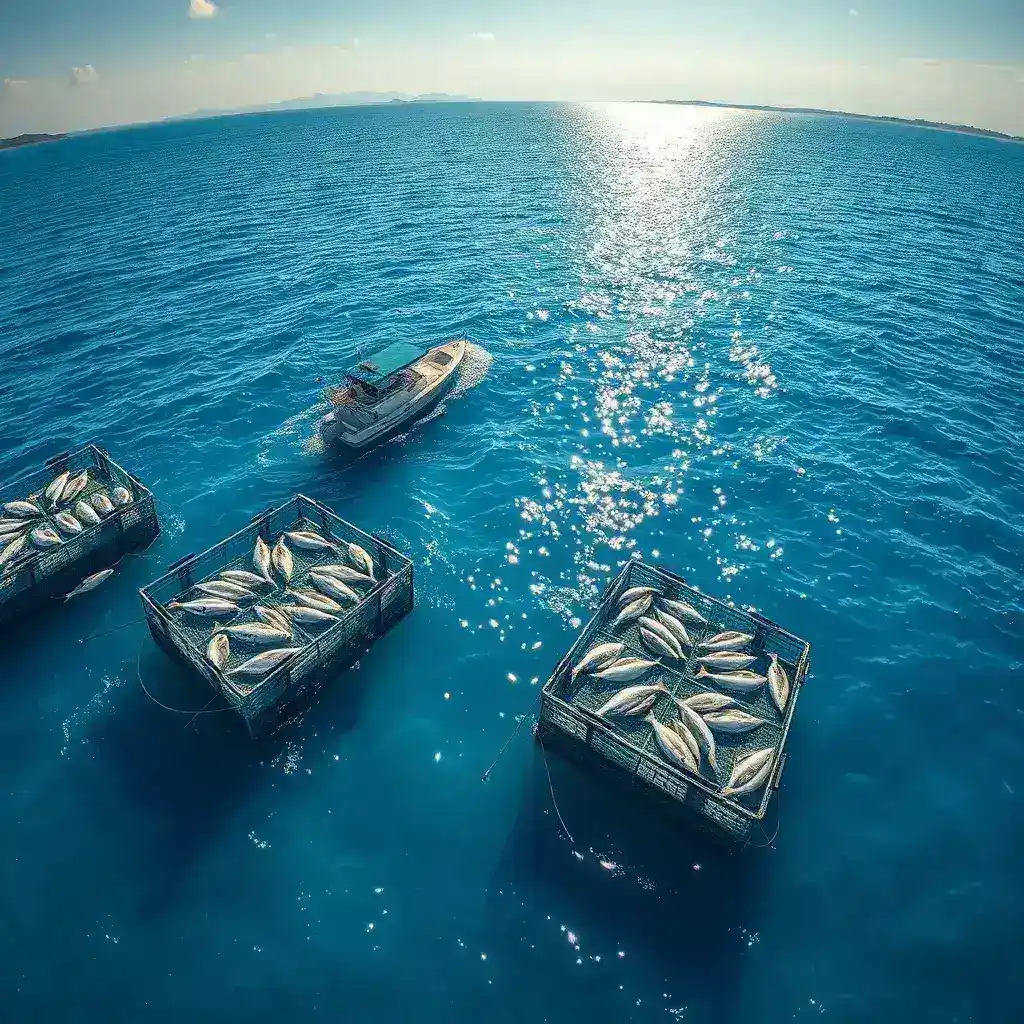
Ghana officially launched its first-ever mariculture project on Monday, May 12, with the provisional licensing of Gold Coast Mariculture Limited. The initiative, spearheaded by the Ministry for Fisheries and Aquaculture, aims to diversify the nation’s blue economy by cultivating high-value marine species in ocean environments.
A New Frontier in Aquaculture
The granting of the provisional license marks a significant step for Ghana’s aquaculture sector, which has historically concentrated on freshwater species like tilapia and catfish. This new venture into mariculture, the farming of organisms in saltwater, signifies a strategic expansion into a previously untapped resource.
Minister for Fisheries and Aquaculture, Emelia Arthur, presented the license in Accra, emphasizing the project’s importance. She stated that it represents “a symbol of innovation, opportunity, research, skills development, and a bold step towards diversifying Ghana’s blue economy sustainably and responsibly.” The project’s focus will be on cultivating commercially valuable marine species such as Cobia, Red Snapper, and Pompano.
Ensuring Sustainability and Environmental Protection
A core tenet of the mariculture project is its commitment to environmental stewardship and sustainable practices. The Ministry has outlined strict protocols to govern the operation, including rigorous biosecurity measures, scientific oversight, and continuous regulatory monitoring.
These measures are designed to safeguard marine ecosystems from potential negative impacts and ensure compliance with international sustainability standards. The project aims to operate within a regulated framework that prioritizes the health of the ocean environment.
Economic and Social Benefits
Beyond environmental considerations, the mariculture project is poised to generate substantial economic and social benefits for Ghana. The initiative is expected to create numerous employment opportunities, attract both domestic and foreign investment, and significantly bolster national food security.
Furthermore, by developing a sustainable source of high-value seafood, the project seeks to alleviate pressure on Ghana’s dwindling wild fish stocks, a growing concern for the country’s marine resources.
Collaborative Effort and Future Vision
The successful launch of this project is the result of a collaborative effort involving multiple government agencies and stakeholders. The Minister specifically acknowledged the contributions of the Fisheries Commission, the Environmental Protection Agency, and the Ghana Maritime Authority, alongside other key partners.
Evans Kwadwo Danso, CEO of Gold Coast Mariculture Limited, accepted the provisional license, expressing gratitude and pledging the company’s dedication to realizing a successful venture. He assured the Ministry of close cooperation with regulators and stakeholders to meet all necessary standards.
Implications for Ghana’s Blue Economy
The introduction of mariculture represents a significant diversification of Ghana’s blue economy. This move aligns with the government’s broader strategy to encourage responsible private sector investment while embedding sustainability into the nation’s long-term development agenda.
As Gold Coast Mariculture Limited begins its operations, the nation will be watching closely to see how this pioneering project scales and influences future aquaculture development. The success of this initiative could pave the way for expanded mariculture ventures across Ghana’s coastline, further unlocking the potential of its marine resources.









Leave a Reply