
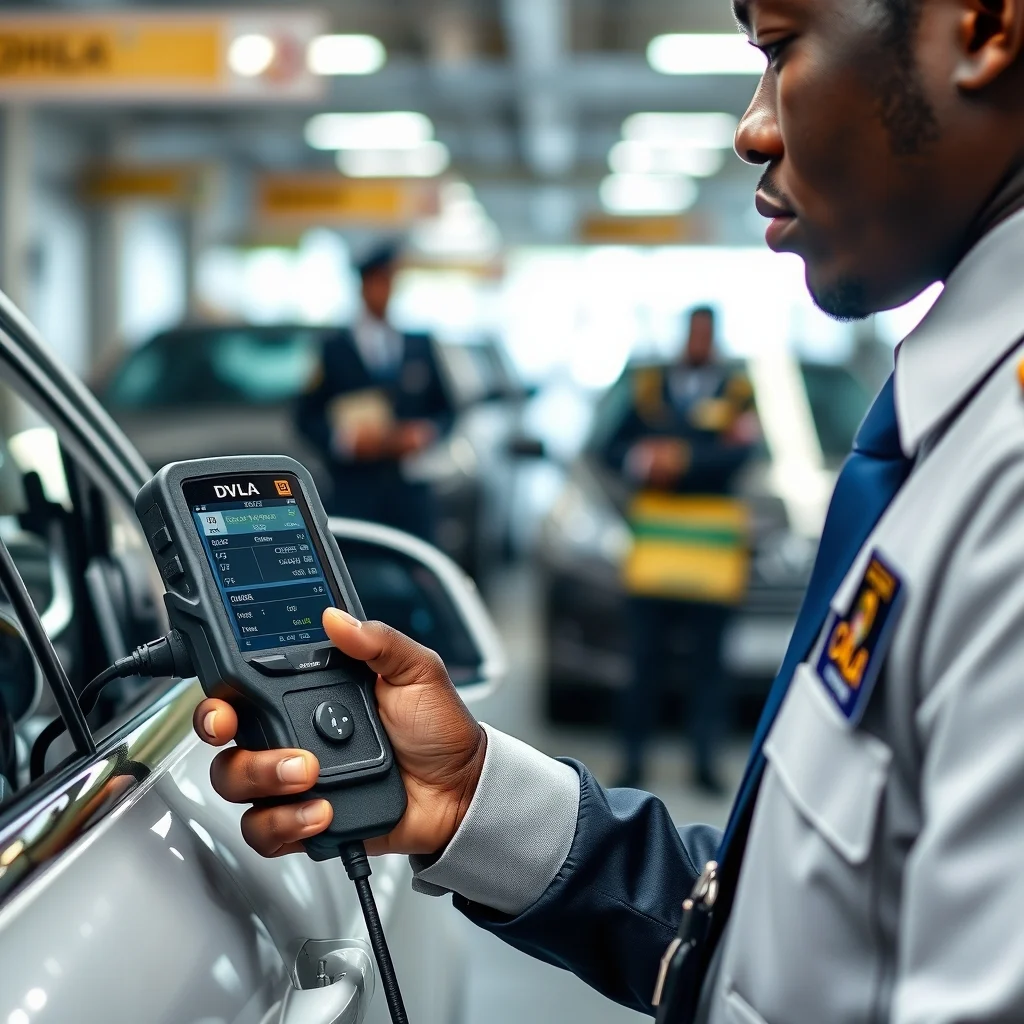
The Driver and Vehicle Licensing Authority (DVLA) in Ghana has implemented advanced clone detection machines, specifically OBD II scanners, this past Wednesday, May 13th, across its operations. This initiative aims to significantly enhance vehicle verification processes, combat registration fraud, and secure the integrity of the national vehicle registration system.
Context: The Rise of Vehicle Cloning
Vehicle cloning, a growing concern in Ghana’s automotive sector, involves the illegal duplication of Vehicle Identification Numbers (VINs). Fraudsters exploit this by using the identification details of legitimate vehicles to register unapproved or illegally imported cars. This practice has led to genuine vehicle owners being mistakenly flagged as already registered, causing significant administrative hurdles and undermining public trust.
Advanced Technology Tackles Sophisticated Fraud
The introduction of OBD II scanners represents a significant technological upgrade for the DVLA. These devices are specifically designed to detect cloned vehicles by scanning vehicle data and identifying discrepancies or duplications in VINs. This allows registration officers to conduct more thorough and precise inspections, quickly flagging irregularities that might otherwise go unnoticed.
The DVLA stated that this deployment is a proactive measure. It aims to curb fraudulent registrations, improve overall vehicle security, and reinforce the accuracy and credibility of the national vehicle register. By preventing cloned vehicles from entering the legal framework, the authority seeks to streamline the registration process for legitimate owners.
Enhancing Public Confidence and Security
Beyond combating direct fraud, the new scanners are expected to boost public confidence in the DVLA’s operations. By reducing administrative errors and preventing wrongful registration conflicts, the authority assures that legitimate vehicle owners will be protected. This move is part of a broader strategy to modernize vehicle verification procedures, ensuring greater accuracy and reliability in the national vehicle database.
The DVLA has urged all stakeholders, including vehicle importers, dealers, clearing agents, and the general public, to cooperate fully with DVLA officials during these enhanced inspection and verification exercises. Their collaboration is deemed crucial for the success of this anti-fraud initiative.
Looking Ahead: What’s Next?
The successful implementation and consistent application of these OBD II scanners will be key. The DVLA’s commitment to modernizing its verification processes signals a broader trend towards leveraging technology to enhance transparency and security in public services. Observers will be watching to see how this technology impacts registration timelines and the overall efficiency of vehicle licensing in Ghana, and whether similar advanced detection methods will be adopted for other areas of vehicle management.










Leave a Reply