
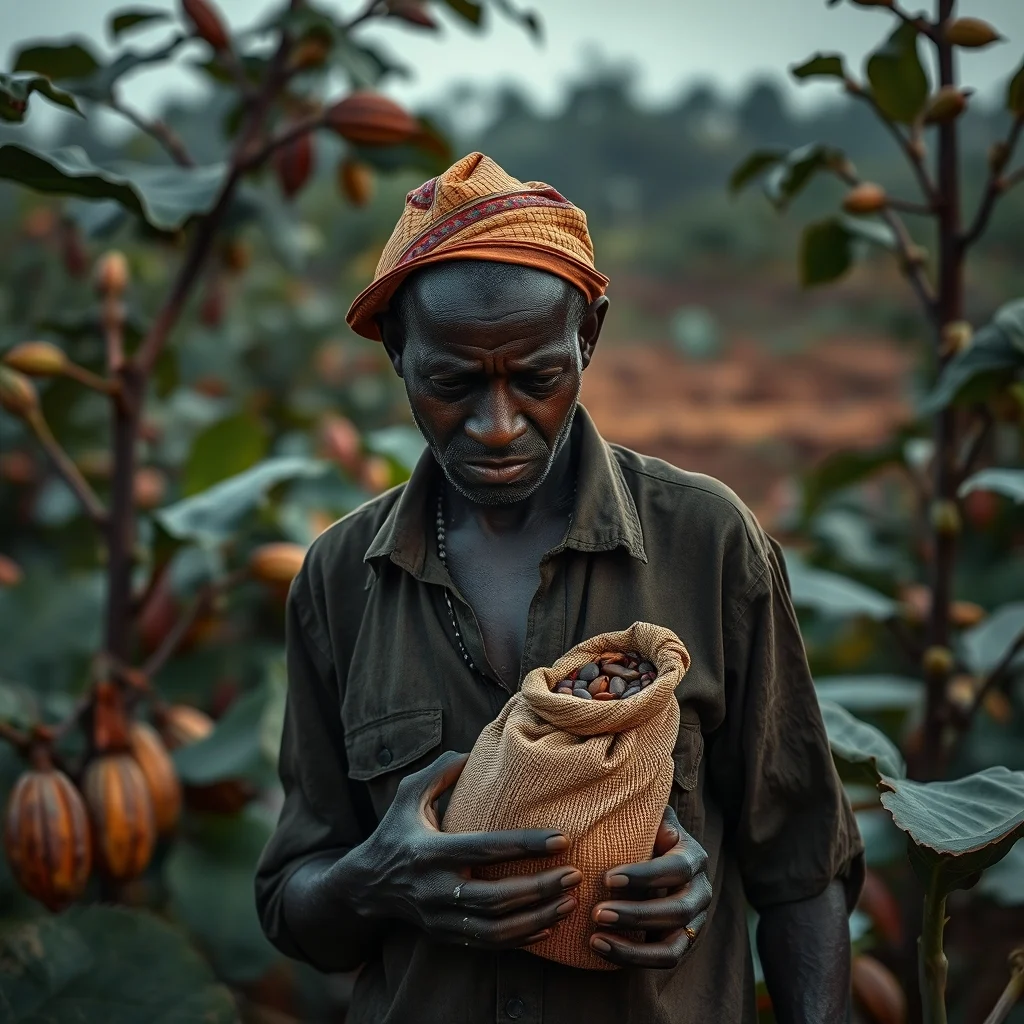
Minority Chief Whip Frank Annoh-Dompreh has issued a stark warning that recent reductions in Ghana’s cocoa producer prices are pushing farmers toward despair and could escalate cross-border cocoa smuggling if the government does not intervene urgently. The Nsawam-Adoagyiri MP conveyed this concern in an open letter to President John Dramani Mahama on Wednesday, highlighting the severe economic strain on cocoa-growing households due to falling incomes, increasing production costs, and climate-related challenges.
Economic Pressure Mounts on Farmers
Cocoa farmers are currently grappling with a confluence of adverse economic factors. These include escalating input costs for fertilizers and pesticides, difficulties in securing adequate labor, and a general decline in real incomes. The latest adjustment to the producer price has further exacerbated these already precarious conditions within farming communities.
Mr. Annoh-Dompreh emphasized that a reduction in producer prices, without corresponding compensatory measures, poses a significant risk. It could entrench poverty in these communities and diminish the motivation for farmers to engage in sustainable production practices.
Broader Economic Implications
The ramifications of this crisis extend beyond the individual farmers, threatening the stability of Ghana’s broader economy. Cocoa is a vital commodity, serving as one of the nation’s primary sources of foreign exchange earnings. It also underpins significant rural employment.
The Minority Chief Whip warned that persistent dissatisfaction among cocoa farmers could lead to reduced productivity. Furthermore, it could encourage the illicit smuggling of cocoa beans across Ghana’s borders, impacting official export volumes and revenues.
“Sustained farmer disaffection threatens productivity, encourages smuggling across borders, and undermines confidence in the state’s commitment to equitable burden-sharing during economic adjustment,” he stated, underscoring the potential erosion of trust between the government and its agricultural stakeholders.
Challenges in the Purchasing Chain
Adding to the farmers’ woes, the government is also accused of failing to adequately support Licensed Cocoa Buying Companies (LBCs). Delays in financial releases to these companies are reportedly causing liquidity issues throughout the entire cocoa purchasing process.
This financial strain on LBCs prevents them from effectively financing cocoa purchases. Consequently, vulnerable farmers are left unable to sell their produce, creating a domino effect that disproportionately impacts the agricultural workforce.
Government Priorities Questioned
Mr. Annoh-Dompreh criticized the government’s allocation of resources, suggesting that cocoa-growing communities are being overlooked despite the sector’s critical importance to the national economy. He drew a contrast between the perceived neglect of the cocoa sector and substantial financial interventions, such as a recent $10 billion injection aimed at stabilizing the Ghanaian cedi.
This disparity in focus, he argued, sends an unfortunate message about the government’s priorities regarding the welfare of these farming communities.
Risk of Eroding Confidence
The sustained reduction of producer prices carries the long-term risk of eroding farmer confidence in cocoa cultivation and the broader agribusiness sector. This could lead to a decline in investment and a potential shift away from cocoa farming.
Call for Urgent Intervention
In light of these pressing concerns, the Minority Chief Whip has urged President Mahama to implement immediate income-support interventions. These measures are crucial to cushion cocoa farmers from the adverse effects of the recent producer price adjustments and to prevent a further decline in the sector.
The situation highlights the delicate balance required in managing Ghana’s cocoa industry, particularly during times of economic volatility. The coming weeks will be critical in observing the government’s response and its impact on the livelihoods of thousands of cocoa farmers and the stability of a key national export.










Leave a Reply