
Minority Chief Whip Frank Annoh-Dompreh has strongly criticized the John Mahama administration, citing the resurgence of persistent power outages, popularly known as ‘dumsor,’ as a significant governance failure with severe economic repercussions. The lawmaker warned that the escalating energy crisis is decimating businesses, leading to job losses, and eroding public confidence across Ghana. The open letter, addressed to President Mahama on Wednesday, highlighted the stark contrast between government assurances and the current reality experienced by citizens.
Widespread Economic Devastation
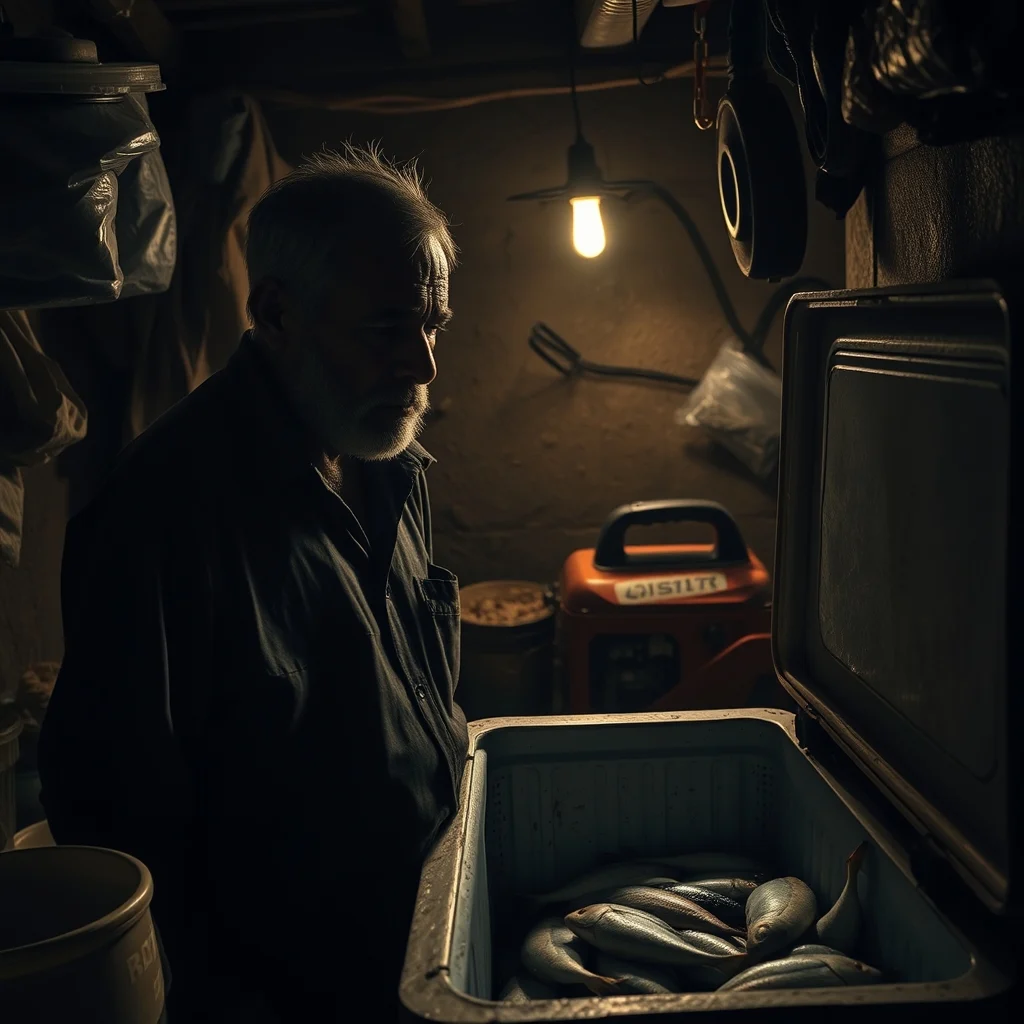
Businesses nationwide are reportedly struggling to stay afloat due to the erratic power supply. Annoh-Dompreh detailed the plight of various sectors, noting that cold-store operators face ruin. He illustrated the severity with an example of a fishmonger in Tema who could lose a GHS 10,000 investment in stock during an unannounced 18-hour outage.
The impact extends to other vital economic activities. Restaurants are reportedly closing down, salons are forced to lay off apprentices, and small-scale manufacturers are unable to meet their production targets. This widespread disruption directly translates into job losses and reduced economic output.
Contradictory Policies and Rising Fuel Costs
The Minority Chief Whip also pointed out the apparent contradiction between the government’s introduction of a GH¢1 fuel levy and its stated aims to stabilize power supply and reduce fuel prices. Annoh-Dompreh presented data showing an increase in fuel costs since the government took office.
According to his letter, diesel prices have climbed from approximately GHS 14.20 per litre to GHS 16.20, while petrol prices have risen from GHS 11.40 to over GHS 13.20. This increase, compounded by the new levy, makes it prohibitively expensive for businesses to operate, especially when relying on generators.
Annoh-Dompreh argued that businesses cannot function effectively under these conditions, especially with the government’s promise of a ’24-hour economy.’ The inability to sustain operations for even six consecutive hours, coupled with the high cost of fuel, directly leads to layoffs as employers struggle to manage operational expenses.
Structural Failures in the Energy Sector
Despite Ghana’s current installed power capacity, the return of widespread outages suggests deeper structural issues within the energy sector. Annoh-Dompreh stated that ‘dumsor’ is not merely a technical glitch but a consequence of policy failures that are negatively impacting employment and national optimism.
He identified recurring generation deficits, shortfalls in gas supply, and transmission failures as key contributors to the persistent power interruptions. These systemic problems prevent the reliable delivery of electricity, a fundamental requirement for economic activity.
Calls for Sweeping Reforms
In response to the crisis, Annoh-Dompreh urged President Mahama to implement urgent and comprehensive reforms. These proposed measures include merging key state power institutions to streamline operations and improve efficiency.
He also called for renewed engagement with Independent Power Producers (IPPs) to restore and bolster generation capacity. A critical demand is the suspension of the GH¢1 fuel levy, which he argues is exacerbating the financial strain on businesses.
Furthermore, Annoh-Dompreh advocated for transparency through the publication of the energy sector’s financial audit. He also proposed the immediate establishment of an emergency energy sector task force to provide a dedicated and focused response to the ongoing crisis.
Looking Ahead
The ongoing power crisis raises significant concerns about Ghana’s economic stability and the government’s capacity to manage critical infrastructure. The coming weeks will likely see increased pressure on the administration to provide concrete solutions beyond assurances. Stakeholders will be closely watching for any signs of policy shifts, particularly regarding fuel levies and the engagement with IPPs, as well as the effectiveness of any emergency measures implemented to address the generation and transmission challenges. The long-term implications for investor confidence and job creation hinge on a swift and sustainable resolution to ‘dumsor.’










Leave a Reply