

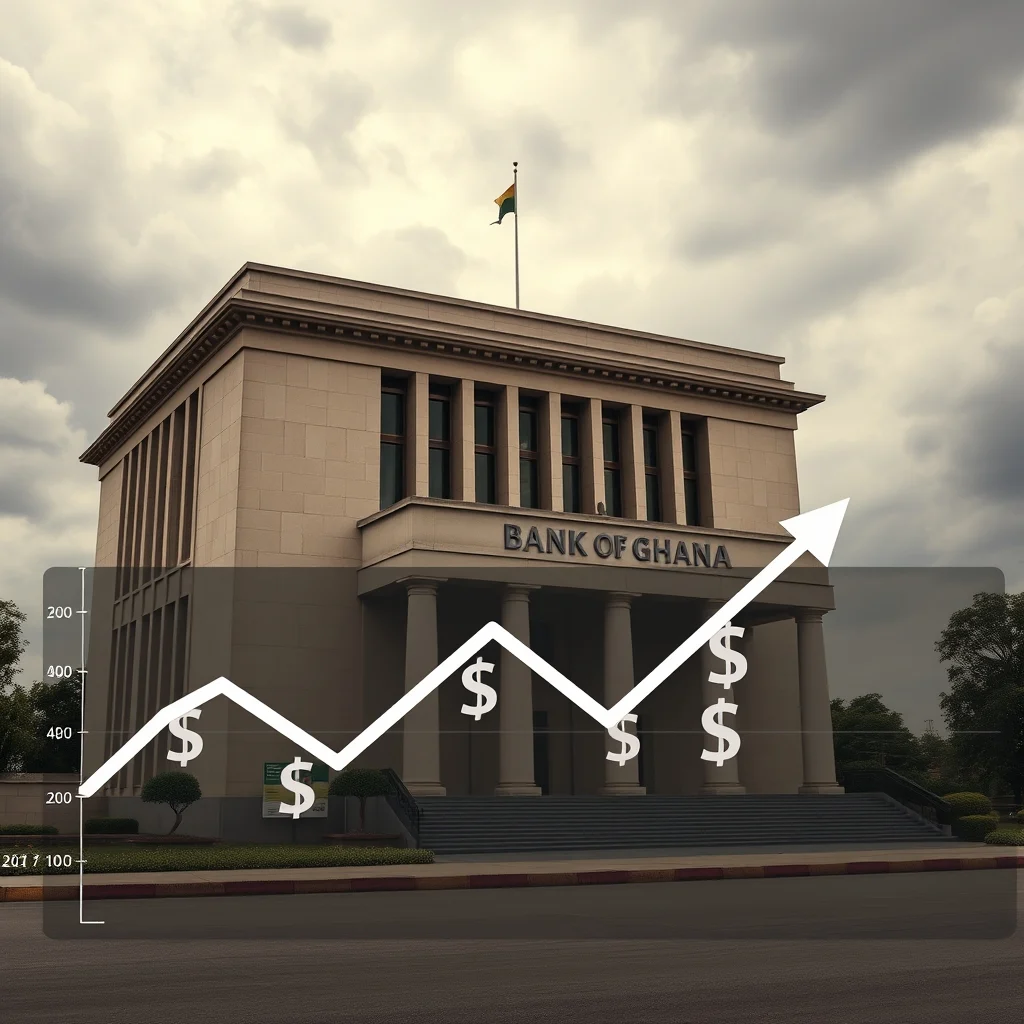
Accra, Ghana – A projected GHS15.6 billion loss for the Bank of Ghana in the 2025 financial year has ignited a fierce debate over the government’s economic management, with a former Information Minister accusing the current administration of hypocrisy. Kojo Oppong Nkrumah, MP for Ofoase Ayirebi, stated yesterday that the justifications offered for the central bank’s financial woes mirror arguments the ruling party once vehemently opposed during their time in opposition.
Shifting Stances on Economic Policy
Mr. Oppong Nkrumah, speaking on JoyFM’s Topstory, highlighted what he described as a significant inconsistency in governance. He asserted that the same arguments now being used to defend the Bank of Ghana’s performance were previously rejected by the majority when they were in opposition.
“Yesterday’s whistleblowers have become today’s defenders,” Mr. Oppong Nkrumah stated. “The cosmetics with which they’ve been managing things are beginning to wear off. And what is left now is government side that is defending the things that they complained about when they were in opposition.”
The anticipated announcement of the substantial loss comes as the government faces increasing scrutiny over its handling of the nation’s economy. The opposition argues that this situation undermines public trust and raises serious questions about fiscal discipline.
Economic Stabilization vs. Fiscal Responsibility
The majority’s defense hinges on the argument that the losses are an unavoidable consequence of necessary measures to stabilize the economy and provide relief to Ghanaians amidst recent economic challenges. This includes interventions aimed at curbing inflation and stabilizing the cedi.
However, critics contend that such justifications fail to address underlying issues of transparency and accountability in the management of public finances. They point to the significant financial burden such losses could place on the central bank and, by extension, the national economy.
The Bank of Ghana’s financial health is crucial for maintaining confidence in the country’s economic stability. Significant losses can impact its ability to regulate the financial sector, manage currency, and implement monetary policy effectively.
Broader Economic Implications
This development is expected to intensify discussions surrounding the overall health of the Ghanaian economy and the effectiveness of the current policy interventions. Analysts are closely watching how the Bank of Ghana will navigate this financial challenge and what measures will be put in place to prevent future occurrences.
The projected loss also raises concerns among investors and international financial institutions about Ghana’s economic trajectory. Maintaining a strong and credible central bank is paramount for attracting foreign investment and securing favorable loan terms.
Looking Ahead
As the Bank of Ghana prepares to officially release its financial figures, the public and policymakers will be looking for clear explanations and a robust plan to address the deficit. The coming months will be critical in determining whether the government can effectively restore confidence in its economic management and the stability of its financial institutions.








Leave a Reply