
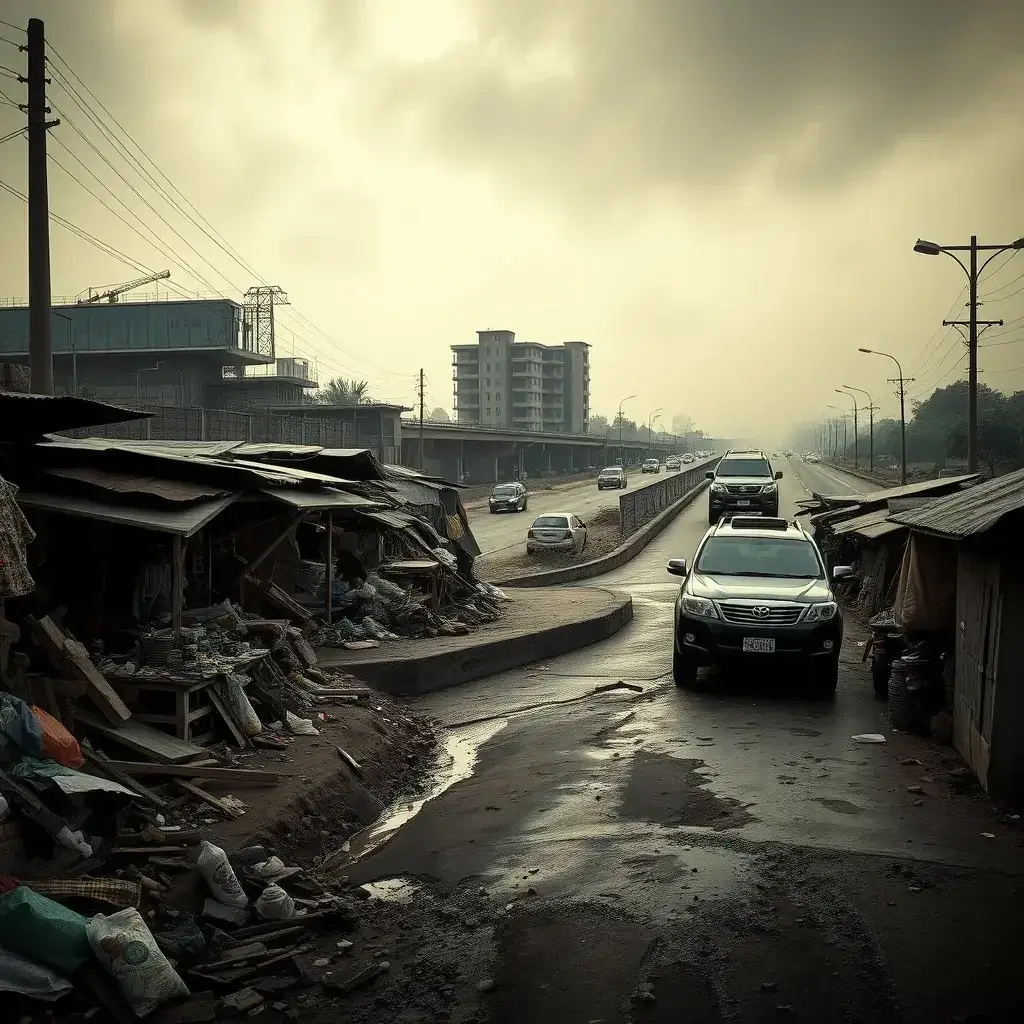
Ghana is facing a critical juncture, grappling with a confluence of deep-seated governance failures, widespread corruption, environmental degradation, and socioeconomic challenges that threaten its stability and future. The nation, once a beacon of hope in Africa, is now perceived by critics as being on a downward spiral due to what is described as a breakdown in leadership, management, and the social contract.
Widespread Governance and Corruption Issues
A significant concern highlighted is the pervasive nature of corruption, described as being “on steroids” and deeply embedded within the civil service, political appointments, and everyday interactions. This has led to a system where meritocracy is allegedly replaced by favoritism, tribalism, and partisanship. The article points to terms like “connection” and “protocol” as euphemisms for corrupt practices that have become normalized.
The breakdown of law and order is cited as a major factor enabling corruption to thrive unchecked. There is a perceived lack of will to prosecute and jail individuals involved in corrupt acts, contributing to a culture of impunity.
Environmental and Economic Pressures
The illegal mining phenomenon, known as “galamsey,” is identified as a critical environmental crisis. It is causing unprecedented destruction to Ghana’s rivers, lands, and forests, with devastating long-term consequences that outweigh any economic benefits derived from gold production. This has also contributed to making parts of the country ungovernable.
Climate change is exacerbating existing challenges, particularly in the northern regions, leading to desertification and extreme temperatures across the country. These are described as life-threatening conditions with no serious efforts to mitigate them.
Massive unemployment, coupled with widespread disguised unemployment, is another pressing issue. A significant portion of the working population is engaged in what is termed “pretend work,” often involving informal trading that inflates prices, fuels inflation, and contributes to poverty and squalor. This informal sector is also linked to unsanitary conditions and the degradation of urban environments.
Deteriorating Urban Infrastructure and Services
Ghana’s major cities, including the capital Accra, are depicted as rapidly deteriorating into slums. This is attributed to a lack of effective urban planning and maintenance. The article criticizes the government’s abdication of responsibility in maintaining roads and transportation infrastructure, leading to prolonged travel times and increased vehicle wear and tear.
The absence of functioning streetlights in major cities is noted as a significant security and quality-of-life issue, turning urban centers into “village ghettos” at night. Similarly, persistent flooding in urban areas during rainfall, causing loss of life and property, is seen as a symptom of leadership and management failures.
Unsanitary conditions, including uncollected trash and clogged drainage systems, are prevalent, creating health hazards and an unpleasant living environment. The maintenance of public parks and gardens has also reportedly ceased, contributing to a general sense of decay.
Education and Healthcare System Failures
The educational system is criticized for a decline in standards, with universities and high schools allegedly producing “vacuous graduates.” The free senior high school policy, while well-intentioned, is seen by some as poorly conceived and implemented, leading to overcrowding and a dilution of educational quality.
The healthcare system is described as having virtually collapsed, operating on a cash-and-carry basis that is inaccessible to many. There is a perceived lack of government commitment to improving existing facilities, potentially leading to premature deaths.
Law Enforcement and Judicial Concerns
The law enforcement system, including the police and the judiciary, is portrayed as being plagued by corruption and a lack of resources and proper training. The legal system is accused of failing to deliver timely justice, with cases frequently dragging on for years.
The structure of government ministries and agencies is also questioned, with claims that they operate in silos, hindering efficiency and accountability. Outdated policies and a lack of modern communication and reporting systems are said to create an environment ripe for corruption.
Civil Service and Societal Values
The civil service is seen as having lost the caliber of its predecessors, with a decline in professional competence and ethical standards following periods of political instability and brain drain. Institutions like GIMPA are criticized for deviating from their mandate to train skilled civil servants.
A fundamental breakdown in societal values is also lamented, with accusations of widespread lying and stealing becoming normalized. The absence of civic and adult education is cited as a contributing factor to this moral decay.
Looking Ahead: Calls for Reform
The article concludes with a stark call for profound and fundamental reforms across multiple sectors. These include establishing robust law and order with severe penalties for corruption, modernizing law enforcement with adequate resources and technology, and undertaking comprehensive constitutional and public sector reforms. Specific recommendations include reducing the number of constituencies and regions, and limiting the number of ministers. A wide array of reforms are deemed necessary, spanning the judiciary, education, healthcare, and governance structures, to prevent Ghana from descending further into crisis.










Leave a Reply