
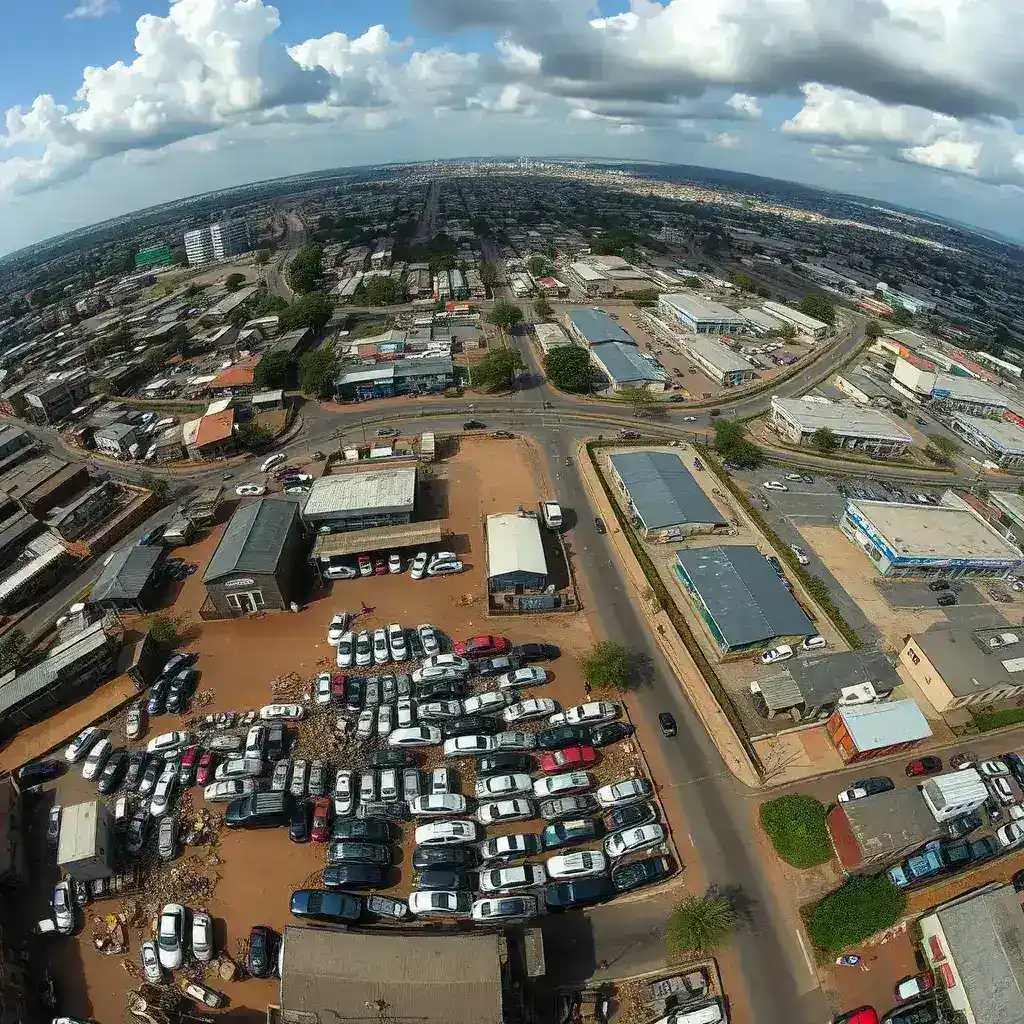
Nii Moi Thompson, Chairman of the National Development Planning Commission (NDPC), is calling on Metropolitan, Municipal, and District Assemblies (MMDAs) across Ghana to establish designated auto zones. This initiative aims to restore spatial planning discipline and address the growing problem of indiscriminate car sales that contribute to environmental degradation and hinder national development.
Context: Uncontrolled Development and Its Consequences
The proliferation of car dealerships in public and open spaces has become a significant concern. This uncontrolled spread has led to a visible lack of order in urban landscapes. It also exacerbates existing environmental challenges, directly impacting the quality of life for citizens.
A key consequence highlighted by Dr. Thompson is the paving over of natural land. This reduces the earth’s capacity to absorb water, worsening drainage issues and increasing the risk of flooding in affected areas. The NDPC chairman described this trend as a manifestation of lawlessness that undermines established planning regulations.
Addressing the Auto Zone Issue
Dr. Thompson emphasized that creating properly designated auto zones is crucial for bringing order to the haphazard placement of vehicle sales lots. Such zones would consolidate these businesses into specific areas, preventing their encroachment on public spaces and residential zones.
The benefits extend beyond mere aesthetics. By concentrating auto businesses, planners can better manage their environmental impact. This includes ensuring proper waste disposal and preventing the sealing of permeable surfaces, thereby mitigating flooding risks and promoting healthier urban environments.
Broader Planning Challenges and Solutions
The issue of auto zones is symptomatic of larger structural challenges within Ghana’s development planning framework. Dr. Thompson pointed out a significant disconnect between national development plans and the national budget. This misalignment often prevents effective implementation of strategic goals.
Furthermore, there exists a gap between spatial planning and sectoral planning. This means that plans for land use do not always align with development strategies in key sectors like agriculture, industry, and services. This lack of integration can lead to inefficient resource allocation and development conflicts.
To tackle these systemic issues, the NDPC has initiated engagements with the Land Use and Spatial Planning Authority. The goal is to bridge these planning gaps and create a more cohesive approach to national development. Efforts are underway to consolidate fragmented development plans into a unified national framework.
Expert Perspective and Data
Dr. Thompson’s concerns are underscored by the financial burden imposed by poor planning. He warned that the government is forced to divert scarce resources from critical sectors, such as education, to fund disaster response and relocation efforts. These are direct costs associated with inadequate spatial planning and environmental management.
The NDPC’s strategic regional engagements are designed to gather ground-level information and foster collaboration. This bottom-up approach aims to ensure that national development plans are practical and responsive to local realities. The ultimate aim is to align national development with global sustainable development goals.
Implications for the Nation and Its Citizens
The establishment of auto zones and the broader efforts to improve spatial planning have significant implications. For citizens, it means potentially safer communities with reduced flooding risks and better-managed urban spaces. It also implies a more efficient use of public funds, allowing for greater investment in essential services like education and healthcare.
For the industry, it signifies a move towards more regulated business environments. While potentially requiring adjustments for existing car dealerships, it promises a more sustainable and orderly sector in the long run. The success of these initiatives will depend on the commitment of MMDAs to enforce regulations and integrate planning efforts across sectors.
What to Watch Next
The focus will now be on the practical implementation of Dr. Thompson’s recommendations by MMDAs. Observers will watch for the creation of pilot auto zones and the effectiveness of the NDPC’s collaboration with the Land Use and Spatial Planning Authority. The ability to consolidate fragmented plans into a coherent national strategy, supported by aligned budgets, will be crucial for Ghana’s sustainable development trajectory.










Leave a Reply