
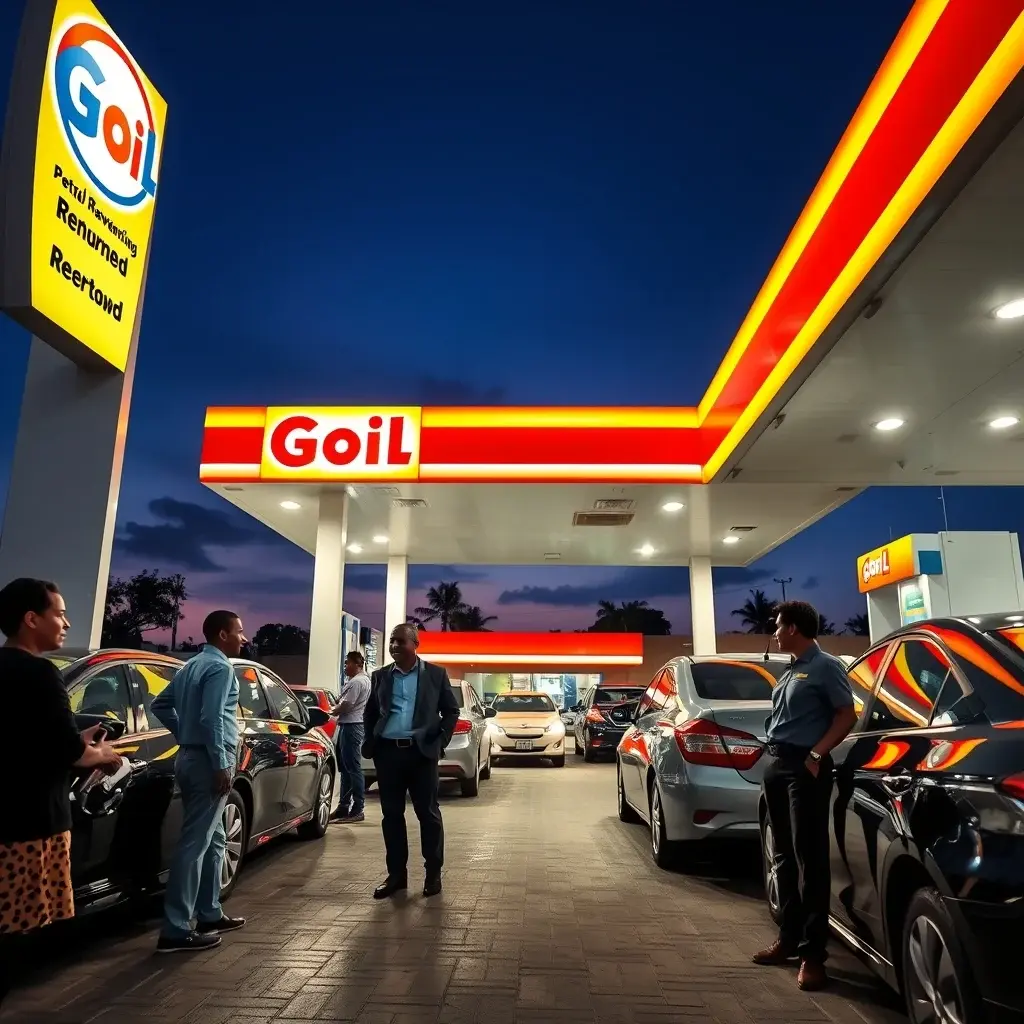
In the first quarter of 2026, Ghana Oil Company Limited (GOIL) decisively reclaimed its position as market leader in the petroleum retail sector, achieving a 12.23% market share. This significant turnaround follows a period of considerable strain where the company faced declining market share, operational inefficiencies, and weakened brand perception, prompting a strategic intervention led by its new leadership to restore its former prominence and public trust.
Context: A Brand Under Strain
For years, GOIL stood as a respected name in Ghana, its brand colors evoking confidence and its history resonating with a generation. However, beneath the surface of this familiar presence, the business was grappling with substantial challenges. Supplier indebtedness had disrupted supply lines, leading to inconsistent product availability at many outlets.
Furthermore, GOIL struggled to compete aggressively on pricing at the pump. This financial pressure was exacerbated by annual financing costs soaring to approximately GH¢130 million, diverting crucial funds away from essential growth initiatives, infrastructure upgrades, and operational modernization. The physical state of many service stations, the very face of the brand, had deteriorated, contributing to low staff morale and a general weakening of discipline across the organization.
Governance Gaps and Operational Weaknesses
Perhaps most concerning were the significant governance gaps. As a publicly listed company, GOIL lacked a comprehensive Audit Charter to bolster internal controls and a robust Procurement Manual to ensure transparency, consistency, and accountability in its purchasing decisions. These deficiencies created an environment ripe for inefficiency and potential malfeasance, threatening not only profitability but the company’s overall credibility.
The implication was stark: without decisive and immediate intervention, GOIL risked not only losing its market leadership but also eroding the trust that generations of Ghanaians had placed in its brand.
Leadership’s Decisive Intervention
Recognizing the critical juncture, the new leadership at GOIL opted for proactive measures over excuses. They understood that the company’s restoration would necessitate more than mere pronouncements; it demanded discipline, sacrifice, tough decisions, and an unwavering commitment to rebuilding the institution from its foundations.
Rebuilding from the Ground Up
The turnaround strategy began with a fundamental strengthening of governance. The Board and Management swiftly developed and approved a comprehensive Audit Charter and a Procurement Manual. These documents were not just administrative formalities; they represented a clear statement of intent to foster a new organizational culture centered on transparency, discipline, and institutional responsibility.
Financial restructuring was another critical pillar. To alleviate the liquidity pressures caused by significant debt exposure, management engaged with financial institutions and strategic partners. This refinancing effort eased the strain on operations, restored confidence among suppliers, and enabled GOIL to source products more competitively, transforming financing from a mere treasury function into a strategic recovery tool.
Restoring Commercial Viability and Brand Image
With improved liquidity and product sourcing strategies, GOIL began to regain its commercial footing. As product availability normalized and pricing became competitive, customer volumes started to increase, and confidence in the GOIL stations returned. The market began to feel the renewed presence of the brand.
Simultaneously, a cultural and human transformation was underway. Management collaborated with staff associations and unions to reorient employees towards discipline, teamwork, professionalism, and enhanced customer service. This fostered a renewed sense of purpose and pride among staff who had felt disconnected from the company’s mission.
The physical network also underwent significant renewal. In a major initiative, GOIL commenced the rehabilitation and modernization of its service stations, undertaking the first substantial wave of renovation works to restore not only the infrastructure but also the brand’s image and customer confidence.
Tangible Results and Future Outlook
The impact of these concerted efforts became evident in early 2026. By the first quarter, GOIL had not only surpassed its previous market share but had also achieved the highest monthly sales volume in its history in April 2026, selling over 108 million liters. This performance significantly outperformed competitors, with GOIL’s year-on-year growth of 35.8% in Q1 2026 far exceeding the overall market’s 16.6% growth.
This resurgence is attributed to honest leadership, robust governance reforms, financial discipline, commercial courage, and a dedicated workforce. While the journey of renewal is ongoing, GOIL has successfully repositioned itself as a disciplined national institution rebuilding trust and pride. The company is now focused on delivering ‘Good Energy’ to Ghana, signaling a strong return to form and a promising future built on renewed purpose and operational excellence.
What lies ahead for GOIL will be closely watched. The ability to sustain this momentum, continue network modernization, and adapt to evolving market dynamics will be key indicators of its long-term success. The company’s renewed discipline and focus on strategic execution suggest a trajectory of continued growth and market leadership.










Leave a Reply