

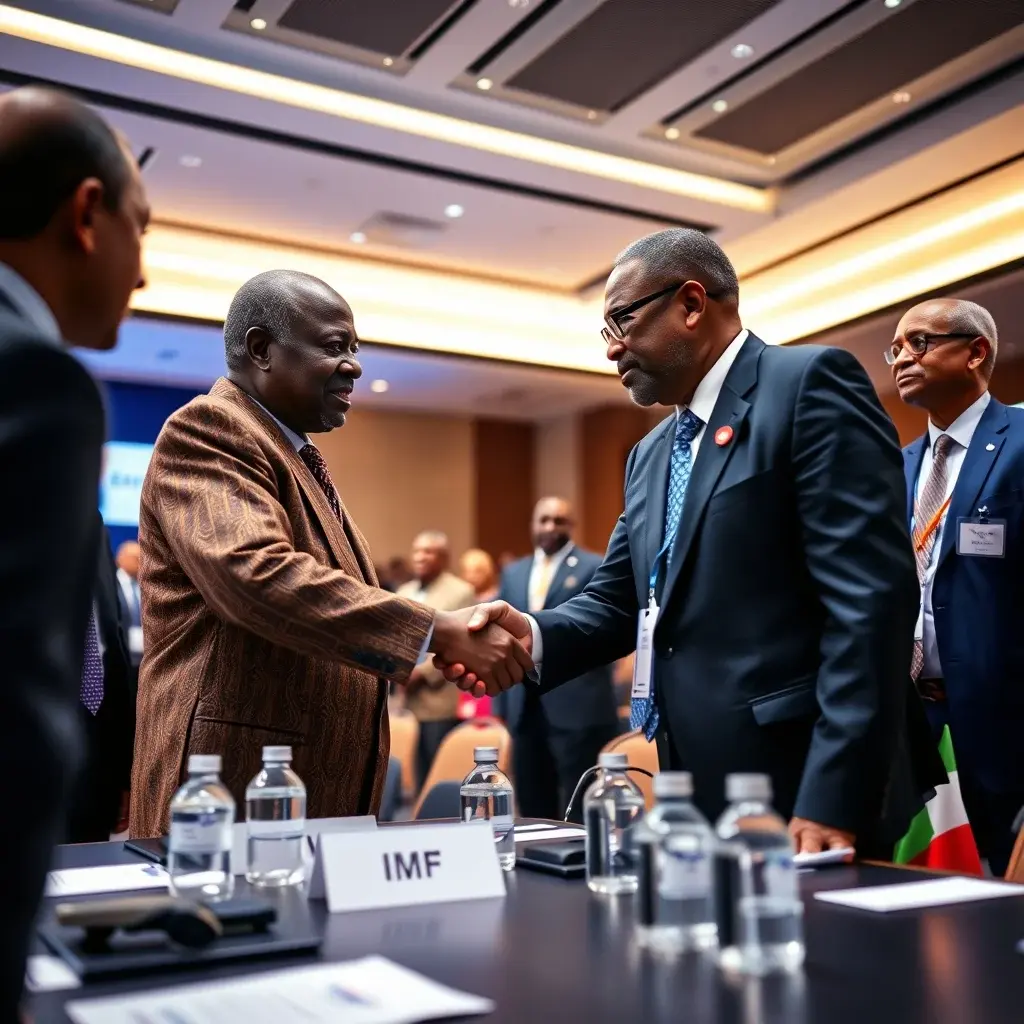
South Africa’s National Treasury announced on Wednesday that the country has secured a $150 million development policy loan from the OPEC Fund for International Development (OFID). This significant funding aims to bolster the government’s ongoing reform program, specifically targeting the alleviation of infrastructure bottlenecks in the crucial energy and freight transport sectors.
This agreement marks a historic first, representing the inaugural loan extended by the OPEC Fund to the South African government. The initiative is strategically aligned with the National Treasury’s broader financing strategy, which prioritizes diversifying funding sources and mitigating the escalation of debt servicing costs.
Addressing Critical Infrastructure Challenges
The allocated funds are earmarked to support South Africa’s ambitious reform agenda. A primary focus is on overcoming persistent infrastructure deficits that have hampered economic growth and efficiency. The energy sector, still grappling with the transition to more reliable and sustainable power sources, and the freight transport sector, vital for trade and logistics, are identified as key areas for improvement.
These infrastructure bottlenecks have long been cited as a major impediment to South Africa’s economic potential. Addressing them is seen as crucial for attracting investment, improving business competitiveness, and ultimately creating jobs.
Loan Terms and Financial Strategy
The development policy loan comes with a six-year maturity period, offering a substantial grace period of two years before repayments commence. The interest rate is set at six-month Secured Overnight Financing Rate (SOFR) plus a margin of 1.25%. This structure is designed to provide South Africa with financial flexibility while managing its debt obligations.
The National Treasury views this loan as a key component of its strategy to reduce reliance on traditional funding avenues. By diversifying its sources of development finance, the government aims to secure more favorable terms and ensure the sustainability of its infrastructure development plans.
OPEC Fund’s Role in Development
The OPEC Fund for International Development is an international development finance institution established in 1976. It provides financing to developing countries to support their economic and social development, with a focus on projects that promote growth, reduce poverty, and improve living standards.
OFID’s engagement with South Africa underscores its commitment to supporting developing nations in overcoming structural challenges. The fund typically supports projects in areas such as energy, transport, agriculture, water and sanitation, and social services.
Broader Economic Implications
The successful acquisition of this loan signals a positive step towards enhancing South Africa’s economic infrastructure. Improved energy reliability and more efficient freight transport systems are expected to have a ripple effect across various industries, boosting productivity and reducing operational costs for businesses.
For South African citizens, these infrastructure improvements could translate into more stable electricity supply, potentially lower transport costs for goods, and a more conducive environment for economic growth and job creation. The loan’s structure, with its grace period, also provides fiscal breathing room for the government as it implements its reform agenda.
What to Watch Next
Moving forward, the focus will be on the effective implementation of the reforms aimed at unlocking these infrastructure bottlenecks. Investors and industry stakeholders will be closely monitoring the progress in the energy and freight transport sectors. The success of these reforms, supported by the OFID loan, could pave the way for further development finance and a more robust South African economy.








Leave a Reply