
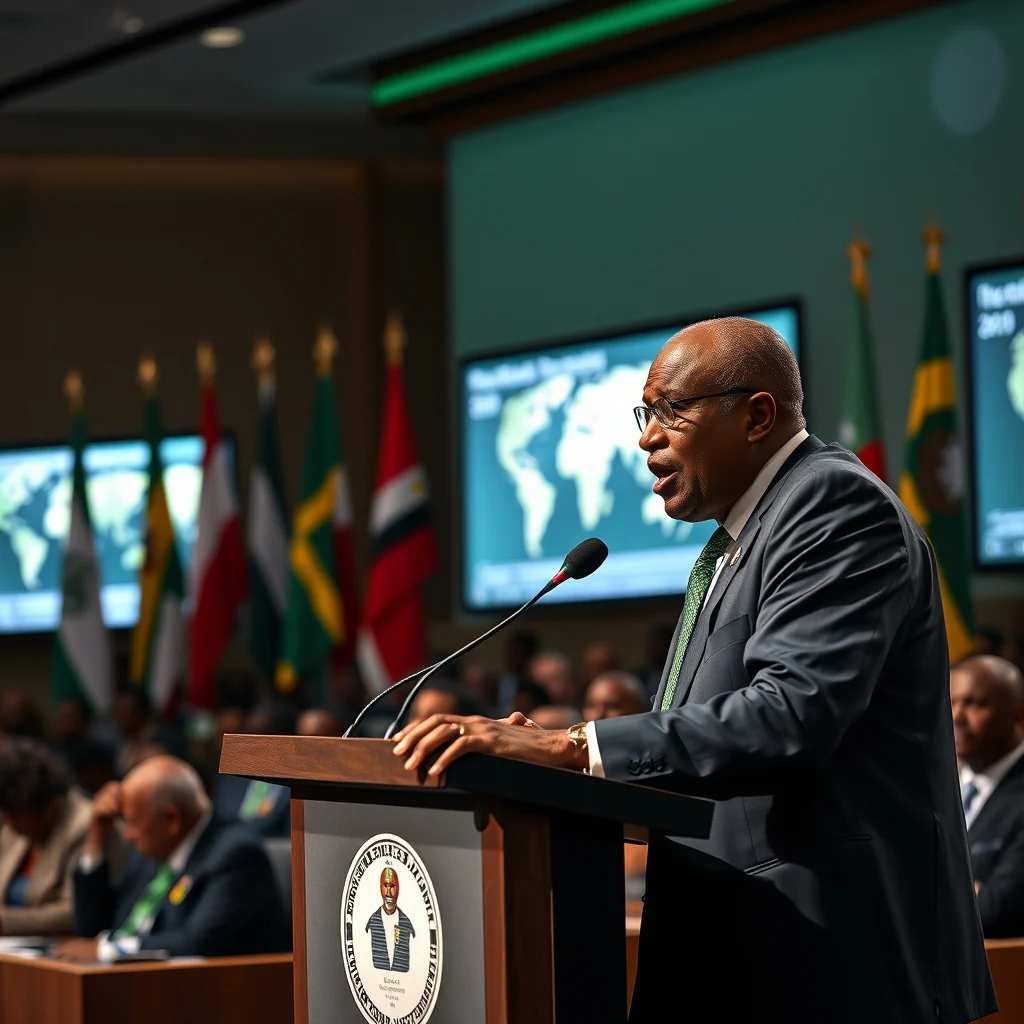
Nairobi, Kenya – Nigerian President Bola Tinubu on Tuesday called for a fundamental overhaul of the global financial system, arguing that punitive interest rates and limited access to long-term finance are crippling African economies by diverting essential funds away from development. Speaking at the Africa Forward Summit, Tinubu highlighted Nigeria’s dire debt servicing projections, stating the nation anticipates spending approximately $11.6 billion in 2026 to service its debt, a figure that would consume nearly half of its projected government revenue.
Mounting Debt Costs Hamper Development
The substantial debt servicing costs are directly impacting Nigeria’s ability to invest in critical sectors. Tinubu explained that every dollar spent on high interest rates is a dollar lost to vital areas such as the steel sector, textile mills, agro-processing, and digital industries. This diversion also translates to fewer resources for training engineers and providing affordable power for factories, essential components for industrial growth.
Data from Nigeria’s Debt Management Office shows the country spent $5.15 billion on debt servicing in 2025. This financial strain occurs even as the Tinubu administration implements significant economic reforms aimed at boosting revenue and stabilizing the economy.
Nigeria’s Reform Agenda Under Pressure
President Tinubu, now in his third year in office and preparing for a re-election bid in January 2027, has initiated sweeping reforms in Nigeria. These include the removal of costly fuel and energy subsidies, devaluation of the national currency, and a comprehensive overhaul of the tax system. The goal of these measures is to combat persistent inflation, foreign exchange shortages, and the impact of external economic shocks.
Tinubu asserted that these “painful, homegrown” reforms have begun to stabilize macroeconomic indicators and improve investor sentiment. However, he contended that the progress made is being undermined by a global financial architecture that disproportionately labels African nations as high-risk borrowers, thereby inflating borrowing costs.
Structural Disadvantage for African Economies
The Africa Forward Summit, co-hosted by Kenya and France, brought together leaders from over 30 countries to discuss Africa’s economic trajectory. Tinubu articulated that high borrowing costs and restricted access to patient, long-term capital create a structural disadvantage for African economies. This prevents them from fully capitalizing on their resources and potential.
He emphasized that Africa’s share in global manufacturing remains critically low, accounting for less than 2%. This underscores the need for greater support for industrialization and value addition to raw materials.
A Call for Fairer Financial Systems
Tinubu’s address was a direct plea for systemic change, advocating for reforms that include more affordable financing options and deeper economic integration that prioritizes Africa’s growth. He also called for robust measures to curb illicit financial flows and enhance support for industrialization initiatives across the continent.
“Nigeria is not asking for charity,” Tinubu stated emphatically. “We’re demanding a financial system that intentionally enables Africa to industrialize, to process its own minerals, refine its own crude oil, manufacture its own pharmaceuticals, and compete fairly in global markets.”
Expert Views and Future Outlook
Analysts, including those from the Nigerian Economic Summit Group, have consistently identified debt servicing as a significant vulnerability for Nigeria. The current situation underscores the broader challenges faced by many developing nations in accessing affordable capital for sustainable development.
The implications of Tinubu’s call extend beyond Nigeria, resonating with many African leaders and economists who argue for a more equitable global financial order. The focus now shifts to whether these calls for reform will translate into tangible changes in international financial institutions and lending practices, and how African nations can collectively advocate for a system that supports, rather than hinders, their development aspirations.










Leave a Reply