
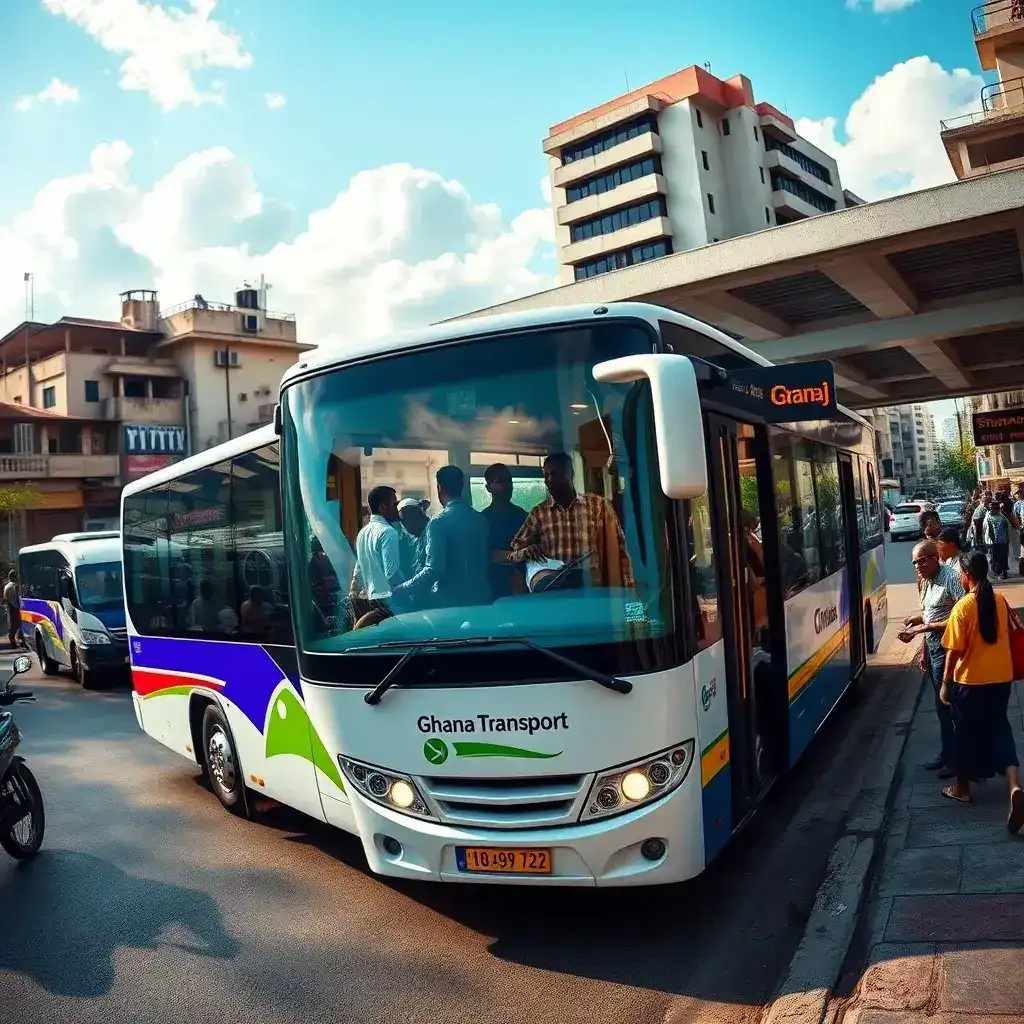
The Ministry of Transport is finalizing a strategic roadmap for the deployment of 100 newly acquired buses, aiming to significantly ease existing road transport challenges across Ghana. The first batch of 29-seater buses arrived on April 5, 2026, marking a critical step in the government’s commitment to improving commuter experiences nationwide.
Context of the Procurement
This delivery is the initial phase of a larger procurement plan, which includes a total of 300 buses. The government expects the second tranche of 100 buses in August, followed by a final 100 in November. This phased approach allows for systematic integration into the existing public transport network.
Addressing Overcrowding and Inefficiency
Ghana’s public transport system has historically grappled with persistent issues. Overcrowding on buses, a shortage of adequate vehicles, and severe traffic congestion in major urban centers like Accra and Tema have been ongoing concerns. These challenges directly impact the daily lives of commuters, increasing travel times and reducing overall mobility.
Previous administrations have attempted various interventions to enhance mass transit services. However, the demand from a growing urban population often outpaced supply, necessitating further investment and strategic planning.
Deployment Strategy and Key Routes
The newly procured buses are slated for deployment along some of the capital’s busiest corridors. Key routes identified for the initial phase include Accra–Madina–Adenta, Accra–Awoshie–Amasaman, Accra–Mallam–Kasoa, and Accra–Tema. These routes are known for high commuter traffic and often experience significant strain on existing transport services.
Authorities believe that strengthening public transportation along these critical arteries will not only improve mobility but also provide much-needed relief for thousands of daily commuters. The phased distribution is intended to support broader efforts aimed at enhancing urban transport efficiency throughout the country.
Expert Perspectives and Data
Industry analysts note that such investments are crucial for sustainable urban development. “Reliable and accessible public transportation is the backbone of a thriving city,” commented Dr. Ama Serwaa, an urban planning expert. “When commuters can rely on efficient transport, it boosts economic activity and reduces the environmental impact of individual car usage.”
Data from the Ghana Statistical Service indicates a steady increase in urban populations over the past decade, placing additional pressure on existing infrastructure. The introduction of new buses is seen as a positive step in bridging the gap between demand and supply.
Implications for Commuters and the Industry
For commuters, the deployment promises shorter waiting times and potentially more comfortable journeys. It could also lead to a reduction in the number of private vehicles on the road, potentially easing traffic congestion. This initiative signals a renewed focus on public infrastructure development by the Ministry of Transport.
The successful integration of these buses could pave the way for further fleet expansion and modernization of Ghana’s public transport sector. Stakeholders will be watching closely to see how effectively the Ministry manages the deployment and maintenance of these new assets to ensure long-term benefits for the travelling public.








Leave a Reply