
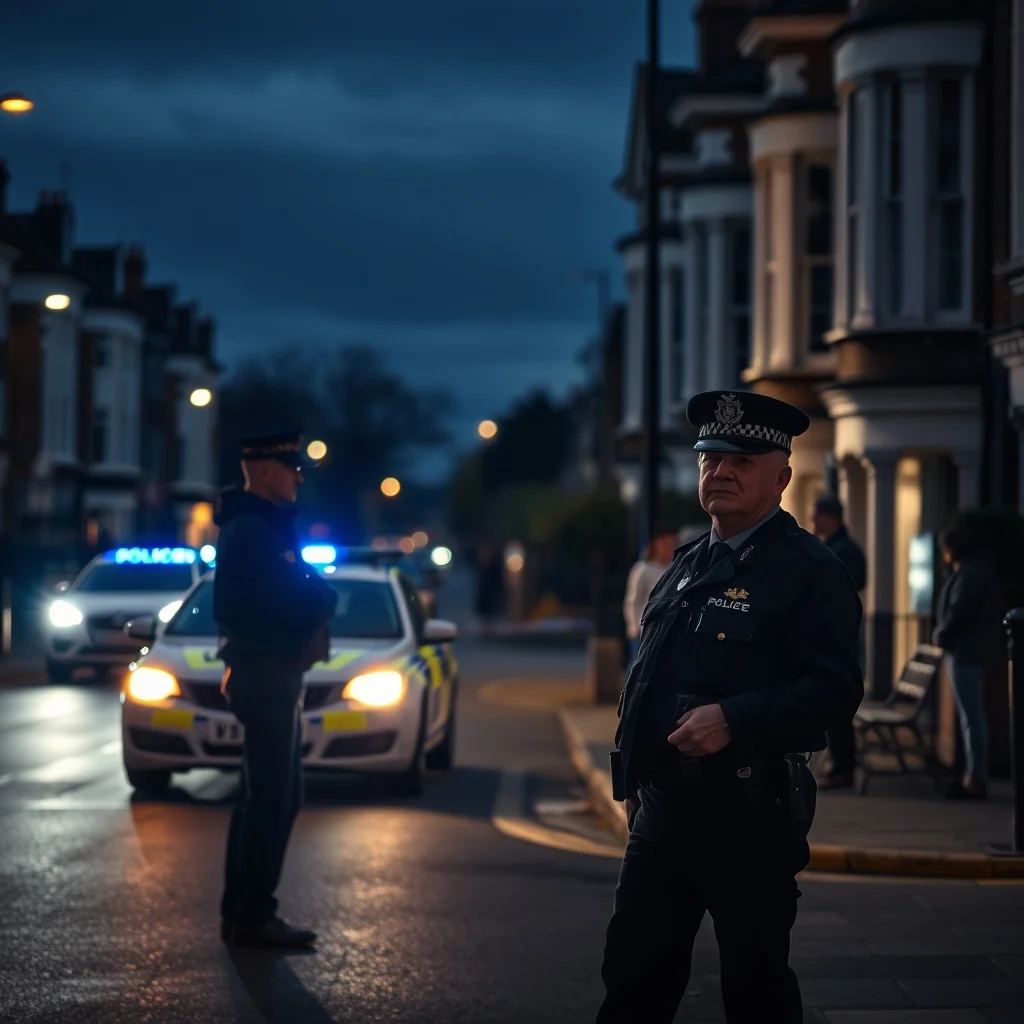
The United Kingdom’s national terrorism threat level has been elevated from ‘substantial’ to ‘severe’ by the government, indicating that a terrorist attack is now considered highly likely within the next six months. This decision follows a stabbing incident in Golders Green, north London, on Wednesday, which the Metropolitan Police are treating as a terrorist act. The Home Secretary stated that the increase is also driven by a rise in broader threats from both Islamist and extreme right-wing ideologies.
The current ‘severe’ threat level signifies that an attack is highly likely, a designation not seen since February 2022. Home Secretary Shabana Mahmood acknowledged the concern this will cause, particularly for the Jewish community, which has faced numerous attacks. She pledged the government’s commitment to eradicating antisemitism and highlighted an increase in funding for policing and security around Jewish sites.
Assistant Commissioner Laurence Taylor of the Met’s counter-terrorism unit noted that the UK has been experiencing a gradual increase in terrorist threats for some time. He stated that casework is rising across various ideologies, with a particular elevated threat towards Jewish and Israeli individuals and institutions. Taylor also pointed to an unpredictable global situation that has consequences closer to home, including physical threats from state-linked actors.
The suspect in the Golders Green attack, 45-year-old Essa Suleiman, has been arrested on suspicion of attempted murder. Police records indicate Suleiman was referred to the Prevent counter-terrorism program in 2020, though the case was closed later that year. Authorities are also investigating his potential involvement in a separate incident in south-east London the day prior.
This incident is the latest in a series of attacks targeting the UK’s Jewish community. In October of the previous year, two Jewish individuals were killed and three seriously injured in a car ramming and stabbing attack outside a synagogue in Manchester. Earlier this year, four Hatzola ambulances were set on fire in the car park of a synagogue in Golders Green, near the location of Wednesday’s stabbings. Other recent incidents include an attack on Finchley Reform Synagogue and a synagogue in Kenton where a bottle containing accelerant was thrown through a window.
The decision to raise the threat level was made by security and intelligence experts at the Joint Terrorism Analysis Centre (JTAC) and was independent of ministerial input. The UK was previously at a ‘severe’ threat level in November 2021, following a car bomb incident outside Liverpool Women’s Hospital and the murder of MP Sir David Amess. The threat level was subsequently lowered to ‘substantial’ in February 2022.
The UK’s five terror threat levels range from ‘Critical’ (attack highly likely in the near future) down to ‘Low’ (attack highly unlikely). Security Minister Dan Jarvis urged the public to remain alert and vigilant but not alarmed, assuring them that intelligence services, police, and the government are working diligently to ensure safety.
In response to the heightened threat, London Mayor Sir Sadiq Khan announced an increase in police presence across the capital, including armed officers, to reassure Londoners and visitors. The government also cited an increase in state-linked physical threats as a factor contributing to the decision, noting these threats encourage acts of violence, including against the Jewish community.
Met Police Commissioner Sir Mark Rowley highlighted a rise in racist and antisemitic hate crime, suggesting that some individuals are being encouraged or paid by foreign organizations and hostile states to commit acts of violence. While he could not comment on ongoing investigations, he acknowledged the broader context of state-sponsored threats.
Prime Minister Rishi Sunak acknowledged the significant anxiety within the community, stating that Wednesday’s attack exacerbated existing concerns. He announced an additional £25 million in funding to bolster police patrols and security measures around Jewish community sites, including synagogues, schools, and community centers.
Leader of the Opposition, Sir Keir Starmer, proposed new measures to combat antisemitism, such as stronger powers to shut down charities promoting hate speech and preventing hate preachers from entering the UK, alongside faster sentencing for antisemitic attacks. He also called for stronger powers to tackle threats posed by states like Iran.
Iran’s embassy in the UK has categorically rejected allegations of involvement in violent activities or incidents within the United Kingdom, labeling such accusations as baseless and politically motivated.
The raised threat level signifies an increased need for vigilance across the UK. Authorities are urging the public to report any suspicious activity to the police. The focus on state-linked threats and the specific targeting of the Jewish community suggest a complex and evolving security landscape. Future developments will likely involve increased security measures, potential legislative changes to counter extremism, and ongoing diplomatic responses to state-sponsored threats.










Leave a Reply